

Key Takeaways
-
Business-grade cloud CCTV systems store footage off-site in secure cloud servers instead of local DVRs, protecting evidence from theft, damage, or power failures and enabling remote access from any device.
-
Stable, business-grade internet connectivity is essential for cloud CCTV performance; poor bandwidth or network reliability causes lag, freezing, and footage loss, making it critical to audit your infrastructure before deployment.
-
Hybrid cloud systems let small businesses connect existing IP cameras to cloud platforms without full equipment replacement, modernizing security while protecting previous investments.
-
Multi-site centralized management dashboards allow franchise operators and IT managers to view and control all location cameras from one screen, standardizing security and accelerating onboarding of new sites.
-
Cloud CCTV systems integrate with access control, VoIP, and alarm systems to create a comprehensive security ecosystem; assess bandwidth requirements, storage retention limits, and access controls before implementation to avoid costly mistakes.
-
Subscription-based cloud storage scales with business growth, offering 30-90 day retention flexibility and predictable costs compared to traditional hardware purchases, appealing to IT managers managing multiple locations.
Picture this: you’re on vacation, phone in hand, and you get a notification that someone just walked into your warehouse after hours. You tap your screen, pull up live video, and see it’s just your night manager grabbing paperwork. Crisis averted, and you didn’t even have to call anyone. That’s the magic of a good cloud CCTV system, and honestly, it’s one of the coolest upgrades a business can make in 2026.
If you’re a small business owner in Tampa, an IT manager juggling multiple offices, or a franchise operator with locations scattered across the state, you already know that old-school security cameras just don’t cut it anymore. Business grade cloud CCTV systems are changing the game by moving video storage and management off-site, into secure cloud servers you can access from anywhere. No more digging through clunky DVR menus in a back closet. No more losing footage because someone tripped over the hardware.
In this friendly guide, we’ll walk through four types of business grade cloud CCTV systems that are actually worth your time and money this year. We’ll also cover what makes them tick, what to watch for, and how they connect to your bigger telecom picture. Grab a coffee, and let’s dig in together.
What Makes a Cloud CCTV System Business Grade
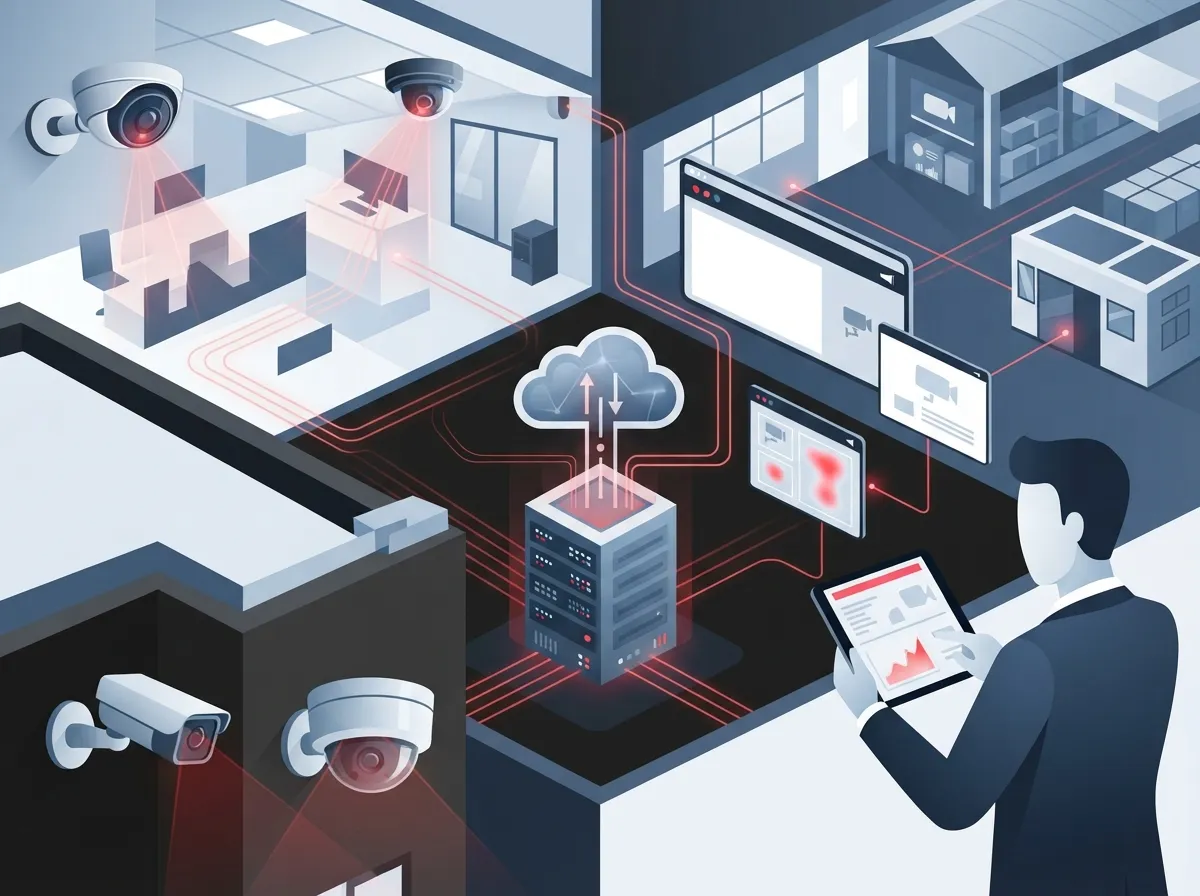
Not every cloud camera is built for business use. A business grade cloud CCTV system is designed to handle multiple users, multiple locations, and serious uptime expectations. It’s the difference between a doorbell camera and a full surveillance network built to protect your people, property, and profits.
These systems typically pair IP cameras with cloud storage and management software. Instead of leaning on a local DVR or NVR box that can be stolen, damaged, or fried in a power surge, your footage lives safely off-site. That’s a huge win if you’ve ever worried about a break-in wiping out your only copy of evidence.
- Remote access from any browser or mobile device
- Centralized management across multiple sites
- Scalable storage that grows with your business
- Reduced dependence on local hardware
- Built-in resilience against theft, fire, or equipment failure
These features matter most for mid-sized enterprises and franchise operators managing several locations at once. You don’t want to drive to each site just to check a camera feed. With cloud CCTV, you don’t have to.
4 Business-Grade Cloud CCTV Systems That Deliver Real Value
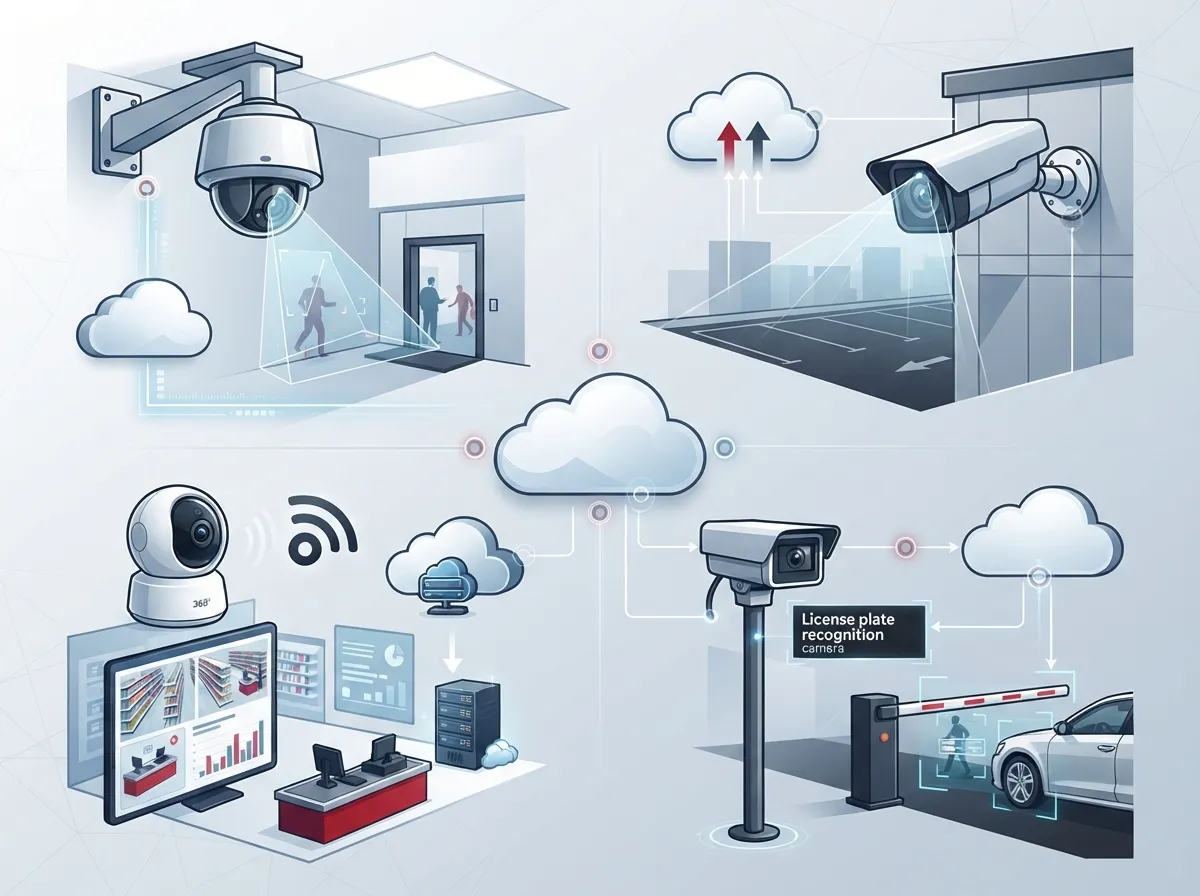
Let’s get into the good stuff. Here are four categories of business grade cloud CCTV systems that consistently prove their worth for companies of all sizes. We’re keeping this general and educational, so you can match the right type to your business needs without getting locked into one brand too early.
1. Fully Web-Based Enterprise Platforms
These systems are 100% cloud-managed, meaning there’s no local server to maintain at all. You log in through a web browser, and everything from live viewing to playback happens right there. No port forwarding, no confusing network settings, just plug in your camera and go.
This type of system shines for mid-sized enterprises that need unlimited viewers across multiple locations. Your regional manager in Orlando and your ownership team in Tampa can both check the same camera feed without stepping on each other’s toes.
2. Hybrid Systems That Reuse Existing Cameras
Worried about ripping out all your old equipment? Good news. Many cloud CCTV providers let you connect existing IP cameras to their cloud platform. This means you get the benefits of cloud storage and remote access without a full teardown of your current setup.
This option is a favorite among small business owners who already invested in cameras but want the added security and convenience of the cloud. It’s a smart way to modernize without blowing your budget.
3. Multi-Site Centralized Management Platforms
If you run a franchise or manage several branch offices, this is your best friend. These platforms let you view and manage cameras from every location in one single dashboard. Instead of logging into five different systems, you check one screen and see everything.
Franchise operators especially appreciate this because it standardizes security across every location, no matter how far apart they are. It also makes onboarding new sites much faster since the setup process is largely repeatable.
4. Scalable Cloud Storage Solutions With Flexible Retention
Storage needs change as your business grows. The best business grade cloud CCTV systems let you scale up storage capacity without buying new hardware or licenses. Most cloud platforms keep footage for 30 to 90 days depending on your plan, giving you plenty of time to review incidents.
This flexibility appeals to IT managers who need predictable, subscription-based costs instead of surprise hardware expenses. It also plays nicely with a Video Surveillance as a Service (VSaaS) model, which is quickly becoming the standard for 2026 business security.
Comparing the Four System Types at a Glance
| System Type | Best For | Key Advantage | Storage Approach |
|---|---|---|---|
| Fully Web-Based Platform | Mid-sized enterprises, multi-user access | No port forwarding, plug-and-play setup | Cloud-only, scalable |
| Hybrid System | Small businesses with existing cameras | Reuses current hardware | Cloud with local backup option |
| Multi-Site Management | Franchise operators | Single dashboard for all locations | Centralized cloud storage |
| Scalable Storage Solution | IT managers, growing companies | Flexible retention periods | Subscription-based cloud tiers |
Why Business Telecom Infrastructure Matters for Cloud CCTV
Here’s something people often overlook: cloud CCTV is only as good as the network behind it. If your internet connection drops or your bandwidth is shaky, your cameras can’t stream or upload footage reliably. That’s why cloud video security depends heavily on stable, business-grade connectivity.
Think of it like this. Your cameras are the eyes, but your internet connection is the nervous system carrying that information back to the cloud. Without strong dedicated fiber internet, even the best camera system will lag, freeze, or drop footage at the worst possible moment.
Office managers and IT teams should also think about network setup and structured wiring. Poor structured cabling can create bottlenecks that slow down camera performance across a building. If you’re building out a new office or upgrading an old one, it pays to plan your cabling and networking with cloud CCTV in mind from the start.
Steps to Prepare Your Network for Cloud CCTV
- Assess your current internet speed and reliability
- Check if your structured cabling supports IP camera traffic
- Confirm your router and switches can handle additional bandwidth
- Set up dedicated VLANs for camera traffic if possible
- Test upload speeds during peak business hours
- Plan for redundancy in case of an outage
Working with an experienced Internet Service Provider and telecom partner makes this process much smoother. That’s where a company like Ideal Solutions Provider comes in, helping businesses audit their current setup and find the right connectivity for reliable cloud video performance.
Key Benefits Business Owners Actually Care About
Let’s talk benefits in plain language, because at the end of the day, that’s what matters most to you.
- Peace of mind knowing footage is safe even if equipment is stolen or damaged
- Ability to check on your business from your phone, anywhere, anytime
- Lower upfront costs since it’s subscription-based instead of a big hardware purchase
- Easy expansion when you open new locations or add more cameras
- Better team accountability since managers can review footage remotely
- Reduced maintenance headaches since there’s no local server to babysit
Office managers love this because it takes one more thing off their plate. IT managers love it because it standardizes security across the whole company. And business owners love it because it just plain works, without a ton of hassle.
Common Mistakes to Avoid When Choosing a System
Not every cloud CCTV rollout goes smoothly. Here are mistakes we see businesses make time and again, so you can steer clear of them.
- Choosing a system without checking network bandwidth requirements first
- Ignoring storage retention limits, then losing footage they actually needed
- Skipping a security review of who has access to the cloud dashboard
- Not planning for future growth or additional locations
- Overlooking integration with existing access control or alarm systems
Taking time upfront to plan properly saves a ton of frustration later. It’s kind of like measuring twice before you cut. A little extra care now means fewer headaches down the road.
How Cloud CCTV Fits Into Your Bigger Security Picture
Cloud CCTV rarely works alone. It usually pairs nicely with other tools like cloud-based access control, VoIP phone systems, and managed network services. Together, these create a connected, modern business environment that’s easier to manage and much safer overall.
For example, many businesses combine cloud video security with cloud-based access control systems so they can see exactly who entered a building and when. Pairing these two systems gives you a much fuller picture of what’s happening at each location.
Reliable internet and networking also tie everything together. If you haven’t looked into business network solutions lately, now’s a great time to review your setup alongside your camera upgrade. It’s much easier to build these systems together than to patch things one at a time.
A Quick Word on Security and Privacy
We know data security is on everyone’s mind these days, and rightfully so. Business grade cloud CCTV platforms typically use encrypted connections and role-based access controls to protect your footage. This means only authorized team members can view or download specific camera feeds.
It’s smart to ask any provider about their encryption standards, backup protocols, and who technically owns the footage once it’s uploaded. A trustworthy provider will answer these questions clearly and without hesitation. If they dodge the question, that’s a red flag worth noting.
Ready to Upgrade Your Business Security
Business grade cloud CCTV systems aren’t just a nice-to-have anymore. They’re quickly becoming a must-have for companies serious about protecting their people, property, and peace of mind in 2026. Whether you’re a small shop in Tampa or a franchise with locations across the country, there’s a cloud CCTV setup that fits your needs and your budget.
The best part is you don’t have to figure this out alone. Ideal Solutions Provider has spent over 24 years helping businesses like yours build smarter, more connected systems, from internet and networking to cloud video security. We compare options across 35+ vetted suppliers so you get a setup built for your actual needs, not a one-size-fits-all sales pitch.
If you’re ready to see how a business grade cloud CCTV system could work for your company, why not reach out to our team today for a friendly, no-pressure consultation? Or if you’d rather talk it through right now, feel free to give us a call and we’ll walk you through your options together. You can also check out our latest projects and tips on Facebook, Instagram, and YouTube for more helpful insights along the way.
FAQs
Q: What is a business-grade cloud CCTV system?
A: It’s a video surveillance setup that stores and manages footage in secure cloud servers instead of relying only on local DVR or NVR boxes. This gives businesses remote access, centralized control, and extra protection if hardware gets damaged or stolen.
Q: Can I connect my existing cameras to a cloud CCTV system?
A: In many cases, yes! Plenty of cloud CCTV providers support existing IP cameras, so you don’t have to rip everything out and start over. It’s a friendly, budget-conscious way to modernize your security setup.
Q: How long is footage stored in a cloud CCTV system?
A: Most business plans keep footage for 30 to 90 days, depending on your storage plan and needs. If you need longer retention, many providers offer flexible upgrades to fit your business.
Q: What internet setup do I need for cloud CCTV to work well?
A: You’ll want stable, reliable business internet with enough bandwidth to handle continuous video uploads. Working with a trusted telecom partner can help make sure your network is ready before you install anything.
Q: Is cloud CCTV footage secure for business use?
A: Yes, most business-grade platforms use encryption and role-based access so only authorized team members can view footage. It’s always smart to ask your provider about their specific security practices before signing up.