Key Takeaways
-
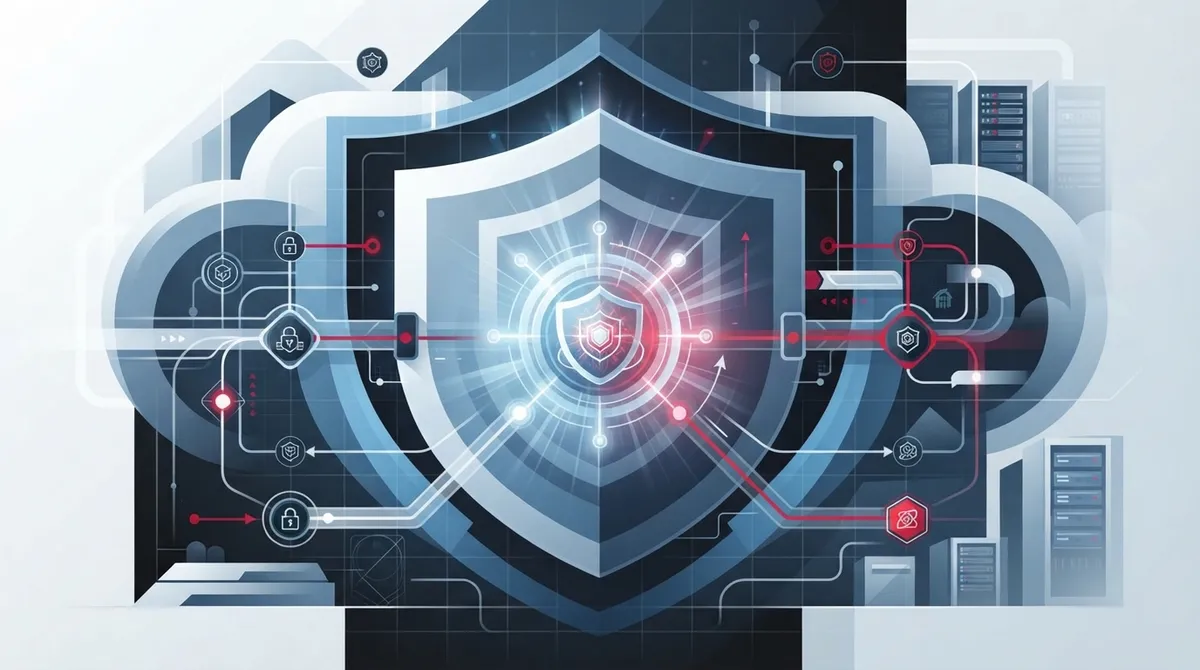
Zero trust architecture requires verifying every access request based on identity, device health, and risk level rather than trusting users inside the network; CISA mandates this approach for government cloud security.
-
FedRAMP certification is often required for government cloud providers, with Revision 5 certifications ending June 11, 2027, and new Consolidated Rules taking effect July 4, 2026.
-
Cloud access control systems must integrate with existing government identity systems like PIV cards and agency directories using standards such as SAML, OAuth, and OpenID Connect to avoid operational disruption.
-
Comprehensive monitoring and logging of authentication events, authorization decisions, administrative actions, and network flows is essential for audits, incident response, and federal compliance requirements.
-
Seven core tenets guide effective systems: identity verification, device security checks, network segmentation, application access controls, data protection, visibility/analytics, and automation governance.
-
Common deployment mistakes include skipping risk assessments, failing to integrate existing identity systems, neglecting network segmentation, and choosing providers without clear compliance documentation.
Government agencies face a tough job. They must protect buildings, data, and people while still staying open and easy to work with. That’s where cloud access control government solutions come in. These systems help agencies control who gets into buildings, who can log into networks, and who can view sensitive information, all from one dashboard.
If you manage IT, security, or operations for a government office, you know the stakes are high. One weak link can lead to a data breach or a security incident. The good news? Modern cloud access control tools make it easier to lock down your facilities and systems without slowing down your team. In this guide, we’ll walk through what cloud access control means for government agencies, why zero trust matters, and how to build a system that actually works. We’ll also share simple steps you can follow to get started today.
What Is Cloud Access Control for Government Agencies?
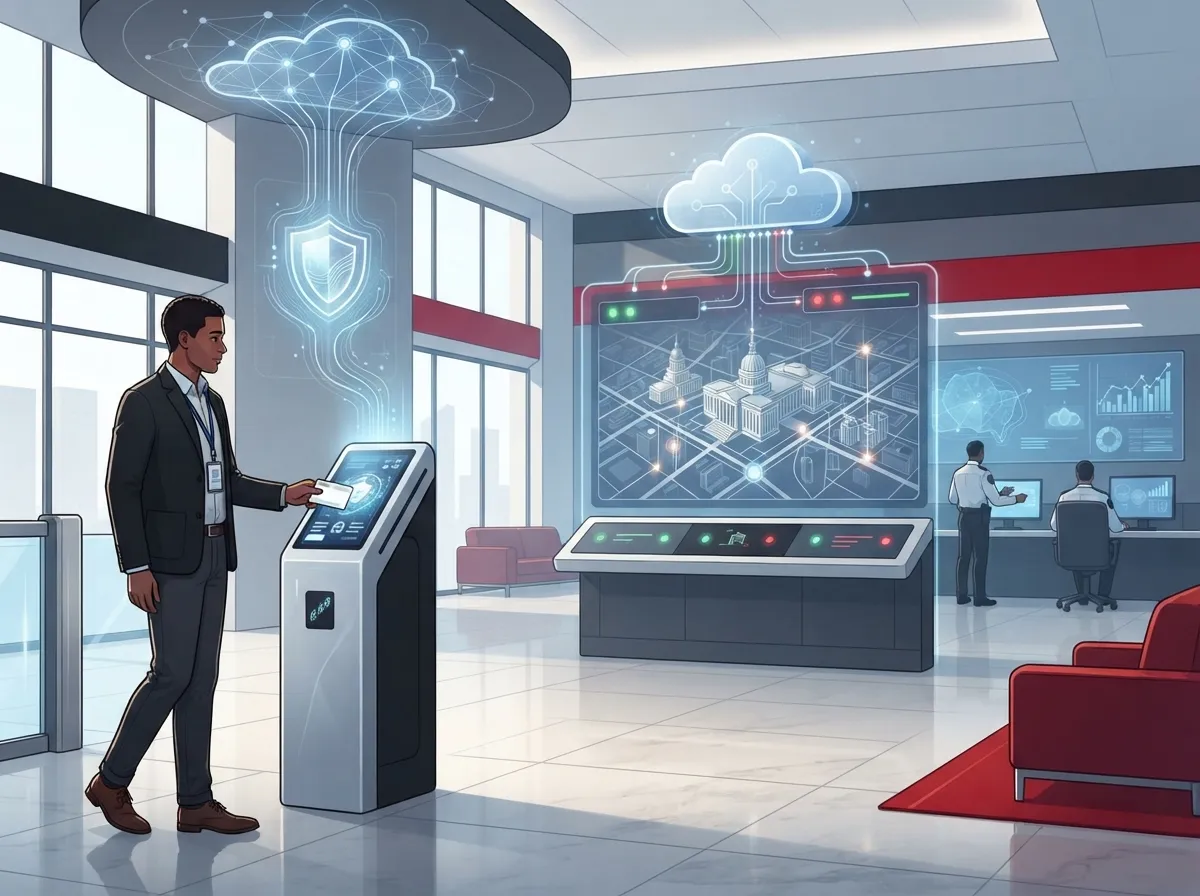
Cloud access control for government means using cloud-based tools to manage who can enter buildings, log into networks, or view certain data. It combines physical security, like doors and badges, with digital security, like passwords and permissions.
For telecom and IT providers, this means bringing together several pieces into one smooth system. Think of it as connecting your phones, internet, network, and security cameras so they all work together under one set of rules.
Here’s what a strong cloud access control government setup typically includes:
- Identity and access management for employees, contractors, and visitors
- Secure connectivity across offices, remote workers, and cloud services
- Endpoint security for laptops, phones, and other devices
- Real-time monitoring and alerts for unusual activity
- Compliance documentation to meet federal and agency rules
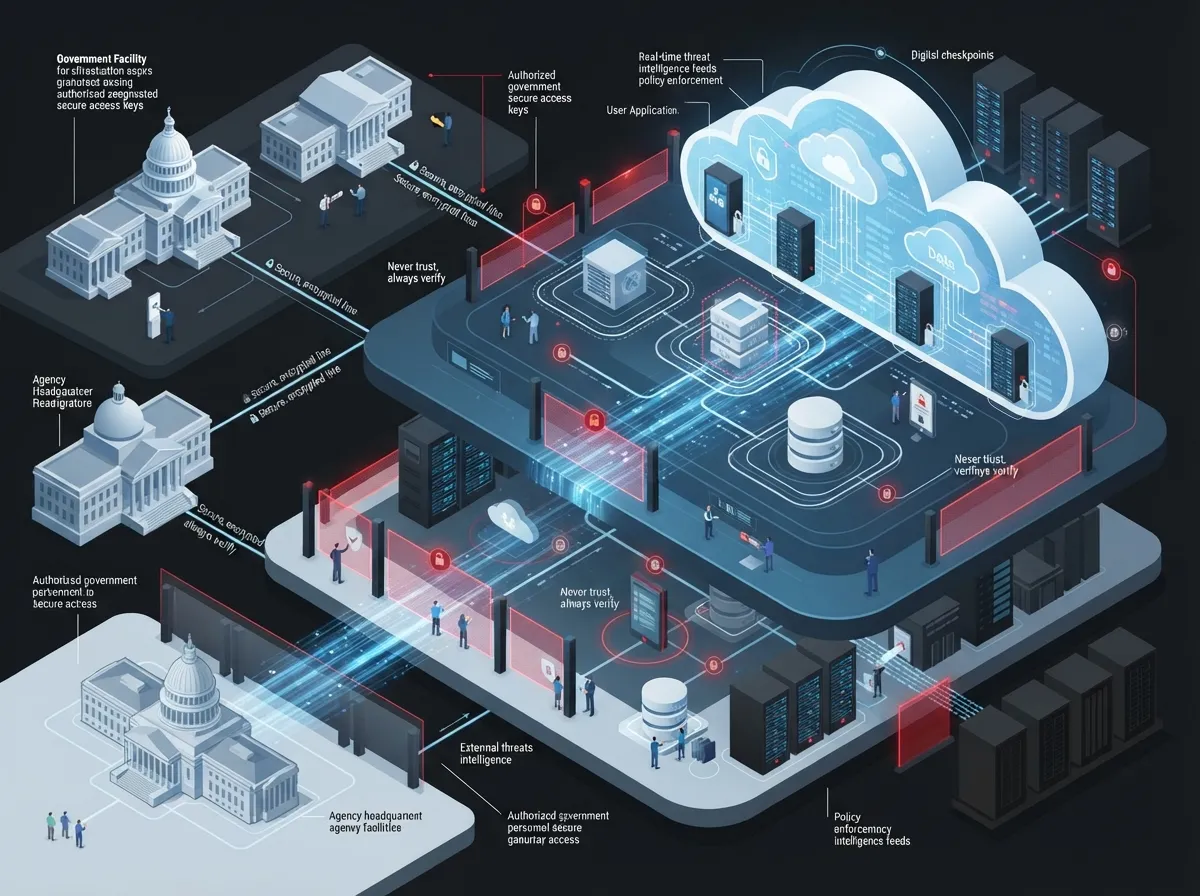
Why Zero Trust Matters for Government Cloud Security
You may have heard the term “zero trust” thrown around a lot lately. It’s not just a buzzword. The Cybersecurity and Infrastructure Security Agency (CISA) pushes zero trust as the standard for government cloud security. Zero trust means you never automatically trust anyone or anything, even if they’re already inside your network.
Instead, every request for access gets checked. Every time. This approach treats your network as if it could already be compromised. That might sound extreme, but it’s a smart way to think in 2026, when cyber threats keep getting more creative.
The Five Pillars of Zero Trust
CISA’s Zero Trust Maturity Model Version 2.0 breaks this down into five main areas. Agencies and their telecom partners should focus on all five to build a complete system.
- Identity: Verify who is asking for access using strong authentication methods
- Devices: Check the health and security of every device before granting access
- Networks: Segment networks so a breach in one area doesn’t spread everywhere
- Applications and Workloads: Control access to software and cloud-based tools
- Data: Protect sensitive information with encryption and strict permissions
Three more pieces support all five pillars: visibility and analytics, automation, and governance. Together, these seven core tenets guide how agencies should build their access control systems, according to CISA and NIST SP 800-207 guidance.
Authentication vs. Authorization: Know the Difference
These two words get mixed up a lot, but they mean different things. Understanding the difference helps you build a smarter access control system.
| Term | What It Means | Example |
|---|---|---|
| Authentication | Verifying who is requesting access | Logging in with a password and a fingerprint scan |
| Authorization | Deciding what that person can access | Allowing an employee into the accounting system but not HR files |
Good cloud access control checks both. It doesn’t stop at knowing who you are. It also looks at what device you’re using, where you are, and how risky the situation seems before giving you access.
Key Security Requirements for Government Telecom Services
If your agency works with a telecom provider, there are some must-have features to look for. These aren’t nice extras. They’re the baseline for keeping government systems safe.
- Phishing-resistant multifactor authentication (MFA) for all users
- Single sign-on (SSO) to simplify secure logins across systems
- Privileged access management for administrators and IT staff
- Automatic account setup and shutdown when employees join or leave
- Conditional access based on device health and location
- Encrypted voice and video communications
- Network segmentation to isolate sensitive systems
These features protect not just your building doors, but also your phone systems, internet connections, and cloud-based tools. A well-designed cloud access control system for business telecom ties all of this together into one manageable platform.
Does a Government Cloud Provider Need FedRAMP Certification?
This is one of the most common questions we hear. The short answer is: often, yes. FedRAMP (Federal Risk and Authorization Management Program) sets security standards for cloud services used by federal agencies.
Here’s what you need to know about FedRAMP in 2026:
- New FedRAMP Revision 5 certifications will stop being accepted after June 11, 2027
- Existing Revision 5 certifications should remain valid until at least December 31, 2028
- New FedRAMP Consolidated Rules are set to take effect July 4, 2026
- Broader enforcement of these rules is expected after January 1, 2027
These dates can shift, so it’s smart to check with FedRAMP directly or work with a knowledgeable telecom partner who tracks these changes for you.
How Identity Systems Work with Government Cloud Access
Government agencies often already have identity systems in place, like agency directories or PIV (Personal Identity Verification) cards. A good cloud access control system should work with what you already have, not force you to start over.
Look for compatibility with these common standards:
- SAML (Security Assertion Markup Language)
- OAuth for secure authorization
- OpenID Connect for identity verification
- PIV card integration where applicable
- Federation protocols that connect multiple identity systems
This kind of compatibility means less hassle for your IT team and a smoother experience for employees and contractors.
Steps to Roll Out Cloud Access Control in Your Agency
Building a strong cloud access control system doesn’t happen overnight. Here’s a practical roadmap that works for most government offices, whether you’re a small local department or a large federal agency.
- Inventory your assets and identities: List every device, user, and system that needs access control
- Classify your data: Figure out what’s sensitive and what needs extra protection
- Run a risk assessment: Identify gaps in your current setup
- Connect to existing identity systems: Integrate with agency directories and credentials
- Deploy MFA and SSO: Roll out strong login methods across your organization
- Design network segmentation: Separate sensitive systems from general network traffic
- Run a pilot test: Try the system with a small group before a full rollout
- Set up centralized monitoring: Track access events and flag anything unusual
- Review and improve regularly: Keep checking your system against new requirements
This step-by-step approach reduces risk and helps your team adjust gradually instead of facing a sudden, overwhelming change.
Monitoring and Auditing: Why Logs Matter So Much
Government environments need solid record-keeping. Every access decision, every login, and every configuration change should get logged and stored properly.
Here’s what a strong monitoring setup should track:
- Authentication events (who logged in and when)
- Authorization decisions (what they were allowed to access)
- Administrative actions (changes made by IT staff)
- Network flows (data moving across your systems)
- Security alerts (anything that looks suspicious)
These records support audits, help with incident response, and often satisfy retention requirements set by federal or state rules. NIST SP 800-210, published in 2020, offers detailed guidance on access control for cloud systems, including how to structure this kind of monitoring.
Comparing Traditional vs. Zero Trust Access Control
| Feature | Traditional Access Control | Zero Trust Cloud Access Control |
|---|---|---|
| Trust Model | Trusts users once inside the network | Verifies every request, every time |
| Access Decisions | Based mainly on network location | Based on identity, device, and risk level |
| Monitoring | Limited or periodic checks | Continuous, real-time monitoring |
| Flexibility | Harder to support remote workers | Built for remote and hybrid teams |
| Compliance Fit | Often outdated for current federal guidance | Aligned with CISA’s Zero Trust Maturity Model |
As you can see, zero trust isn’t just a trend. It’s a smarter, more flexible way to protect government systems, especially as more agencies support remote and hybrid work.
Securing Remote and Mobile Government Workers
Many government employees now work from home, from the field, or across multiple offices. This makes secure remote access more important than ever.
A solid approach includes:
- Secure internet access with strong encryption
- Software-defined wide-area networking (SD-WAN solutions) to connect offices safely
- Encrypted voice and video calls for sensitive conversations
- Virtual private connectivity for remote logins
- Device posture checks before granting network access
These tools work together to make sure remote workers stay just as protected as people in the office. If your agency is exploring options, a trusted VoIP solutions provider can help design a system that fits your specific needs.
Why Work with a Telecom Partner for Government Cloud Access
Building all of this in-house can feel overwhelming. That’s why many agencies choose to work with a telecom and IT partner who understands both the technical side and the compliance side of government work.
At Ideal Solutions Provider, we’ve spent over 24 years helping organizations, including government clients, simplify their telecom and security setups. We work with more than 35 vetted suppliers to compare options and find what actually fits your agency’s needs, not just what’s easiest to sell. From cloud-based access control to cloud video security and business network solutions, we act as your single point of contact so you don’t have to juggle multiple vendors.
We also handle the details that make compliance easier, like documenting authorization boundaries and service-level responsibilities. This matters a lot for agencies working toward FedRAMP requirements or CISA’s zero-trust goals.
Common Mistakes to Avoid
Even well-meaning agencies stumble when rolling out cloud access control. Watch out for these common pitfalls:
- Skipping the risk assessment step and jumping straight to deployment
- Failing to integrate with existing identity systems, creating extra work for staff
- Ignoring network segmentation, which leaves sensitive systems exposed
- Not setting up proper logging, making audits and incident response harder
- Choosing a provider without clear FedRAMP or compliance documentation
Avoiding these mistakes early saves time, money, and headaches down the road. A good telecom expert who gets results can help you sidestep these issues from the start.
Bringing It All Together
Cloud access control government solutions aren’t just about locking doors or setting passwords. They’re about creating a connected, secure system that covers your buildings, your networks, your phones, and your data all at once. When done right, this approach follows zero-trust principles, meets federal guidance like NIST SP 800-210, and keeps your agency ready for FedRAMP requirements.
Whether you’re just starting to explore cloud access control providers or looking to upgrade an existing system, the goal is the same: protect your people, your data, and your mission without slowing down your work. You can also learn more about how structured cabling supports these systems behind the scenes, connecting cameras, access points, and network devices reliably.
Ready to see how a smarter, more secure system could work for your agency? Get in touch with our team for a free consultation, or give us a call to talk through your specific needs today. We’re here to help you build a system that keeps your agency protected and your team confident.
You can also follow us on Facebook, check out our latest updates on Instagram, or watch helpful videos on our YouTube channel to learn more about how we support businesses and government agencies with their telecom and security needs.
FAQs
Q: What is cloud access control for government agencies?
A: It’s a combination of tools that manage who can enter buildings, log into networks, and access sensitive data, all through cloud-based systems. Think of it as your identity checks, door access, and network security all working together under one roof. It’s a smart way to keep your agency safe without adding a ton of extra steps for your team.
Q: How does zero trust apply to government cloud access control?
A: Zero trust means never automatically trusting anyone, even people already inside your network. Every access request gets checked based on identity, device health, and risk level. CISA’s Zero Trust Maturity Model gives agencies a clear roadmap for building this kind of system, and honestly, it just makes sense in today’s world.
Q: Does a government cloud communications provider need FedRAMP certification?
A: In many cases, yes, especially for federal procurement. FedRAMP sets the security bar for cloud services used by government agencies. The rules are shifting a bit in 2026 and 2027, so it’s worth double checking current requirements or working with a partner who stays on top of these changes for you.
Q: What is the difference between authentication and authorization?
A: Authentication checks who you are, like logging in with a password or fingerprint. Authorization decides what you’re allowed to access once you’re verified. Both need to work together for a truly secure system, and honestly, this is where a lot of agencies find room for improvement.
Q: How can telecom providers secure remote and mobile government workers?
A: Providers use tools like SD-WAN, encrypted voice and video, secure internet connections, and device health checks to keep remote workers protected. This way, someone working from home or in the field gets the same level of security as someone sitting in the office. It’s all about making security invisible but effective.