
Key Takeaways
-
Acre Security leads 2026 options with 250+ integrations and hybrid deployment support, making it essential for multi-location businesses and telecom companies managing diverse infrastructure needs.
-
Remote administration, mobile credentials, real-time alerts, and audit logs are non-negotiable features that separate top-rated platforms from basic systems and enable compliance tracking.
-
Hybrid-ready systems are critical for multi-site operators because they balance local hardware control with cloud flexibility, preventing security gaps across franchises or distributed facilities.
-
Avoid common mistakes including choosing non-scalable systems, ignoring camera integration compatibility, skipping employee training, and signing contracts without comparing at least two other vendors.
-
Pricing varies significantly by door count and deployment scale; small setups cost less per door monthly while enterprise multi-site deployments require custom quotes, making vendor comparison essential before commitment.
-
Cloud access control (physical building entry management) differs fundamentally from CASB (cloud application data protection)—confusing the two wastes budget on tools solving wrong problems.
Locking up your business used to mean a big key ring and a nervous feeling every time someone left the company. If you’ve ever had to change every lock because one key went missing, you know the pain. Cloud access control fixes that headache, and in 2026, the best systems are smarter, faster, and easier to manage than ever before.
Whether you run a single Tampa storefront or oversee network security for offices across the country, choosing the right platform matters. This guide breaks down the top rated cloud access control systems on the market today, what makes them worth your attention, and how to pick the one that fits your business. We’ll also cover pricing, features, and the real-world questions IT managers and office administrators ask most.
What Is Cloud Access Control, Really?
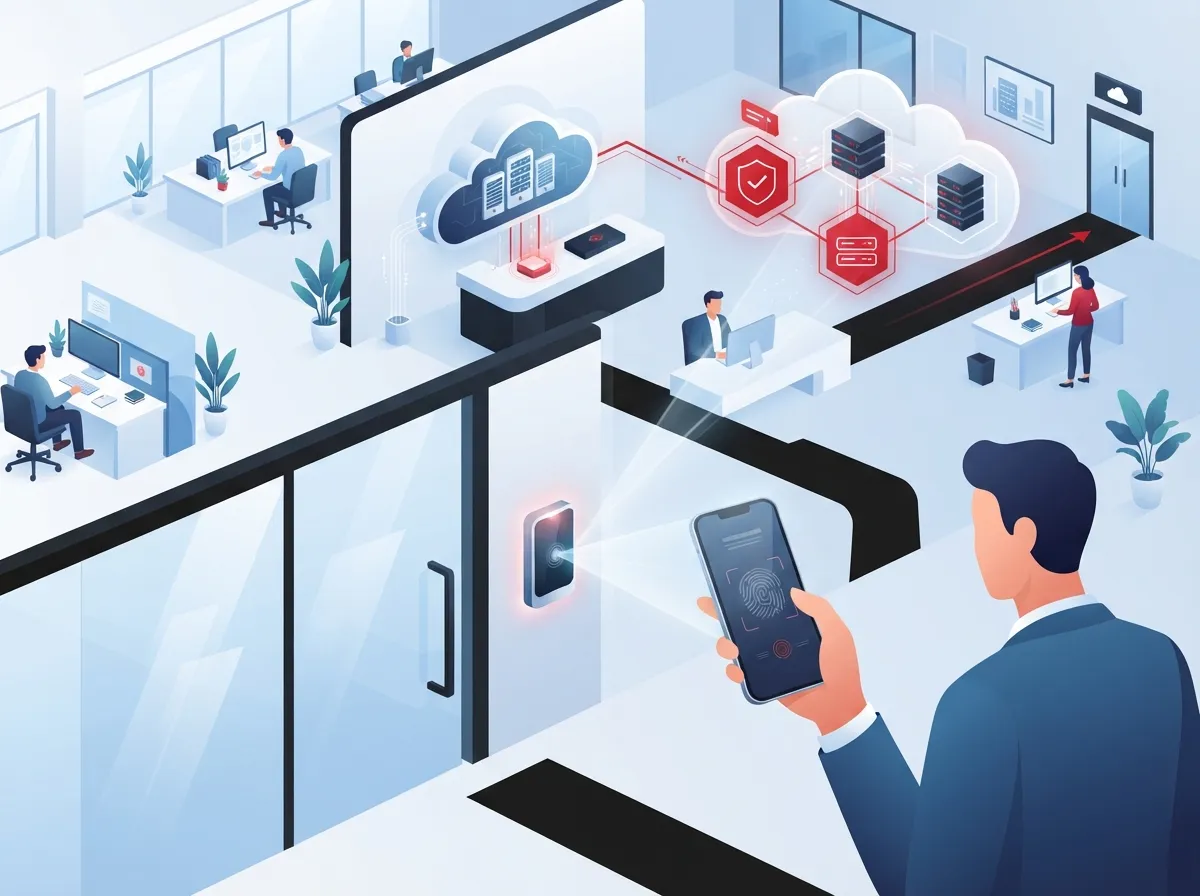
Cloud access control lets you manage building entry from an online dashboard instead of a clunky on-site server. Think of it like managing your email from any device, except instead of messages, you’re controlling who can walk through your front door.
Administrators can grant or remove access instantly, see who entered a building and when, and even unlock doors remotely if someone forgets their badge. This is a huge shift from old-school keypads and metal keys that offer zero visibility once someone walks inside.
- No more re-keying locks when an employee leaves
- Real-time alerts sent straight to your phone
- Access permissions updated instantly from anywhere
- Detailed audit logs for compliance and peace of mind
- Mobile credentials that replace old-fashioned key cards
6 Top Rated Cloud Access Control Systems in 2026
Here’s a rundown of the platforms getting the most attention this year, based on recent industry roundups and vendor comparisons. Each one brings something different to the table depending on your business size and needs.
1. Acre Security
Acre Security tops many 2026 lists because it supports cloud-native, on-premises, and hybrid setups all from one portfolio. This flexibility matters a lot for telecom companies and businesses juggling multiple locations with different needs. Acre’s platform reportedly connects with more than 250 integrations, which is a huge deal if you already use other business software.
2. Brivo
Brivo is one of the original cloud access control names, and it’s stayed relevant by keeping things simple. Small business owners love it because setup is quick and the dashboard doesn’t require an IT degree to understand.
3. Kisi
Kisi focuses heavily on mobile-first access, meaning your team can unlock doors with a smartphone tap. It’s a favorite among modern offices that want to ditch physical badges completely.
4. Verkada
Verkada bundles access control with cloud video security, which is handy if you’re already looking at cameras alongside your door locks. Many businesses like having both systems talk to each other on one screen.
5. Avigilon Alta
Avigilon Alta (formerly Openpath) is known for strong analytics and a clean interface. It’s a solid pick for mid-sized companies that want detailed reporting without a steep learning curve.
6. SALTO KS
SALTO KS stands out for hardware flexibility, offering various lock types that fit older buildings without a full rewiring project. This makes it a great option for businesses in historic or retrofit spaces.
| Platform | Best For | Standout Feature |
|---|---|---|
| Acre Security | Multi-site & telecom facilities | 250+ integrations, hybrid deployment |
| Brivo | Small businesses | Simple setup and dashboard |
| Kisi | Mobile-first offices | Smartphone unlock credentials |
| Verkada | Combined video + access | Unified security dashboard |
| Avigilon Alta | Mid-sized enterprises | Advanced analytics |
| SALTO KS | Retrofit buildings | Flexible hardware options |
Why Telecom and Multi-Site Businesses Need Hybrid-Ready Systems
If your business operates more than one location, you need a platform built for that reality. A single-site system might work fine for a small shop, but it starts to crack under pressure when you’re managing five, ten, or fifty locations.
Telecom companies, data centers, and franchise operators often need hybrid deployment options. This means the system can run partly on local hardware and partly in the cloud, giving you flexibility without sacrificing security. For franchise operators managing sites across Tampa Bay and beyond, this kind of scalable setup is a must-have, not a nice-to-have.
Learn more about scalable access control systems for multi-location Tampa businesses and how they simplify operations across every site.
Key Features to Look for in a Top Rated Platform
Not every cloud access control system is created equal. Here’s a numbered list of the features that separate the good platforms from the great ones.
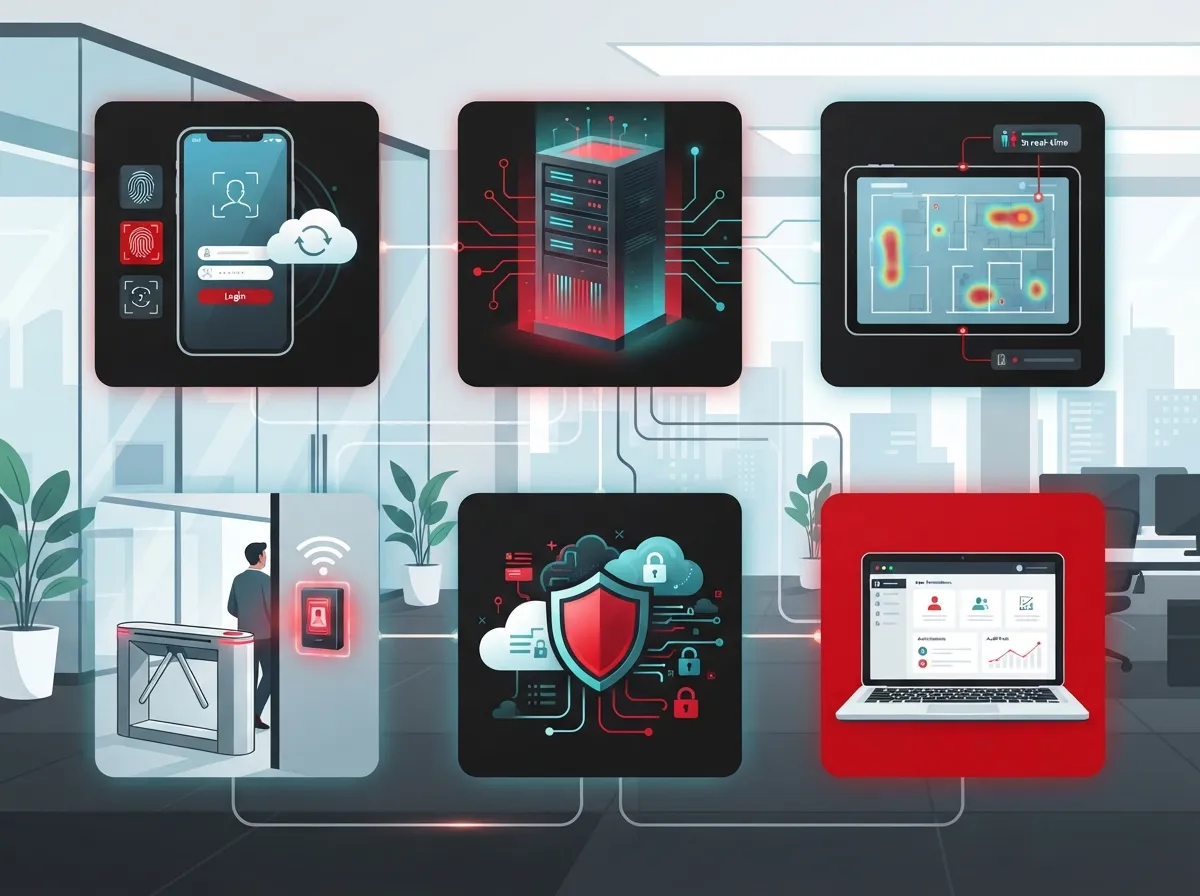
- Remote administration: You should be able to lock, unlock, and adjust permissions from anywhere.
- Mobile credentials: Employees should be able to use their phones instead of carrying key cards.
- Real-time alerts: Instant notifications when a door is forced or left open too long.
- Integration ecosystem: The system should connect with your cameras, VoIP phones, and network tools.
- Encryption and MFA: Multi-factor authentication keeps your data and doors safe from hackers.
- Audit logs: Detailed records help with compliance and investigations if something goes wrong.
These features aren’t just nice extras. They’re the backbone of what makes a system “top rated” in the first place, according to most 2025-2026 vendor comparisons.
How Much Does Cloud Access Control Cost?
Pricing varies a lot depending on the number of doors, users, and features you need. Most platforms charge a monthly or annual subscription per door, plus a one-time hardware and installation fee.
- Small single-location setups can start fairly affordable per door, per month
- Mid-sized businesses with multiple entry points pay more due to added hardware and integrations
- Enterprise and multi-site deployments often require custom quotes based on scale
- Some vendors bundle video security and access control for a combined discount
A good rule of thumb: get a few quotes before committing. This is exactly why comparing cloud based access control companies in Tampa FL before signing a contract can save you real money down the road.
Cloud Access Control vs. CASB: Don’t Get Them Confused
Here’s a mix-up we see a lot. Cloud access control manages who walks through your physical doors. A cloud access security broker, or CASB, protects your cloud apps and data instead.
Both are important, but they solve completely different problems. If you’re researching identity and data protection tools alongside door security, make sure you’re comparing the right category. A telecom partner who understands both sides can help you avoid buying the wrong tool for the job.
Steps to Choose the Right System for Your Business
Picking a cloud access control platform doesn’t have to feel overwhelming. Follow these steps to make the process painless.
- List every location and door that needs coverage.
- Decide if you need hybrid deployment or a fully cloud-based setup.
- Check which integrations matter most, like VoIP phones or security cameras.
- Compare pricing across at least three vendors.
- Ask about support response times and installation timelines.
- Request a demo before signing any long-term contract.
Taking these steps seriously now saves you from a messy switch later. Many businesses skip step five and regret it once installation day arrives with no clear support plan.
Is Cloud Access Control Right for Data Centers and Telecom Hubs?
Absolutely, and honestly, it’s almost a requirement at this point. Data centers and telecom facilities hold sensitive equipment that needs tight, trackable security.
Cloud-based systems give these facilities detailed audit trails, instant lockdown capability, and remote monitoring that traditional lock-and-key setups simply can’t match. If your business relies on structured cabling and networking equipment, protecting that infrastructure with smart access control just makes sense.
Bringing It All Together With One Trusted Partner
Juggling separate vendors for phones, internet, cameras, and access control can feel like a full-time job on its own. That’s where working with a single telecom and IT partner makes life easier.
Ideal Solutions Provider has spent over 24 years helping Tampa businesses and companies nationwide simplify their communications and security setups. With partnerships across 35+ vetted suppliers, they help you compare cloud access control options side by side instead of guessing which one fits best. They also handle everything from consultation to installation, so you’re not stuck managing five different phone numbers when something goes wrong.
If you’re also thinking about upgrading your cloud-based phone system or high-speed internet services at the same time, bundling these projects with one provider can save time and reduce headaches. You can also check out their work and client stories on Facebook, Instagram, and YouTube to see real setups in action.
Common Mistakes to Avoid When Upgrading
Even smart business owners stumble when switching to a new access control system. Here’s a quick bullet list of pitfalls to sidestep.
- Choosing a system that doesn’t scale with future growth
- Ignoring integration compatibility with existing security cameras
- Skipping employee training on new mobile credential apps
- Forgetting to plan for internet outages and backup power
- Signing a contract without comparing at least two other vendors
Avoiding these mistakes upfront means less frustration and fewer surprise costs later. A quick guide on choosing access control systems for Tampa businesses can help you dodge these common traps.
Final Thoughts on Choosing Top Rated Cloud Access Control
Picking the right cloud access control system isn’t about finding the flashiest features. It’s about finding a platform that fits your building, your team, and your budget without unnecessary complications.
Whether you’re a small business owner locking up one office or an IT manager overseeing dozens of sites nationwide, the right system gives you control, visibility, and peace of mind. And if you’d rather skip the research rabbit hole altogether, a trusted telecom partner can compare options for you and handle the entire rollout.
Ready to see which cloud access control platform fits your business best? Contact us today for a free consultation, or call us to talk through your security needs with a real person who actually listens.
FAQs
Q: What is cloud access control in business telecom solutions?
A: It’s a system that lets you manage building entry through an online dashboard instead of relying on physical keys or a local server. You can grant, revoke, or monitor access from anywhere with an internet connection, which is a game-changer for busy business owners.
Q: Which cloud access control systems are best for multi-site businesses?
A: Platforms like Acre Security shine here because they support hybrid deployment across many locations at once. If you’re managing a franchise or multiple offices, look for systems built specifically with scalability in mind.
Q: How does cloud-based access control improve security for telecom facilities?
A: It gives you real-time alerts, detailed audit logs, and instant remote lockdown capability, which traditional locks simply can’t offer. For telecom hubs and data centers, this level of visibility is honestly priceless.
Q: What is the difference between cloud access control and CASB?
A: Cloud access control manages physical building entry, while a CASB (cloud access security broker) protects your cloud applications and data. They sound similar but solve completely different problems, so don’t mix them up when shopping around.
Q: How much does cloud access control software typically cost?
A: Pricing depends on the number of doors, users, and features you need, with small setups costing less per door monthly. Larger, multi-site deployments usually require a custom quote, so it’s smart to compare a few vendors before deciding.