Key Takeaways
-
Cloud access control enables remote management of building access from anywhere via web or app, replacing physical servers and eliminating costly on-site technician visits for updates and maintenance.
-
Implement zero-trust principles for physical security by verifying every access request against current permissions in real-time, rather than assuming continued access based on previous authorization.
-
Multi-factor authentication for administrator accounts and role-based permissions following least-privilege principles are essential security controls to prevent unauthorized access changes.
-
Cloud access control integrates seamlessly with SASE frameworks (CASB, ZTNA, SWG) to create layered security combining physical entry protection with network and data security in one centralized system.
-
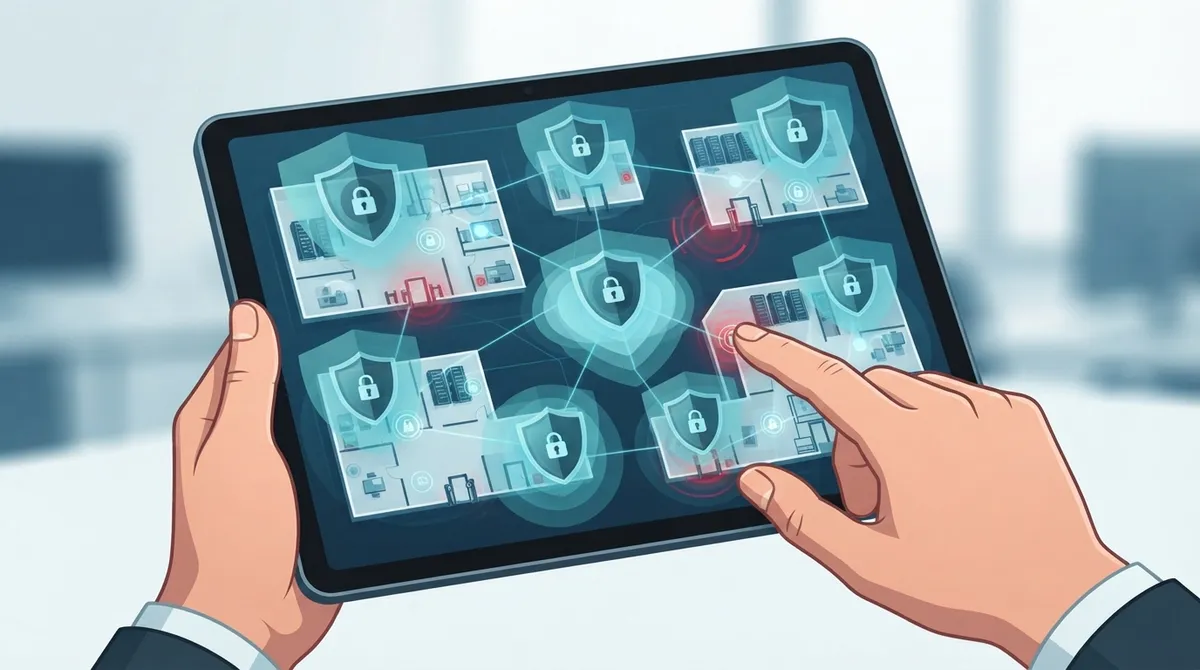
Managing multiple locations from a single dashboard eliminates vendor fragmentation and reduces IT overhead, making it critical for franchise operators and enterprises to apply consistent security policies across sites.
-
Activity logs must be regularly reviewed for unusual patterns and integrated with compliance audits; skipping this step or failing to update permissions when employees leave creates significant security gaps.
Picture this: you’re sipping coffee at home on a Sunday, and your phone buzzes. Someone just tried to badge into your office after hours. With a couple of taps, you check the live feed, confirm it’s a false alarm, and go back to your weekend. That’s the magic of cloud access control security, and honestly, it’s changing the game for businesses everywhere, including right here in Tampa Bay.
If you’ve been putting off upgrading your building security because it sounds complicated or expensive, take a breath. This guide breaks everything down in plain language. We’ll cover what cloud access control security really means for telecom-connected businesses, why it matters more than ever in 2026, and how to choose the right setup for your company. Whether you run a single office or manage locations across the country, there’s something here for you.
What Is Cloud Access Control Security, Really?
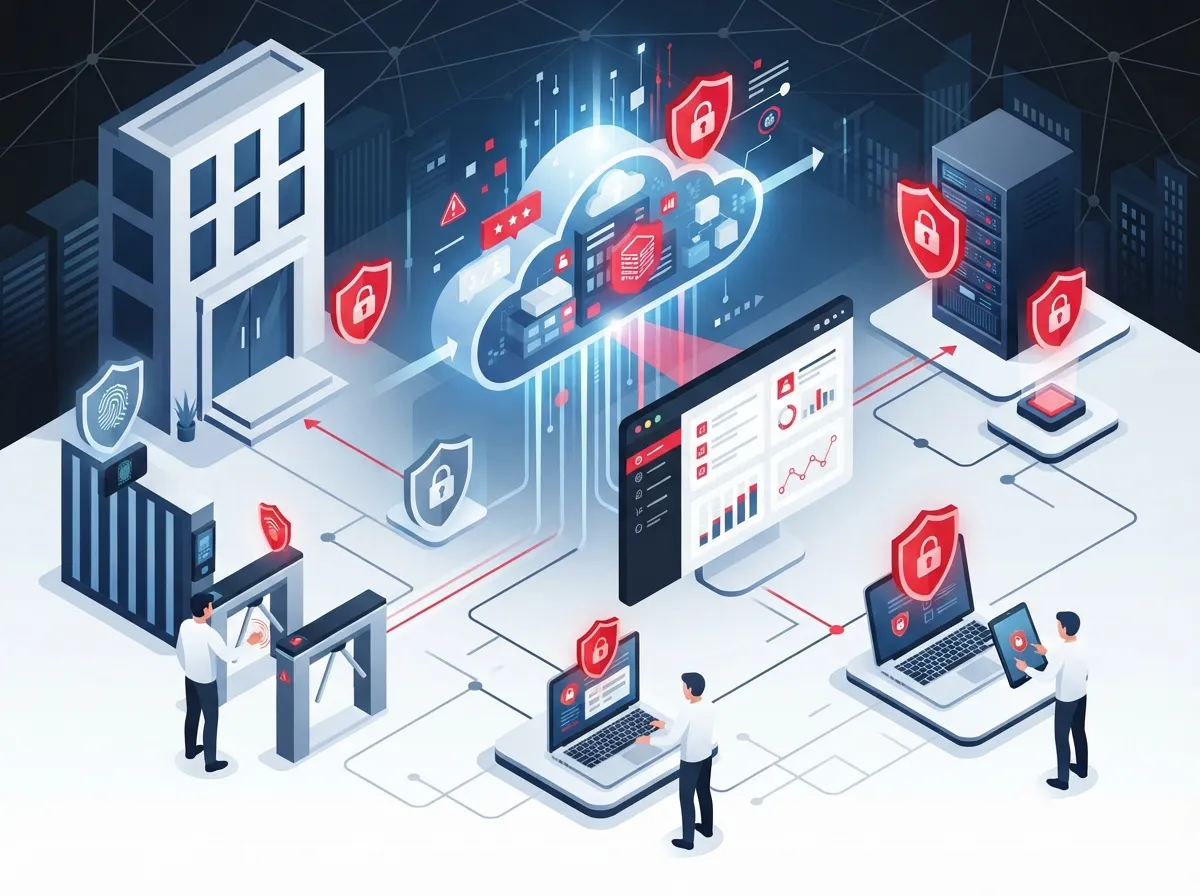
Cloud access control security is a modern way to manage who can enter your building, rooms, or restricted areas. Instead of relying on a bulky server sitting in a closet, everything runs through the cloud. You manage doors, users, and schedules from a web browser or an app on your phone.
Think of it like swapping a filing cabinet full of paper for a shared online folder. Everything is instantly accessible, always up to date, and available from anywhere. For businesses juggling phones, internet, and networking already, this fits neatly into the bigger telecom and IT picture.
At its core, cloud access control replaces old-school keypads and standalone systems with smarter, connected technology. It ties directly into your network infrastructure, much like your cloud-based phone system or your high-speed internet connection.
How It Differs From Traditional On-Prem Systems
Old access control systems needed a physical server on-site. If that server crashed, you were stuck. Updates required a technician to visit in person, and adding new doors meant more hardware and more headaches.
Cloud-based systems flip that model. Updates happen automatically. New locations get added with a few clicks. And if you’re managing multiple sites, you don’t need a separate system for each one.
| Feature | Traditional On-Prem | Cloud Access Control |
|---|---|---|
| Management Location | On-site server only | Anywhere via web or app |
| Multi-Site Support | Difficult, separate systems | Single dashboard for all sites |
| Updates | Manual, technician needed | Automatic, remote |
| Scalability | Limited, costly hardware | Easy, add users/doors quickly |
| Real-Time Alerts | Rare or none | Live notifications and monitoring |
Why Telecom-Connected Businesses Need This Now
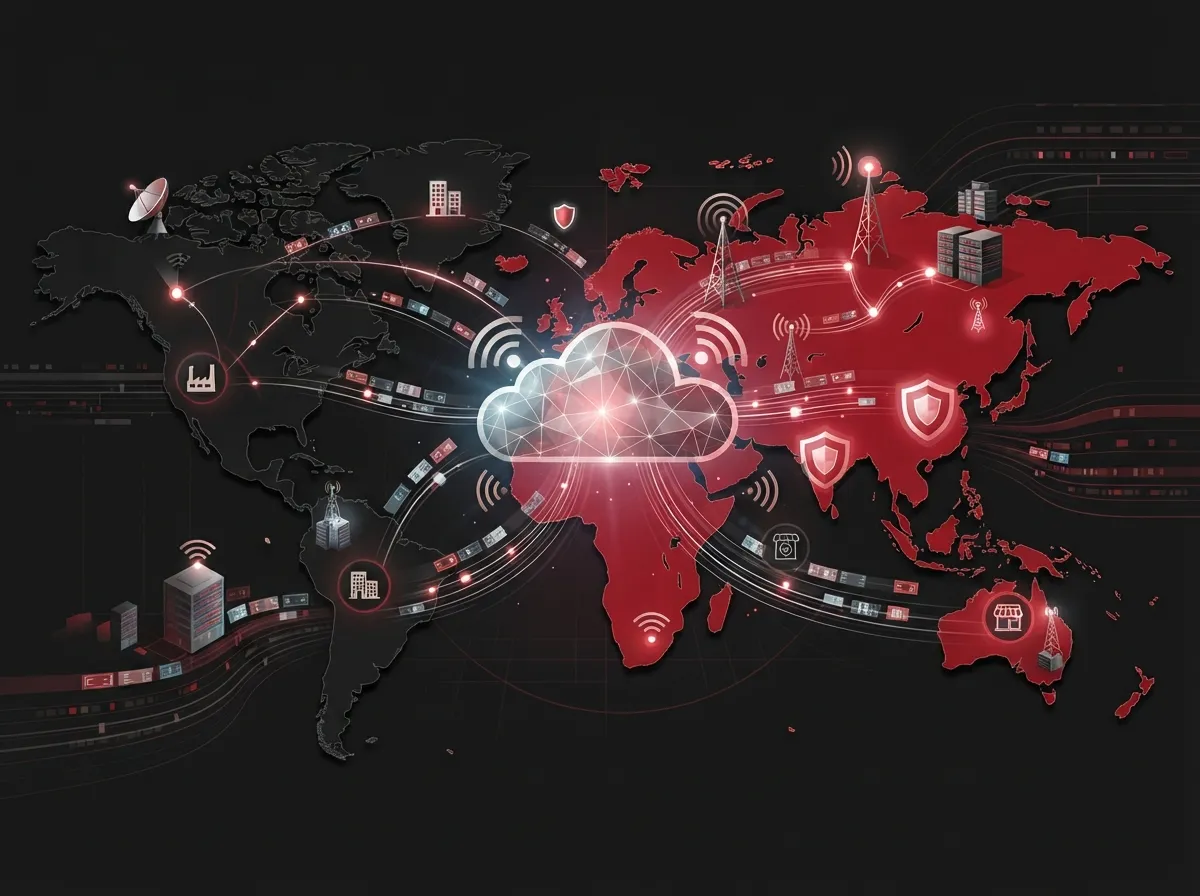
Business telecom solutions have grown far beyond just phones and internet. Today, they include networking, cybersecurity, video security, and access control all working together. Cloud access control security fits right into that ecosystem.
Here’s why it matters so much right now:
- Remote work means more people need flexible, secure building access
- Multi-location businesses need centralized control without extra IT staff
- Cyber threats are growing, and physical security ties directly into network security
- Customers and employees expect fast, modern experiences, not clunky keycards
- Insurance and compliance requirements increasingly favor auditable, cloud-logged systems
According to AWS Telco Lens guidance from 2026, centralized identity and access management along with multi-factor authentication for privileged accounts are considered essential for protecting telecom workloads. This same thinking applies directly to physical access control for your office doors and server rooms.
The Zero-Trust Connection
You’ve probably heard the term “zero trust” if you follow cybersecurity news. The idea is simple: never assume anyone or anything should have access by default. Every request gets checked, every time.
Cloud access control security applies that same philosophy to your physical spaces. Nobody gets automatic access just because they were let in yesterday. Permissions are checked, logged, and can be changed instantly if something feels off.
Key Benefits for Different Types of Businesses
Not every business has the same needs. Let’s break down how cloud access control security helps different teams.
For Small Business Owners
If you run a small shop or office in Tampa, you don’t need an IT department to manage building security anymore. Cloud systems let you add or remove employee access from your phone in seconds. No more re-keying locks when someone leaves the company.
For Mid-Sized Enterprises
Growing companies often deal with multiple departments and shifting schedules. Cloud access control makes it simple to set different permission levels for different teams, all from one dashboard. It also pairs well with cloud video security cameras for a fuller security picture.
For IT Managers
IT teams appreciate having one vetted partner instead of juggling multiple vendors for cabling, networking, and access control separately. This is where working with a company like Ideal Solutions Provider saves real time and reduces vendor headaches.
For Office Managers
Office managers often handle day-to-day building operations. Cloud dashboards make it painless to grant temporary access for visitors, vendors, or contractors without tracking down physical keys.
For Franchise Operators
Running multiple locations means consistency matters. Cloud access control lets franchise owners apply the same security policies across every site, while still allowing local flexibility when needed.
Core Features to Look For
Not all cloud access control systems are created equal. Here’s a numbered list of must-have features to check before you sign a contract:
- Remote management from any web browser or mobile device
- Real-time alerts for door activity and unusual access attempts
- Role-based permissions that follow least-privilege principles
- Multi-factor authentication for administrator accounts
- Detailed activity logs for audits and compliance needs
- Easy scalability to add new doors, users, or entire locations
- Integration with existing network and telecom infrastructure
Vendor materials from 2025 and 2026 consistently highlight the ability to manage one or many locations from a single account, using any device. That kind of flexibility matters whether you have one office or fifty.
How Cloud Access Control Fits Into SASE and IAM
If you’ve dabbled in cybersecurity discussions, you may have heard the term SASE, or Secure Access Service Edge. This framework bundles several cloud-delivered security tools into one system.
Cloud access control security often works alongside SASE components like:
- CASB (Cloud Access Security Broker) for monitoring cloud app usage
- ZTNA (Zero Trust Network Access) for verifying every connection request
- SWG (Secure Web Gateway) for filtering unsafe web traffic
- Centralized policy management across your whole network
Industry reports from 2024 note that SASE offerings typically combine FWaaS, CASB, ZTNA, and SWG into a single centrally managed platform. Pairing this with your physical access control creates a much stronger overall security posture for your business.
Steps to Implement Cloud Access Control Security
Ready to make the switch? Here’s a simple, step-by-step process to follow:
- Audit your current access points and identify weak spots
- Decide which doors, rooms, or gates need controlled access
- Choose a cloud access control provider that fits your business size
- Plan your network and structured cabling needs to support new hardware
- Set up role-based permissions before installation day
- Train staff on how to use mobile credentials or key fobs
- Test real-time alerts and monitor for a few weeks post-launch
This process works whether you’re setting up one office or coordinating a rollout across several states. If you need help planning, you can always reach out to our team for a free consultation.
Common Mistakes Businesses Make
Even with great technology, mistakes happen. Here are some pitfalls to avoid:
- Skipping multi-factor authentication for admin accounts
- Failing to update permissions when employees leave
- Choosing a system that doesn’t scale with future growth
- Ignoring integration with existing network and telecom systems
- Not reviewing activity logs regularly for unusual patterns
Avoiding these missteps keeps your building, network, and data much safer. Many businesses also pair access control upgrades with reviews of their business network solutions to make sure everything works together smoothly.
Security Layers That Work Together
Cloud access control security rarely works alone. It’s most powerful when combined with other telecom and IT protections.
| Security Layer | What It Protects | Why It Matters |
|---|---|---|
| Cloud Access Control | Physical entry points | Stops unauthorized building access |
| Cloud Video Security | Visual monitoring | Provides evidence and live oversight |
| Network Security (SASE/ZTNA) | Data and connections | Blocks unauthorized digital access |
| Structured Cabling | Physical infrastructure | Ensures reliable, secure connections |
Encryption, logging, and centralized monitoring all reduce the chances of misuse and make audits much easier. This layered approach is exactly what modern Internet Service Provider partnerships and telecom bundles are built around today.
What to Ask Before Choosing a Provider
Before signing any contract, ask these questions:
- Can the system scale from one location to hundreds without major changes?
- Does it offer real-time monitoring and live activity feeds?
- How does it handle multi-factor authentication for admins?
- What happens if internet service goes down at one location?
- Is support available nationwide, or just locally?
A trustworthy telecom partner will answer these clearly and help you compare options across multiple vendors, rather than pushing one single product.
Why Work With a Telecom Partner Instead of a Single Vendor
Many businesses assume they need a separate provider for phones, internet, cabling, and security. That’s simply not true anymore. Working with one trusted partner who compares vetted suppliers saves time, reduces confusion, and often lowers costs.
With over 24 years of experience and partnerships across 35+ vetted suppliers, Ideal Solutions Provider helps businesses nationwide combine cloud access control, video security, networking, and phone systems into one simple, manageable solution. You can also follow updates and tips on Facebook, Instagram, or YouTube for more helpful telecom insights.
Final Thoughts on Cloud Access Control Security
Cloud access control security isn’t just a trendy upgrade. It’s quickly becoming a baseline expectation for businesses that want to stay safe, flexible, and ready for growth in 2026 and beyond. Whether you’re protecting one small office or dozens of franchise locations, the cloud gives you the visibility and control you need without the old headaches.
If you’re ready to explore what cloud access control security could look like for your business, our team is here to help. Contact us today for a free consultation, or feel free to call us to talk through your options. We’ll help you find the right fit, without the sales pressure.
FAQs
Q: What is cloud access control security in telecom?
A: It’s a way to manage who can enter your building or restricted areas using cloud software instead of an on-site server. You get remote control, real-time alerts, and easy scaling, all connected to your broader telecom setup like your phones and internet.
Q: How does cloud-based access control work for business telecom companies?
A: Cloud access control connects your door hardware to a secure online platform. Telecom companies love it because it pairs naturally with existing networking, internet, and cybersecurity services they already manage for clients.
Q: What are the benefits of cloud access control for multi-site operations?
A: You can manage every location from one single dashboard, no matter where you are. Adding new sites is simple too, since there’s no need for separate servers or systems at each location.
Q: How does cloud access control support zero-trust security?
A: It never assumes anyone has automatic access, even if they had it yesterday. Every entry request gets checked against current permissions, which lines up perfectly with zero-trust principles used in modern network security.
Q: What features should a telecom business look for in cloud access control software?
A: Look for remote management, real-time alerts, role-based permissions, and multi-factor authentication for admins. It also helps if the system integrates smoothly with your existing network and telecom infrastructure.