Key Takeaways
-
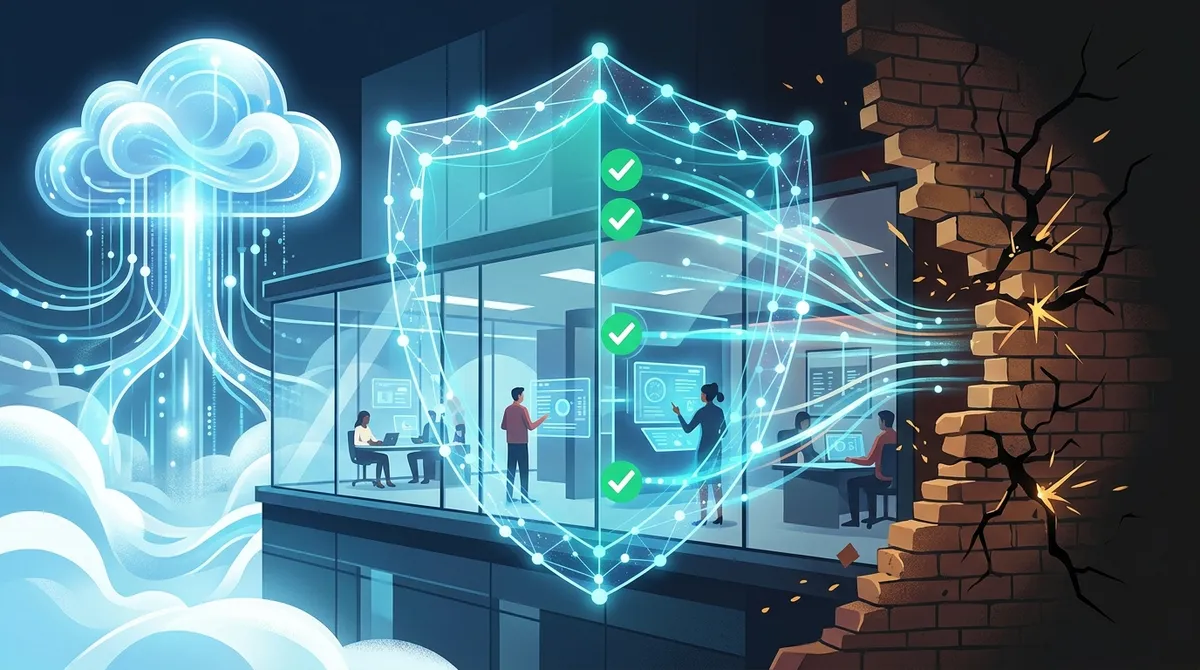
Cloud security protects distributed teams anywhere they work using real-time AI-powered threat detection, while traditional perimeter-based security leaves gaps for remote employees, hybrid work, and IoT devices.
-
Cloud security reduces attack surface by placing secure proxy layers and access controls in front of services, making it dramatically harder for threats to reach core systems compared to direct internet exposure in traditional setups.
-
Cloud security operates on predictable subscription pricing with automatic updates and managed maintenance, eliminating large upfront hardware costs and expensive repair bills that traditional on-premises security requires.
-
Cloud security includes essential modern features like Zero Trust Network Access, multifactor authentication, and comprehensive IoT endpoint protection that traditional hardware-based systems struggle to provide at scale.
-
Cloud security automates compliance logging, auditing, and reporting for HIPAA, PCI-DSS, SOC 2, and NIST frameworks, whereas traditional security often requires expensive third-party audits and manual log reviews.
-
Cloud security scales easily by adding users and devices without purchasing new hardware, making it cost-effective for growing businesses, while traditional security requires new infrastructure investments to expand.
If you run a business in 2026, you’ve probably heard the phrase “cloud security” thrown around a lot. But what does it actually mean for your company’s telecom setup? And how does it stack up against the traditional network security approach many businesses still rely on? These are great questions, and you’re in exactly the right place to get some clear, friendly answers.
Whether you’re a small business owner in Tampa, an IT manager juggling multiple locations, or a franchise operator trying to keep your communications tight and secure, this comparison breaks it all down for you. Let’s walk through both options side by side so you can make a smart, confident decision for your business.
What Is Cloud Security in Business Telecom?
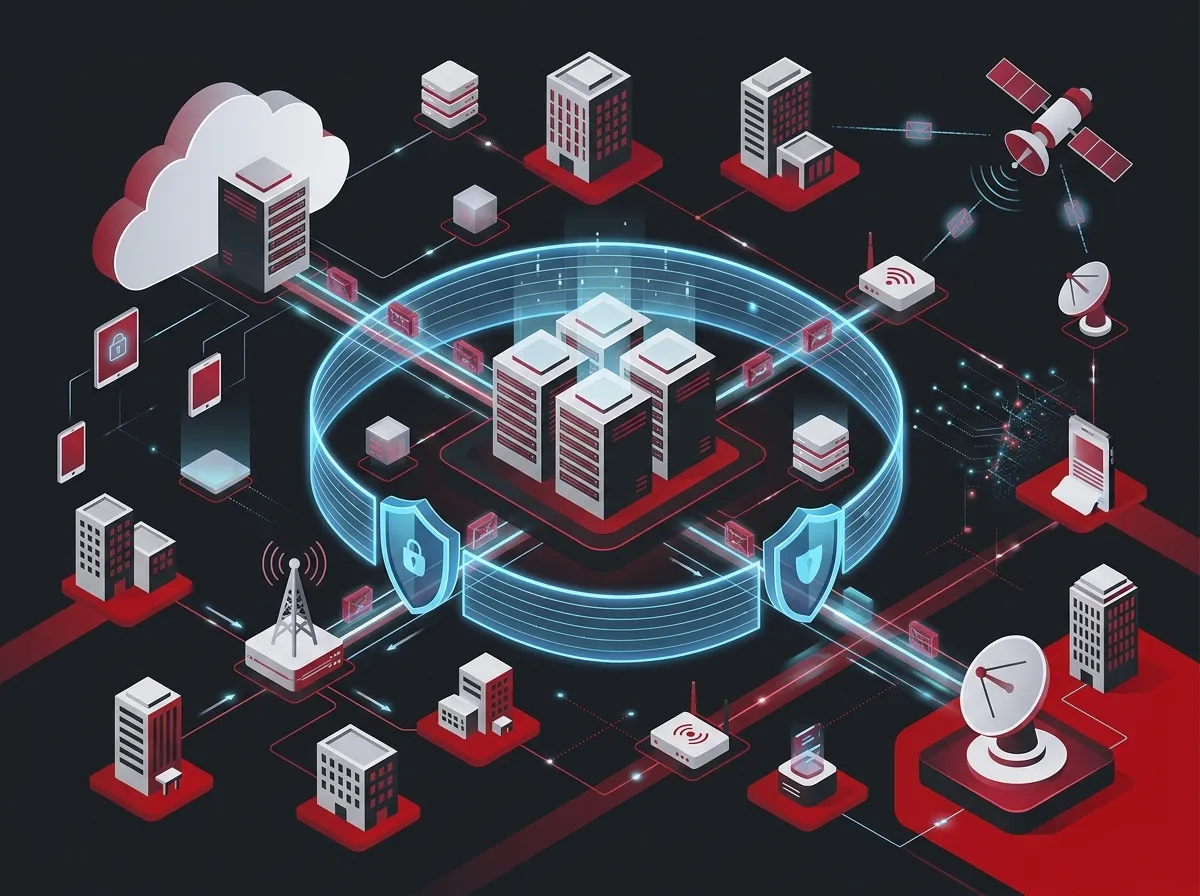
In the world of business telecom, cloud security means protecting your communications, data, and network services using tools that live in the cloud — not just on physical hardware at your office. Think of it like hiring a team of digital bodyguards who work 24/7 from anywhere, keeping your phone calls, internet traffic, and connected devices safe no matter where your team logs in from.
This is especially important now that hybrid work and remote teams are the norm. Your employees might be connecting from a coffee shop in Ybor City, a hotel room in Phoenix, or a home office in Clearwater. Cloud security protects all of those connection points. It typically includes tools like next-generation firewalls, Zero Trust Network Access (ZTNA), multifactor authentication, intrusion detection, and web content filtering.
If you’re curious how this ties into your overall phone setup, check out what a cloud-based phone system is and whether you need one — it’s a great starting point for understanding how cloud tools work together.

What Is Traditional Network Security?
Traditional network security relies on physical hardware — firewalls, routers, and servers — installed on-site at your office. It’s the older approach, and it worked well when everyone came into the office every day and your data stayed inside four walls. Security was essentially a perimeter defense. Keep the bad guys out, and you’re safe.
The challenge today is that the perimeter has disappeared. Employees, devices, apps, and data now exist everywhere. Traditional security tools weren’t built for that kind of distributed environment. That’s where cloud security steps in and changes the game.
Cloud Security vs. Traditional Security: A Side-by-Side Comparison
Let’s put both approaches on the table and compare them directly. This makes it easier to see which solution fits your business needs best.
| Feature | Cloud Security | Traditional Network Security |
|---|---|---|
| Deployment | Cloud-delivered, no on-site hardware required | On-premises hardware and software |
| Remote Work Support | Excellent — protects users anywhere | Limited — designed for in-office use |
| Scalability | Easy to scale up or down | Requires new hardware purchases to scale |
| IT Burden | Managed by provider, low internal burden | Requires dedicated internal IT staff |
| Cost Model | Subscription-based, predictable monthly cost | High upfront capital investment |
| Threat Detection | Real-time, AI-powered monitoring | Manual updates, slower response |
| Multicloud Support | Yes — built for hybrid and multicloud | No — single environment focus |
| IoT Device Protection | Yes — covers all connected devices | Limited — struggles with IoT endpoints |
The differences are pretty striking, right? Cloud security wins in almost every category that matters for modern businesses. But let’s dig a little deeper into the specific reasons why.
Key Benefits of Cloud Security for Telecom-Focused Businesses
When your business relies on cloud-based phone systems, high-speed internet, and networked security cameras, having the right security layer is critical. Here’s what cloud security brings to the table:
- Anywhere protection: Your users and data are safe whether they’re in the office, at home, or traveling.
- Reduced attack surface: Cloud security can insert secure proxies and access control layers in front of your services, making it much harder for threats to reach your core systems.
- Automatic updates: No more manually patching hardware. Cloud security updates itself continuously.
- Simplified management: One dashboard to monitor your whole environment, from phones to cameras to network traffic.
- IoT endpoint coverage: Cloud security protects every connected device, including VoIP phones, access control panels, and cloud cameras.
- Compliance support: Cloud platforms make it easier to meet industry compliance requirements by logging, monitoring, and reporting on your environment automatically.
For businesses running cloud video security systems or cloud-based access control, these benefits aren’t just nice to have — they’re essential for day-to-day operations.
Common Cloud Security Features to Look For
Not all cloud security solutions are created equal. When evaluating your options, here are the core features that matter most in a business telecom environment:
- Zero Trust Network Access (ZTNA): This model assumes no user or device is trusted by default. Every access request is verified before granting entry — a must-have for hybrid teams.
- Multifactor Authentication (MFA): Adds a second verification step beyond passwords, dramatically reducing the risk of unauthorized access.
- Next-Generation Firewall (NGFW): Goes beyond basic port blocking to inspect traffic deeply and block advanced threats.
- Intrusion Detection and Prevention: Monitors for suspicious activity and automatically stops attacks before they cause damage.
- Web Content Filtering: Blocks access to malicious websites and inappropriate content across your entire network.
- End-to-End Encryption: Keeps your voice calls, messages, and data private as they travel across the internet.
These features work together to create a layered defense that traditional on-premises security simply can’t match in today’s distributed business environment. You can also explore managed network services for Tampa FL businesses to see how these security layers integrate with your broader network strategy.
Cloud Security and Hybrid Work: A Perfect Match
One of the biggest reasons businesses are making the switch in 2026 is hybrid work. When your team works from multiple locations, traditional perimeter-based security leaves huge gaps. Cloud security was built specifically for this reality.
According to Cisco, cloud security can protect everything from users and cloud applications to devices and IoT endpoints at scale. That’s the kind of comprehensive coverage modern businesses need. For telecom companies and their clients, this means every VoIP call, every video conference, and every remote login gets the same level of protection as if the employee were sitting at their desk in a secure office.
If your team uses VoIP phone services to stay connected remotely, cloud security ensures those communications stay private and protected. It’s also worth noting that SD-WAN solutions for Tampa Bay businesses pair exceptionally well with cloud security tools, giving you both performance and protection across all your locations.
Attack Surface Reduction: Why It Matters
One concrete advantage of cloud security is attack surface reduction. This is a security strategy that limits the number of entry points a threat actor can exploit. In traditional setups, every server, router, and endpoint is potentially exposed to the internet. Cloud security changes this by placing secure proxy layers, access controls, and traffic inspection points in front of your services.
A well-known telecom industry case study (from NTT DATA’s work with AWS) showed that removing direct internet access to web servers and inserting a proxy layer dramatically reduced the attack surface for a major telecom provider. This kind of architectural improvement is now available to businesses of all sizes through cloud-delivered security platforms.
| Security Layer | Traditional Security | Cloud Security |
|---|---|---|
| Web Server Access | Direct internet exposure | Protected behind secure proxy |
| User Authentication | Password-only | MFA + ZTNA |
| Traffic Inspection | Basic port filtering | Deep packet inspection |
| Threat Intelligence | Manual signature updates | Real-time AI-driven intelligence |
What About Compliance Requirements?
If your business operates in healthcare, finance, education, or government, compliance isn’t optional. Cloud security platforms are designed with compliance in mind. They log every event, generate audit-ready reports, and automate many of the monitoring tasks that compliance frameworks require.
Key compliance areas that cloud security supports include:
- HIPAA – Required for businesses handling patient health information
- PCI-DSS – Required for businesses that process credit card payments
- SOC 2 – Relevant for service providers handling client data
- NIST Cybersecurity Framework – A federal benchmark used across many industries
Traditional network security solutions often require expensive third-party audits and manual log reviews to demonstrate compliance. Cloud security automates much of this work, saving your team time and reducing compliance risk.
When Traditional Security Still Has a Role
To be fair, traditional network security isn’t completely obsolete. For some very specific environments — like highly classified government facilities or manufacturing floors with air-gapped systems — on-premises hardware security still makes sense. But for the vast majority of businesses using cloud phones, broadband internet, cloud cameras, and access control systems, cloud security is the stronger choice.
The good news is that you don’t always have to choose one or the other. Many businesses use a hybrid approach: cloud security for their distributed users and cloud services, with some on-premises controls for sensitive local systems. This is especially common in enterprise environments where enterprise network infrastructure services span both physical and virtual environments.
Cloud Security Costs vs. Traditional Security Costs
Let’s talk money. Here’s a simple breakdown of how costs compare between the two approaches:
| Cost Category | Cloud Security | Traditional Security |
|---|---|---|
| Initial Setup | Low — minimal hardware needed | High — servers, firewalls, cabling |
| Ongoing Maintenance | Included in subscription | Requires dedicated IT staff or contracts |
| Scalability Cost | Pay-as-you-grow pricing | New hardware purchases required |
| Unexpected Failures | Provider handles redundancy | Business bears full repair cost |
For small businesses and growing mid-sized companies, the subscription model of cloud security is far more budget-friendly. You avoid the large upfront costs and unpredictable repair bills that come with physical hardware. If you’re also looking to reduce your overall telecom spend, you’ll love these 15 ways to reduce business telecom costs in Tampa for 2026.
How Ideal Solutions Provider Can Help
Choosing the right cloud security setup for your business telecom environment doesn’t have to be overwhelming. Ideal Solutions Provider is a Tampa-based telecom and IT partner with over 24 years of experience helping businesses of all sizes navigate exactly these kinds of decisions. With access to 35+ vetted suppliers, they compare options on your behalf and recommend what genuinely fits your needs — no sales pressure, just honest guidance.
They offer a free consultation where they audit your existing telecom setup and identify security gaps, cost savings, and improvement opportunities. In fact, 9 out of 10 businesses they audit are either overpaying, underperforming, or both. It’s worth a conversation. You can also follow along with their latest tips and insights on their Facebook page and Instagram for real-world examples and updates.
Want to see how cloud security fits into your network strategy? Check out this helpful guide on in-house IT vs. a network solutions provider to understand when it makes sense to bring in outside expertise.
Steps to Transition to Cloud Security
Ready to make the move? Here’s a simple roadmap to get started:
- Audit your current setup: Identify all the devices, users, applications, and network access points your business currently relies on.
- Identify your biggest risks: Where are you most vulnerable? Remote workers? IoT devices? Unsecured VoIP traffic?
- Choose the right cloud security features: Match your risk profile to the tools you need — ZTNA, MFA, firewall, encryption, etc.
- Work with a trusted telecom partner: Don’t go it alone. A single point of contact like Ideal Solutions Provider can coordinate your cloud security deployment across all your systems and locations.
- Train your team: Security tools only work when your people know how to use them correctly. A short training session can prevent a lot of headaches down the road.
If you want to see how this integrates with your phone systems, this article on 5 steps to switch your business phone to the cloud in Tampa is a great companion read. You can also browse video resources and real customer stories on the Ideal Solutions Provider YouTube channel.
The Verdict: Cloud Security Wins for Modern Business Telecom
When you stack cloud security up against traditional network security in today’s business environment, the winner is clear. Cloud security is more flexible, more scalable, easier to manage, and better suited to the way businesses actually operate in 2026. It protects your users wherever they work, covers every connected device, and integrates seamlessly with cloud phone systems, high-speed internet, and cloud-based cameras and access control.
Traditional security still has its place in very specific scenarios, but for the majority of businesses — especially those using cloud telecom tools — it simply can’t keep up with modern threats and modern work styles.
The best part? Making the switch doesn’t have to be complicated or expensive. With the right telecom partner guiding you, you can upgrade your security posture and potentially reduce your overall costs at the same time. Reach out to the friendly team at Ideal Solutions Provider and get your free telecom and security consultation today — or give them a call at 813-388-4935 to talk through your options. You’ve got nothing to lose and a much more secure business to gain.
FAQs
Q: What is cloud security in business telecom solutions?
A: In business telecom, cloud security means protecting your communications, data, and network services using tools delivered through the cloud rather than on-site hardware. It keeps your VoIP calls, internet traffic, connected devices, and remote users safe — all managed through a centralized cloud platform. Think of it as a smart, always-on security team working in the background so you don’t have to!
Q: Why should my business switch from traditional security to cloud security?
A: Traditional security was designed for a time when everyone worked in one office. Today, with remote teams, cloud phones, and IoT devices everywhere, that old perimeter-based approach just can’t keep up. Cloud security protects your users and data no matter where they connect from, scales with your business easily, and typically costs less over time — it’s a win on almost every level.
Q: How does cloud security support remote and hybrid work?
A: Cloud security is built specifically for distributed environments — meaning it protects every user whether they’re in the office, at home, or on the road. It uses tools like Zero Trust Network Access (ZTNA) and multifactor authentication to verify every login and keep your communications private. For businesses using cloud phone systems or remote video monitoring, this kind of protection is absolutely essential.
Q: What cloud security features are most important for telecom businesses?
A: The most important features for telecom-focused businesses include Zero Trust Network Access, multifactor authentication, next-generation firewalls, intrusion detection and prevention, end-to-end encryption, and web content filtering. These tools work together to cover all your users, devices, apps, and IoT endpoints — giving you full visibility and control over your entire communications environment.
Q: Is cloud security expensive compared to traditional network security?
A: Cloud security is actually more budget-friendly for most businesses! Instead of large upfront costs for physical hardware, you pay a predictable monthly subscription. Maintenance, updates, and redundancy are all handled by the provider, so you don’t need a big internal IT team to manage it. For small and mid-sized businesses especially, the cost savings over time can be significant.