

Key Takeaways
-
Cloud-based VoIP systems are the clear winner in 2026, offering lower costs starting at $9.99/user/month, automatic updates, and support for remote work without requiring on-site hardware.
-
Choose a phone system based on your business size and needs: startups need affordability and ease of use, while larger companies should prioritize CRM integrations, analytics, and unified communications platforms.
-
Look for essential features including auto attendant, call forwarding, mobile app support, CRM integrations, and AI-driven tools like call transcription to boost productivity by 20-25%.
-
Avoid common mistakes like choosing solely based on price, ignoring internet requirements, skipping employee training, and not testing before committing with a demo or trial period.
-
Ensure your VoIP provider offers strong uptime guarantees, inclusive onboarding and training, number portability, and responsive customer support before signing any contracts.
-
A fast, reliable internet connection is non-negotiable for VoIP quality, and you should verify your setup can handle VoIP requirements before switching systems.
Picking the right phone system for your business can feel overwhelming. There are dozens of options, confusing pricing plans, and a lot of technical language to wade through. Whether you’re a small business owner in Tampa or an IT manager overseeing multiple locations, you need a system that just works — reliably, affordably, and without drama.
The good news? The best business phone system doesn’t have to be complicated. In 2026, most businesses are moving to cloud-based VoIP systems that are flexible, cost-effective, and packed with features. This guide breaks down everything you need to know to make a smart choice — no fluff, no jargon, just practical advice you can use today.
Let’s dive in and find the right fit for your business!
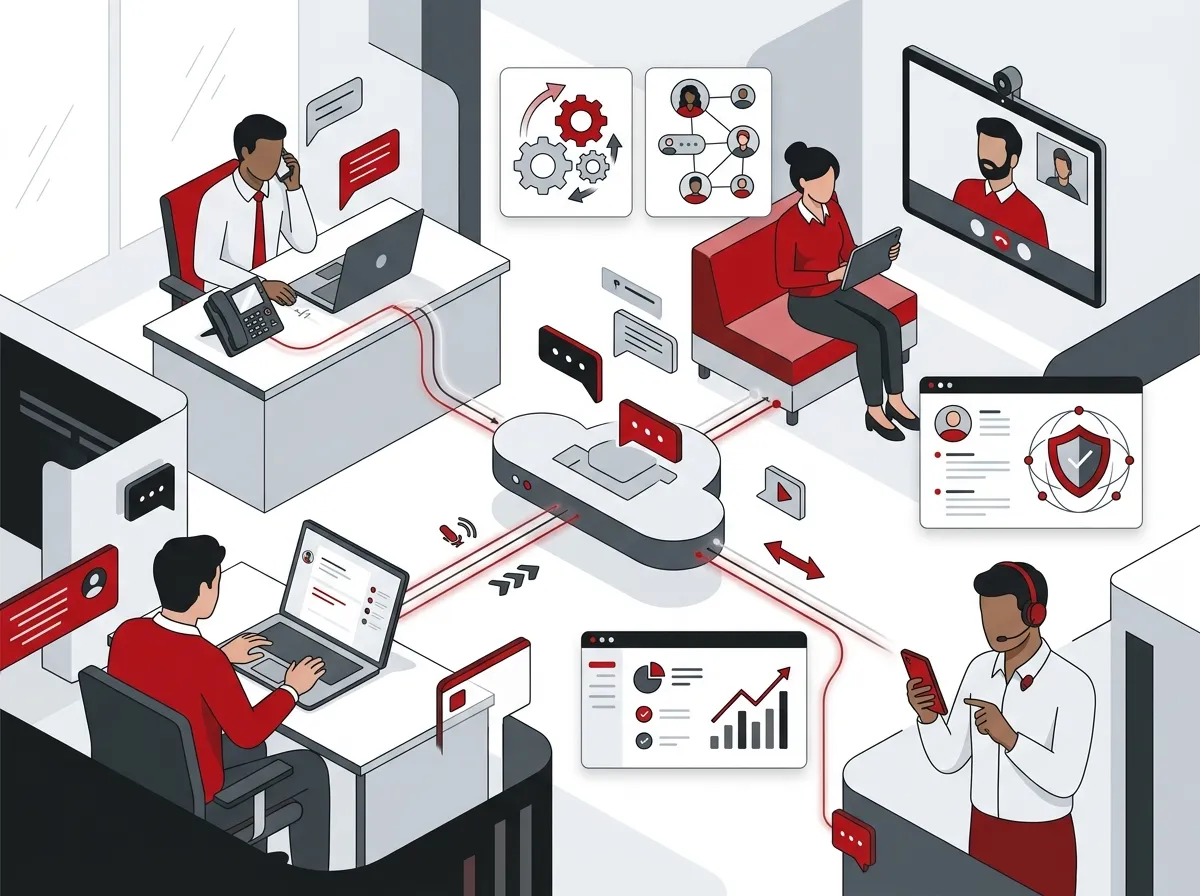
What Makes a Business Phone System “The Best”?
Not every business needs the same phone system. A five-person startup has very different needs than a 200-person company with multiple locations. So “best” really depends on your situation. That said, the top systems share some common qualities that make them stand out.
Here are the key qualities to look for:
- Reliability — The system should rarely go down. Missed calls mean missed business.
- Ease of use — Your team should be able to use it without hours of training.
- Scalability — The system should grow as your business grows.
- Mobile support — Your team should be able to take calls anywhere, on any device.
- Integrations — It should connect with your CRM, email, and other tools you already use.
- Support — When something goes wrong, help should be fast and friendly.
If a phone system checks all these boxes, you’re in good shape. Now let’s look at the types of systems available.
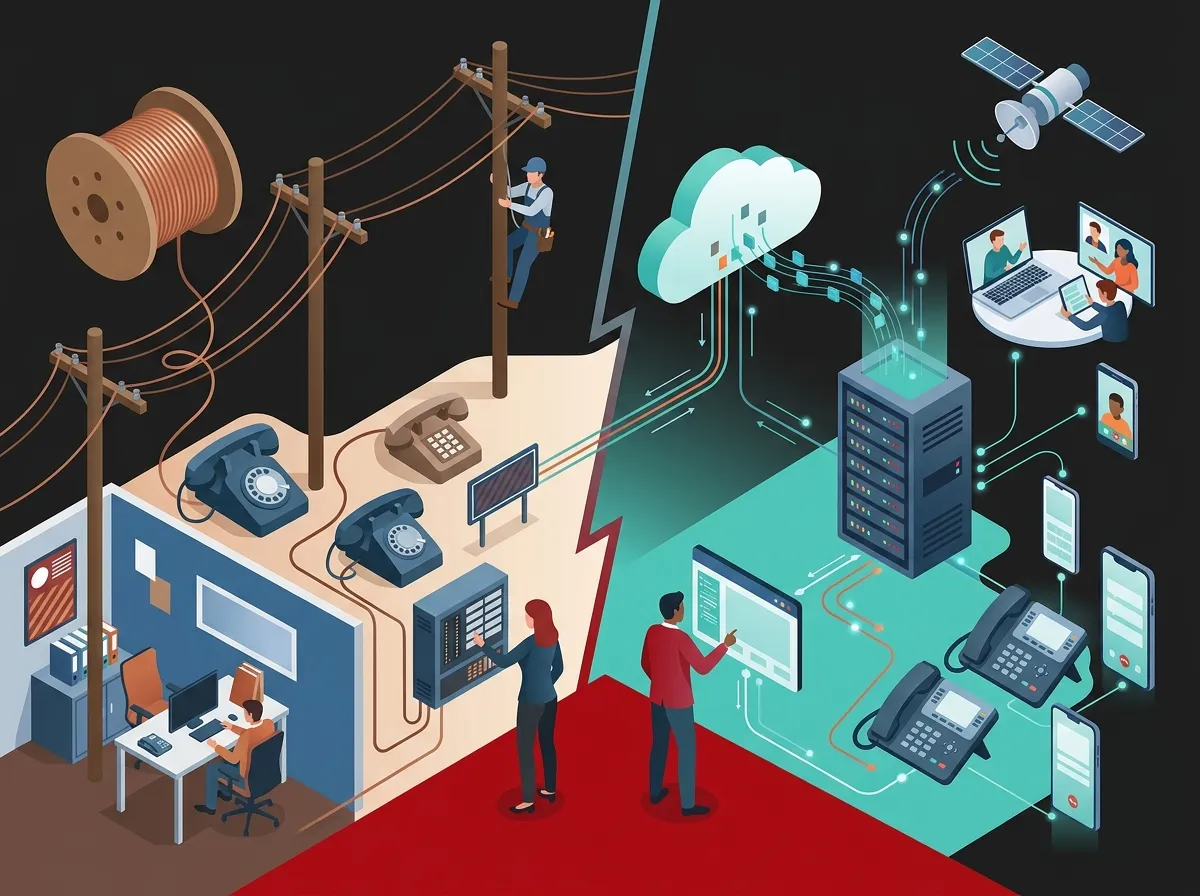
VoIP vs. Traditional Phone Systems: What’s the Difference?
Before choosing a system, it helps to understand the two main types. Traditional phone systems use physical copper wires and on-site hardware. VoIP (Voice over Internet Protocol) systems run calls over the internet.
Wondering which one wins? Check out this breakdown of 6 key differences between VoIP and traditional phone systems for a deeper look.
| Feature | Traditional Phone | VoIP Phone System |
|---|---|---|
| Call Routing | Hardware-based | Cloud-based |
| Setup Cost | High (hardware required) | Low (software-based) |
| Monthly Cost | Higher | Plans from ~$9.99/month |
| Remote Work Support | Limited | Excellent |
| Scalability | Requires new hardware | Add users instantly |
| Features | Basic calling only | AI tools, CRM, video, SMS |
As you can see, VoIP wins in almost every category for modern businesses. It’s no surprise that most businesses switching to a better communication setup are choosing VoIP over traditional systems in 2026.
Top Features to Look for in the Best Business Phone System
Features can make or break your phone system experience. Here are the most important ones to look for when comparing your options. According to research from the U.S. Chamber of Commerce, businesses using unified communications tools can boost productivity by 20% to 25% — so choosing the right features really matters!
Here are the top features every business phone system should include:
- Auto Attendant — Automatically greets callers and routes them to the right department or person.
- Call Forwarding — Redirects calls to mobile phones or other extensions when you’re unavailable.
- Visual Voicemail — Lets you read voicemail transcriptions instead of listening to each message.
- Mobile App Support — Allows your team to make and receive business calls from their smartphones.
- CRM Integrations — Connects your phone system with tools like Salesforce, HubSpot, or Zoho.
- AI-Driven Tools — Features like call transcription, sentiment analysis, and smart routing powered by AI.
- Video Conferencing — Built-in video meetings so you don’t need a separate tool.
- Team Messaging — Internal chat and collaboration features for your whole team.
Want the full breakdown? Check out these 12 VoIP phone system features every business needs in 2026.
Cloud-Based Business Phone Systems: The Clear Winner in 2026
Cloud-based phone systems have taken over the market — and for good reason. They’re hosted in the cloud, meaning you don’t need bulky on-site hardware. Everything is managed through a web portal or app.
Here’s why cloud systems are the best business phone system option for most companies today:
- They work from anywhere — office, home, or on the go
- Upgrades happen automatically — no manual updates
- Easy to add or remove users as your team changes
- Often include video, messaging, and calling in one platform
- Lower upfront costs compared to traditional PBX systems
If you want to learn more about making the switch, this guide on 5 steps to switch your business phone to the cloud is a great starting point.
How to Choose the Right System for Your Business Size
One size does not fit all when it comes to business phone systems. Here’s a simple guide based on your company’s size and needs.
| Business Size | Recommended Setup | Key Priorities |
|---|---|---|
| 1–10 Employees | Basic cloud VoIP plan | Affordability, ease of use |
| 11–50 Employees | Mid-tier cloud system | CRM integrations, mobile app |
| 51–200 Employees | Unified communications platform | Call analytics, team collaboration |
| 200+ Employees | Enterprise UCaaS solution | Advanced routing, compliance, AI tools |
| Multi-Location | Cloud system with centralized management | Scalability, consistent experience |
For Tampa-area businesses specifically, it’s worth exploring which cloud-based phone system is best for Tampa businesses to find locally relevant options and support.
What About Pricing? How Much Does a Business Phone System Cost?
Here’s some great news — cloud VoIP systems are much more affordable than most business owners expect. Entry-level plans from leading providers start at around $9.99 per user per month in 2026. Pricing scales up based on the features you need.
Here’s a general pricing breakdown:
| Plan Tier | Monthly Cost (Per User) | What’s Included |
|---|---|---|
| Entry Level | $9.99 – $20 | Basic calling, voicemail, mobile app |
| Mid-Tier | $20 – $40 | Auto attendant, call recording, integrations |
| Advanced | $40 – $60 | AI tools, analytics, video, team messaging |
| Enterprise | $60+ | Custom routing, compliance, dedicated support |
Keep in mind that your internet connection plays a huge role in call quality. A fast, reliable connection is non-negotiable. Learn what speed you actually need in this guide: what internet speed do I need for VoIP in Tampa?
For a more detailed cost breakdown, check out how much does a VoIP phone system cost for a business in Tampa?
Key Considerations Before You Buy
Before you sign any contracts, take a step back and ask yourself a few important questions. These will help you avoid costly mistakes and choose a system that actually fits your workflow.
Here’s a quick checklist to go through before making your decision:
- How many users need to be on the system? This affects your pricing tier and feature requirements.
- Do you have remote or hybrid workers? If yes, mobile app support and cloud access are essential.
- What tools do you already use? Look for a system that integrates with your existing CRM or email platform.
- Do you need international calling? Some systems handle international calls better than others — check rates carefully.
- What’s your internet setup like? VoIP quality depends heavily on your internet connection.
- Do you have multiple locations? Look for centralized management tools to keep everything consistent.
Franchise operators and multi-location businesses especially need to think about scalability. A system that works for one location should be just as easy to roll out across five, ten, or fifty sites. You can also explore how to choose the right phone system for a small business for more tailored guidance.
Avoid These Common Business Phone System Mistakes
Even smart business owners make avoidable mistakes when choosing a phone system. Here are the most common ones — and how to sidestep them.
- Choosing based on price alone — The cheapest plan often lacks the features you need. Balance cost with value.
- Ignoring internet requirements — VoIP needs a solid, stable internet connection to work well.
- Skipping employee training — Even the best system fails if your team doesn’t know how to use it.
- Not testing before committing — Always ask for a demo or trial period before signing a long-term contract.
- Overlooking support options — Make sure the provider offers responsive, accessible customer support.
For Tampa businesses using hosted PBX systems, there are some additional pitfalls to watch out for. Learn more in this guide on hosted PBX mistakes Tampa small businesses must avoid.
How Ideal Solutions Provider Can Help You Choose
Choosing the best business phone system is a lot easier when you have an expert in your corner. Ideal Solutions Provider is a Tampa-based telecom partner with over 24 years of experience helping businesses find the right communication tools. They work with 35+ vetted suppliers — including leading VoIP providers — and act as a single point of contact for everything from consultation to installation to ongoing support.
What makes them different? They’re independent. That means they compare options across dozens of providers and recommend what’s actually best for your business — not what earns them the biggest commission. In fact, 9 out of 10 businesses they audit are either overpaying or underperforming. Sounds familiar? You can reach out for a free telecom consultation to see where your current setup stands.
You can also follow them on Facebook and Instagram for helpful telecom tips and updates.
Questions to Ask Any Phone System Provider
When you’re comparing providers, don’t be shy about asking tough questions. A good provider will welcome them. Here are the most important questions to ask:
- What is your uptime guarantee, and how do you handle outages?
- Is onboarding and training included in the setup process?
- Can I keep my existing phone numbers when switching?
- What integrations do you support with popular CRM and business tools?
- How does your pricing change as I add more users?
Wondering about keeping your existing number? Check out this helpful article on how to keep your phone number when switching to VoIP in Tampa. And if you’re not sure how to find the right provider at all, this guide on how to choose a business VoIP solutions provider in Tampa walks you through the whole process step by step.
You can also watch helpful explainer videos on the Ideal Solutions Provider YouTube channel to get a better feel for how modern business phone systems work in practice.
Final Thoughts: Finding the Best Business Phone System for You
The best business phone system is the one that fits your team’s size, budget, and workflow — and actually gets used. In 2026, that almost always means a cloud-based VoIP system with smart features, mobile support, and reliable performance. Whether you’re a solo entrepreneur or managing a 10-location franchise, the right system is out there for you.
Take your time, ask the right questions, and don’t be afraid to get expert help. The investment you make in the right phone system pays off every single day in better customer service, smoother team communication, and fewer headaches. For more great resources, explore the full guide on business phone systems in Tampa.
Ready to find the perfect fit? Give us a call at 813-388-4935 or get in touch with our team today for a free, no-pressure consultation. We’d love to help you simplify your communications and save money at the same time!
FAQs
Q: What is the best business phone system for a small business?
A: For most small businesses, a cloud-based VoIP system is the best choice! It’s affordable, easy to set up, and packed with features like auto attendants, mobile apps, and call forwarding. Plans often start as low as $9.99 per user per month, making it a smart, budget-friendly option.
Q: Is VoIP better than a traditional office phone system?
A: In almost every case, yes! VoIP systems cost less, scale more easily, and come with far more features than traditional phone lines. They also support remote and hybrid workers, which is a huge win for modern businesses that need flexibility.
Q: What features should I look for in a business phone system?
A: Look for auto attendants, call forwarding, visual voicemail, mobile app support, and CRM integrations as your must-haves. Bonus points if the system also includes AI-powered tools, team messaging, and built-in video conferencing — those features really boost productivity!
Q: Which business phone system is best for remote or hybrid teams?
A: A cloud-based VoIP system with a strong mobile app is your best bet for remote and hybrid teams. These systems let your staff make and receive business calls from anywhere — whether they’re in the office, at home, or on the road.
Q: How do I know if my business is overpaying for its current phone system?
A: Great question! If your phone bill feels high, your system lacks modern features, or you’re paying for lines you don’t use, you may be overpaying. A free telecom audit from a trusted provider like Ideal Solutions Provider can quickly identify where you’re losing money and what better options are available.