

Key Takeaways
-
Cloud access control integration connects doors, locks, and intercoms to your phone and IT systems through the cloud, enabling visitor calls to route directly to staff phones and allowing remote door unlocking from anywhere.
-
Automatic employee access updates sync with HR systems, granting new hires instant building access and immediately removing access when employees leave, eliminating manual key card management.
-
Centralized management from one dashboard allows franchise operators and multi-site businesses to control every door, camera, and phone system across multiple locations, with new sites replicated in days rather than months.
-
Integration with video surveillance, emergency systems, and collaboration tools like Microsoft Teams enables faster incident response by automatically alerting the right person, pulling relevant footage, and starting calls simultaneously.
-
The global cloud access control market is projected to grow from $12.4-12.8 billion in 2025 to $47.8-49.2 billion by 2034, with mobile credentials now accounting for 34.7% of access types as businesses shift from physical key cards.
-
Choosing a single telecom partner experienced across phones, networking, cabling, and access control reduces vendor fragmentation, simplifies IT management, and provides one point of contact for installation and ongoing support.
Picture this: a visitor walks up to your front door, presses a button on a video intercom, and your receptionist answers the call right from her desk phone. No walkie-talkies, no running down the hall, no missed deliveries. That’s the magic of cloud access control integration, and honestly, it’s one of the coolest upgrades a growing business can make. If you’re a small business owner juggling too many vendors, an IT manager tired of disconnected systems, or a franchise operator trying to keep a dozen locations in sync, this guide is for you. We’re going to walk through what this technology actually does, how it connects with your phones and networks, and why so many Tampa-area businesses (and companies nationwide) are making the switch. Grab a coffee, and let’s dig in together.
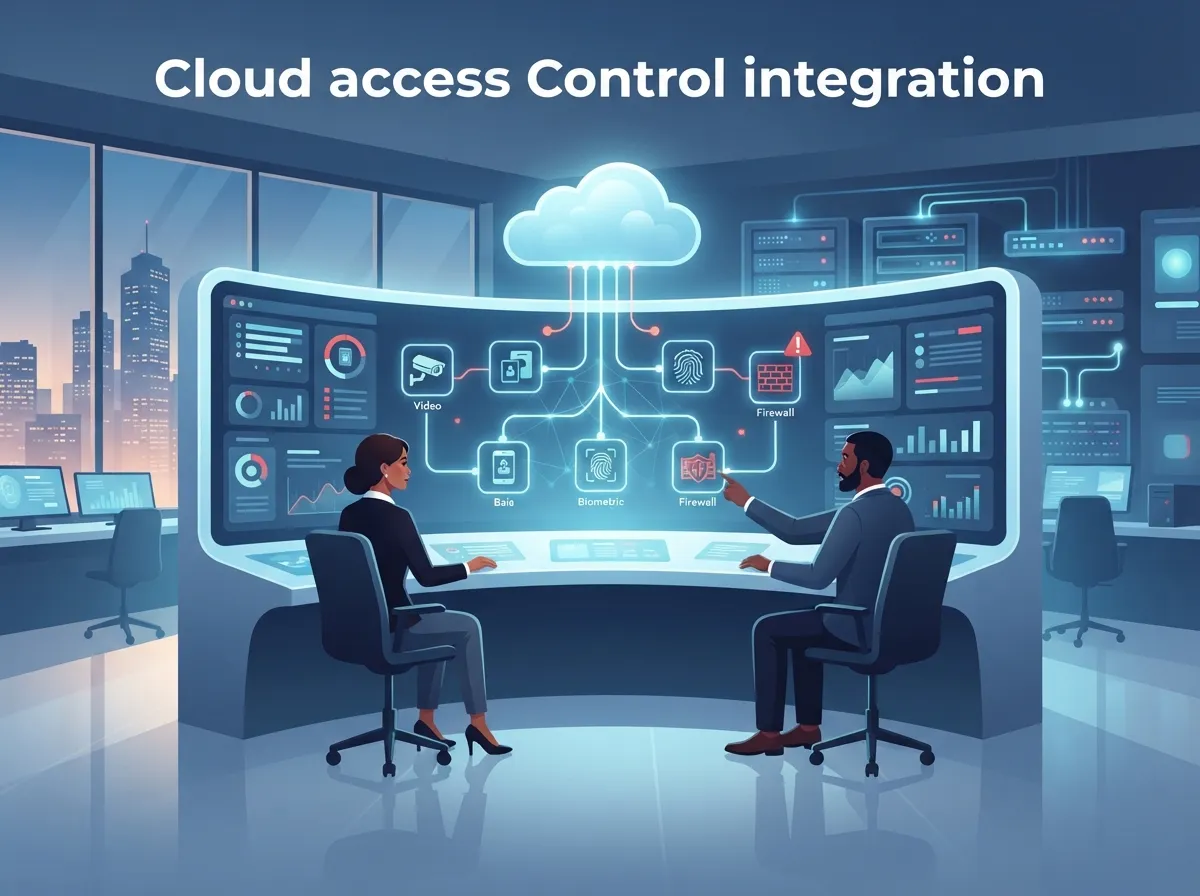
What Is Cloud Access Control Integration, Really?
Cloud access control integration connects your building’s doors, readers, and locks to your business phone and IT systems through the cloud. Instead of a clunky on-site server in a closet, everything lives in a secure cloud platform you can manage from anywhere. It ties together door controllers, video intercoms, security cameras, and even your HR software into one connected system.
For businesses using VoIP phones and unified communications, this means your access control system can actually “talk” to your phone system. A visitor calls in through an intercom, that call rings on a softphone or desk phone, and staff can unlock the door remotely. It’s simple, smart, and saves everyone a headache.
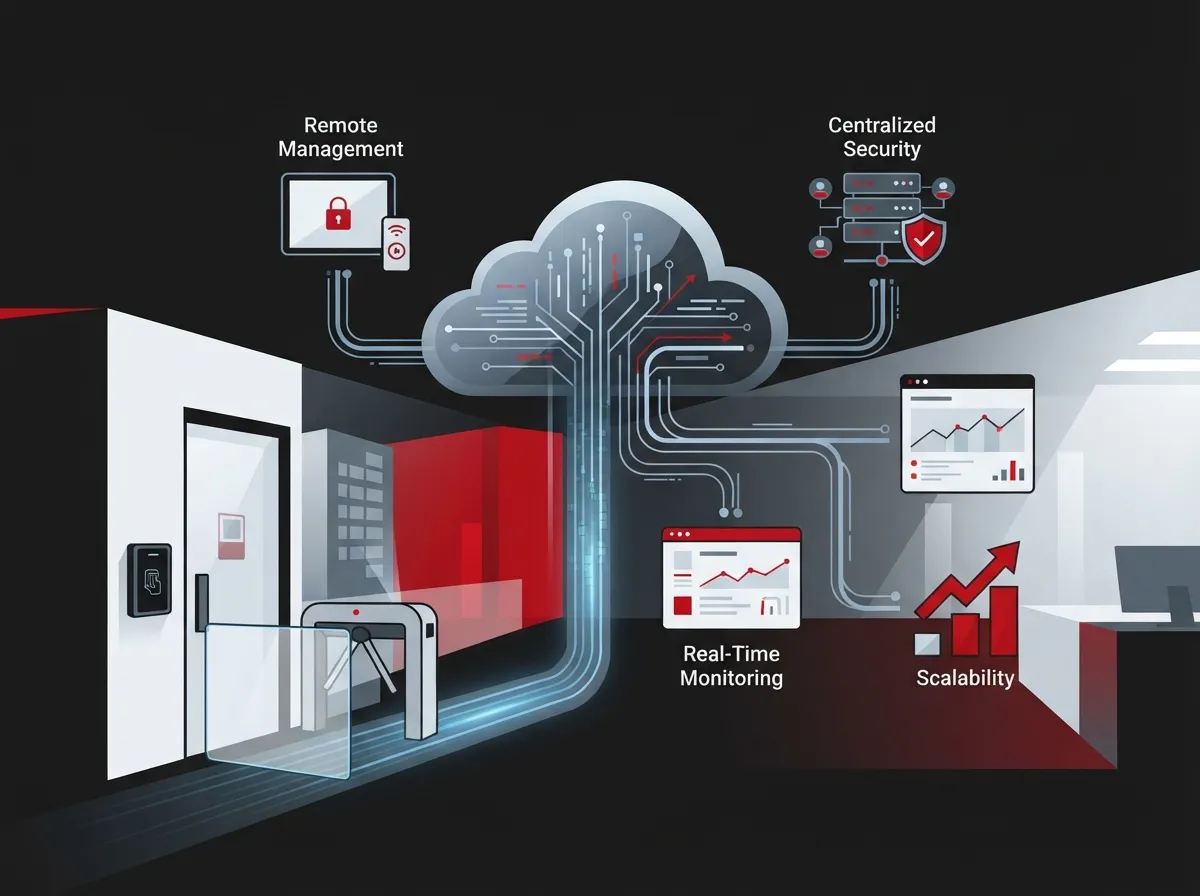
14 Ways Cloud Access Control Integration Helps Your Business
Let’s break down the real, practical wins you get when you connect cloud access control with your telecom systems. These aren’t just tech buzzwords, they’re everyday improvements that make life easier for your team.
1. Visitor Calls Route Straight to Your Phone System
SIP-based video intercoms let a visitor press a button and call directly into your existing phone system. The call can land on a receptionist’s desk phone, a softphone app, or even a mobile app if your team is out and about.
2. Remote Door Unlocking From Anywhere
Once verified, staff can unlock the door right from their phone or computer. This is a huge win for offices without a dedicated front desk person all day long.
3. Automatic Employee Access Updates
When access control connects to your HR system or identity provider, new hires get access automatically. When someone leaves the company, their access disappears just as fast. No more hunting down old key cards.
4. Centralized Management Across Multiple Locations
Franchise operators and multi-site businesses can manage every door, every camera, and every phone system from one dashboard. This is a game-changer for anyone managing several Tampa Bay locations or sites nationwide.
5. Better Coordination With Video Surveillance
When access control integrates with your cloud security cameras, you can pull up footage tied to a specific door event. Someone badges in at 2 a.m.? You can see exactly who it was in seconds.
6. Microsoft Teams and Collaboration Tool Integration
Many cloud platforms now support integration with Microsoft Teams and other collaboration apps. That means a visitor call could ring directly in a Teams channel or a staff member’s Teams app, not just a traditional phone.
7. Faster Incident Response
If an alarm triggers, integrated systems can immediately alert the right person, pull up the nearest camera, and even start a call to that location. This shortens response time when it matters most.
8. Simplified IT Management
IT managers no longer need to babysit an on-premises server for access control. Updates, patches, and monitoring happen in the cloud, freeing up time for other projects.
9. Scalable Growth for Franchise Operators
Adding a new location doesn’t mean starting from scratch. Cloud platforms make it easy to replicate access policies and phone routing across new sites in days, not months.
10. Mobile Credentials Instead of Physical Keys
Employees can use their smartphones as access badges. This pairs nicely with mobile-first VoIP apps, giving staff one device for calls and building access.
11. Audit Trails for Compliance
Every door event, call, and access change gets logged automatically. This is huge for healthcare, finance, and other regulated industries needing clear records.
12. Emergency Lockdown Coordination
Integrated systems can trigger a facility-wide lockdown and simultaneously notify staff through phone calls, texts, or intercom announcements, all from one command.
13. Reduced Manual Front-Desk Work
Office managers save hours each week when visitor check-ins, door releases, and call routing happen automatically instead of manually.
14. One Vendor Relationship Instead of Many
Perhaps the biggest win: working with one telecom and IT partner who handles phones, internet, cabling, cameras, and access control together. This is exactly the kind of single point of contact that Ideal Solutions Provider offers to businesses across Tampa and nationwide.
How the Technology Actually Connects Behind the Scenes
You don’t need to become a network engineer to understand the basics. But knowing the pieces helps you ask better questions when choosing a provider.
The Core Building Blocks
- Network-connected door readers and controllers at each entry point
- A secure cloud management platform that stores settings and events
- APIs and webhooks that send data between access control, phones, and video systems
- SIP-based intercoms that ring your existing phone system
- Identity and HR system connections for automatic user updates
Common Protocols and Tools Used
Vendors use several methods to connect systems together. REST APIs, webhooks, streaming APIs, and MQTT are common choices for syncing users, door states, and alarms. According to PDK’s developer documentation, modern integrations can control doors, receive live events, and sync entire user databases with other business platforms. That said, capabilities vary a lot depending on the manufacturer and product tier you choose.
Comparing Integration Approaches: On-Premises vs Cloud
| Feature | On-Premises Access Control | Cloud Access Control Integration |
|---|---|---|
| Management | Local server, on-site only | Remote dashboard, accessible anywhere |
| Multi-site control | Difficult, separate systems per site | Centralized, one login for all locations |
| Phone system integration | Limited or manual | Native SIP/VoIP call routing |
| Updates | Manual, on-site technician needed | Automatic cloud updates |
| Scalability | Slow, hardware-dependent | Fast, software-driven |
What the Market Data Tells Us
Cloud access control isn’t a niche trend anymore, it’s growing fast. One 2025 market estimate from MarketIntelo valued the global cloud access control market at roughly $12.4 billion, projecting growth to $47.8 billion by 2034, a 14.8% annual growth rate. A separate MarketIntelo estimate put the market at $12.8 billion in 2025, forecasting $49.2 billion by 2034 at a 17.2% CAGR. These numbers differ because researchers define “cloud access control” differently, so it’s smart to treat these as directional trends rather than exact totals.
A few more interesting data points from that same research:
- Software made up about 45.2% of cloud access control revenue in 2025
- Public-cloud deployments accounted for roughly 52.1% of the market
- Mobile access credentials held about 34.7% of access-type share, showing more businesses trust smartphones over key cards
- Commercial organizations represented approximately 32.1% of total spending in this space
Steps to Plan a Successful Integration
Ready to bring cloud access control and your telecom systems together? Here’s a simple roadmap to follow.
- Audit your current phone system, network, and door hardware for compatibility
- Check your network bandwidth, PoE capacity, and Quality of Service settings
- Confirm firewall rules and set up network segmentation for security devices
- Choose a cloud platform with strong API support for your phone system
- Set up cellular backup in case your main internet connection goes down
- Integrate your HR or identity system for automatic user provisioning
- Test emergency lockdown and egress procedures before going live
- Train your team on new call routing and remote unlock features
- Schedule regular reviews of access permissions and system logs
If your current structured cabling can’t support new devices, that’s worth addressing early. Reliable structured cabling is the backbone that keeps cameras, phones, and access readers running smoothly together.
Security Basics You Shouldn’t Skip
Cloud access control is powerful, but it’s also security-critical. Treat it that way from day one.
- Use least-privilege permissions so people only access what they need
- Require multifactor authentication for system administrators
- Keep credential lifecycle management tight, especially for former employees
- Review vendor security practices before signing any contract
- Patch software regularly and keep detailed audit logs
- Test your outage procedure so doors still work if the internet drops
Speaking of internet reliability, pairing your access control with strong high-speed internet for business and backup connectivity keeps everything running even during outages.
Choosing the Right Telecom Partner for Integration
This is where things get personal. You want a partner who understands phones, networks, cabling, and access control, not just one piece of the puzzle. Here’s what to look for:
- Experience working across multiple vendors and platforms
- A track record of successful multi-site deployments
- Transparent pricing without hidden fees
- Ongoing support after installation, not just a one-time setup
- Ability to compare options instead of pushing one brand
With over 24 years of experience and partnerships with 35+ vetted suppliers, Ideal Solutions Provider serves as a single point of contact for businesses handling everything from consultation to ongoing support. Many companies discover they’re overpaying or underperforming with their current setup, something worth checking through a free audit.
Real Business Scenarios Where This Shines
Let’s make this concrete with a few everyday examples.
- A medical office uses SIP intercoms so front-desk staff can verify patients before unlocking doors
- A franchise chain manages access permissions across 12 locations from one dashboard
- A manufacturing plant links door badges to HR software so contractor access expires automatically
- An office manager reviews cloud video tied to a door alarm without calling IT for help
These aren’t hypothetical, they’re happening right now across industries like healthcare, education, and professional services. You can see more real examples on our YouTube channel or follow updates on Facebook.
Wrapping It Up: Your Next Move
Cloud access control integration isn’t just a fancy tech upgrade, it’s a practical way to save time, tighten security, and simplify how your team manages buildings and calls together. Whether you’re running one Tampa office or a dozen franchise locations nationwide, connecting your doors, phones, and cameras into one system just makes sense. The businesses that get ahead of this trend now will spend less time fighting technology and more time focused on what they do best. If you’re ready to see how this could work for your business, reach out to our team for a friendly, no-pressure consultation, or simply give us a call to talk through your options today.
FAQs
Q: What is cloud access control integration in business telecom?
A: It’s the connection between cloud-managed doors, readers, and cameras with your business phone and IT systems. Think of it as your building security and your phone system finally talking to each other, making everything from visitor calls to remote unlocking a breeze.
Q: Can an IP video intercom call a receptionist’s desk phone or softphone?
A: Yes, absolutely! SIP-based intercoms are built to ring directly into your existing phone system, whether that’s a desk phone, softphone app, or even a mobile app. It’s one of the most popular features businesses love once they see it in action.
Q: What happens to doors and credentials if the internet or cloud service goes down?
A: Good systems include local failover, meaning doors can still function using cached credentials even during an outage. This is exactly why cellular backup and a solid network plan matter so much when setting things up.
Q: How does access control integrate with HR and identity management systems?
A: Cloud platforms can automatically sync with your HR software or identity provider, granting new hires access instantly and removing access the moment someone leaves. It saves your office manager from manually updating permissions every time staff changes happen.
Q: How should businesses choose a telecom provider for cloud access control integration?
A: Look for a partner with real experience across phones, networking, and security, not just one specialty. A provider who compares multiple vendors and offers ongoing support, like a trusted local telecom partner, will save you headaches down the road.