Key Takeaways
-
Map out all users by role, devices, and resources needing protection before implementing any software—skipping this foundational step is one of the biggest setup mistakes businesses make.
-
Implement multi-factor authentication (MFA) and continuous monitoring for all sensitive access points; this is a baseline requirement, not optional, and prevents stolen passwords from compromising your system.
-
Choose between RBAC for simple role-based access (best for small teams), ABAC for attribute-based complexity (better for multi-location businesses), or a hybrid approach based on your company size and needs.
-
Apply zero-trust principles by validating every access request explicitly, limiting permissions to what users actually need (least privilege), and continuously monitoring for unusual behavior across all systems.
-
Use microsegmentation to divide your network into separate zones so a breach in one area—like your camera system—cannot spread to other critical systems like your VoIP platform.
-
Conduct quarterly permission reviews, monthly log checks for unusual login patterns, and regular staff training to maintain security long-term, since ongoing maintenance is equally important as initial setup.
Setting up cloud access control can feel like a big project, but it doesn’t have to be stressful. Whether you run a small office in Tampa or manage a growing company with several locations, keeping the wrong people out (and the right people in) matters more than ever. Cloud access control lets you manage doors, systems, and even network permissions from one simple dashboard, without a bunch of clunky hardware or guesswork.
Here’s the good news: you don’t need to be a tech wizard to get this right. In this guide, we’ll walk through exactly how to set up cloud access control the smart way, using proven zero trust principles that protect your business from every angle. We’ll cover everything from picking the right access model to keeping an eye on things after installation. Grab a coffee, and let’s make your building (and your network) a whole lot safer.

What Is Cloud Access Control, Really?
Cloud access control is a system that decides who can get into your building, your telecom portals, or your network resources, all managed through the internet instead of an old-school on-site server. Think of it as a smart bouncer that checks IDs before letting anyone through the door, whether that door is physical or digital.
In the telecom world, this idea stretches beyond just locking doors. It also covers who can log into your VoIP admin portal, who can touch your network settings, and which devices are allowed to connect. According to NIST SP 800-207A, published in 2023 and updated in 2026, this kind of access control needs to work across multi-cloud and distributed systems, not just one office network.
Why Zero Trust Matters Here
Zero trust simply means: don’t trust anyone automatically, even people already inside your network. Every request to access something gets checked, every time. This might sound strict, but it’s actually what keeps small mistakes from turning into big security headaches.
- Every user, device, and app must prove who they are before getting access
- Access is limited to only what someone actually needs (this is called least privilege)
- Systems constantly watch for weird behavior, not just at login
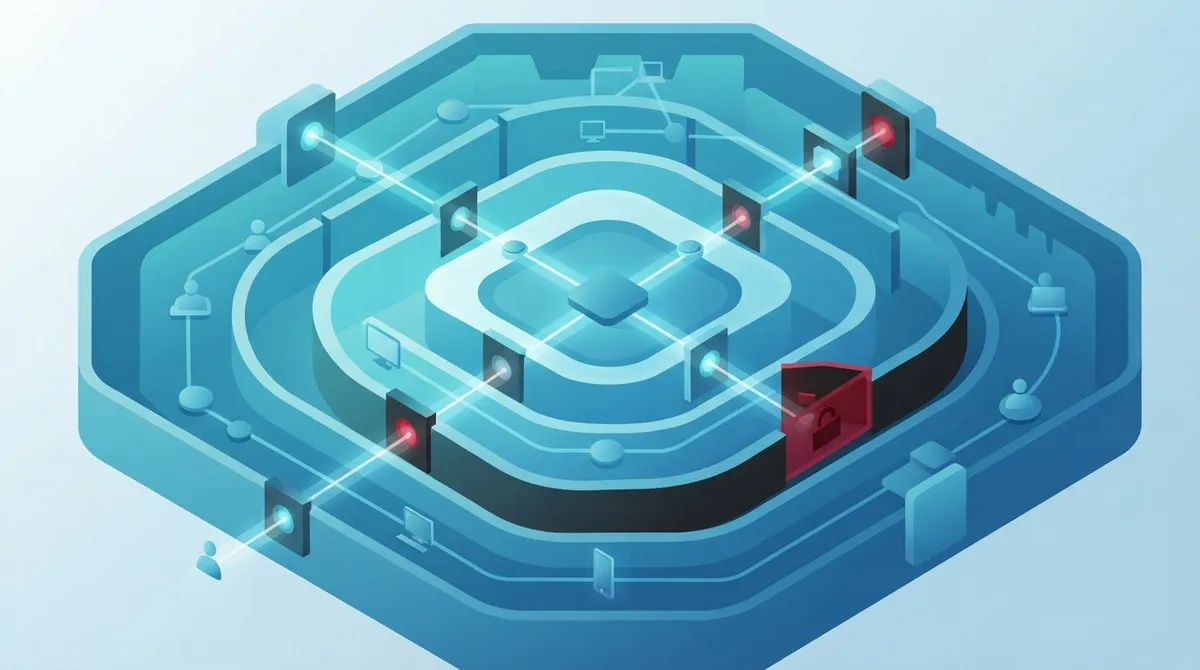
- Network segments are separated so one breach doesn’t spread everywhere
Google Cloud’s zero-trust guidance puts it simply: validate every request explicitly and keep checking, rather than trusting someone just because they got in once.

3 Steps to Set Up Cloud Access Control
Ready for the fun part? Here’s a simple, three-step roadmap that works whether you’re securing one office or a franchise with locations across the country.
Step 1: Map Out Who Needs Access to What
Before you touch any software, sit down and list every person, device, and system that needs access to something. This includes employees, contractors, vendors, and even automated systems like your phone platform or security cameras.
- List all users by role (manager, front desk, IT, remote staff)
- Identify every door, portal, and system that needs protection
- Decide which resources are “high risk” versus “low risk”
- Note which devices will connect (laptops, phones, tablets, badge readers)
This step feels tedious, but it saves you tons of headaches later. Skipping it is one of the biggest mistakes businesses make when rolling out new systems, right up there with the mistakes covered in this list of cloud phone system mistakes Tampa small businesses make.
Step 2: Choose Your Access Control Model
Next, you’ll pick how permissions get assigned. Most telecom-focused businesses choose between two popular models: role-based access control (RBAC) and attribute-based access control (ABAC).
| Model | How It Works | Best For |
|---|---|---|
| RBAC (Role-Based) | Access is tied to a job role, like “office manager” or “IT admin” | Smaller teams with clear job roles |
| ABAC (Attribute-Based) | Access depends on multiple factors: time, location, device, department | Larger companies with complex needs |
| Hybrid Approach | Combines both models for flexibility | Multi-location franchises and enterprises |
Most small businesses do great with RBAC because it’s simple and easy to manage. Mid-sized companies and franchises often benefit from ABAC or a hybrid setup, especially when different locations have different rules. If you’re not sure which fits, our team can walk you through it, just reach out to our team for a free consultation.
Step 3: Turn On Multi-Factor Authentication and Monitoring
This is the step people love to skip, and it’s the one that matters most. Multi-factor authentication (MFA) means someone needs more than just a password to get in, like a code sent to their phone or a fingerprint scan.
- Require MFA for anyone accessing sensitive portals or building doors
- Set up real-time alerts for failed login attempts or unusual access times
- Turn on logging so you can review who accessed what and when
- Schedule regular audits to catch outdated permissions
Industry guidance consistently treats MFA and continuous monitoring as baseline requirements, not extra features you can skip. A 2025 telecom security publication on zero trust for 5G and cloud-native operators notes that authentication, authorization, and continuous validation must apply across every user, device, and workload, not just human logins.
Cloud Access Control vs Network Access Control: What’s the Difference?
These two terms get mixed up all the time, so let’s clear it up. Cloud access control usually refers to managing who can enter buildings or access cloud-based platforms and portals. Network access control (NAC) focuses specifically on which devices are allowed onto your business network.
| Feature | Cloud Access Control | Network Access Control (NAC) |
|---|---|---|
| Main Focus | Doors, portals, cloud apps | Devices connecting to the network |
| Managed From | Cloud dashboard | On-site or cloud-based NAC server |
| Typical Use | Office entry, admin portals | Laptops, phones, IoT devices |
According to Portnox’s 2026 guidance on network access control, NAC authenticates and authorizes devices before they’re allowed onto the network, which pairs nicely with cloud access control for a complete security setup. Many businesses use both together for full coverage, especially when paired with solid business network setup and installation.
3 Common Mistakes to Avoid During Setup
Even well-meaning teams stumble during rollout. Here are the top three mistakes we see most often, and how to sidestep them.
- Giving everyone admin access “just in case” – This defeats the whole purpose of least privilege. Only give people what they actually need for their job.
- Forgetting about remote and mobile devices – If your team works from home or uses phones for VoIP calls, those devices need protection too.
- Skipping regular audits – Permissions change as people join, leave, or switch roles. Without audits, old access sticks around longer than it should.
Getting this right the first time saves a lot of cleanup later. If you’re also updating your cloud-based phone system at the same time, it’s smart to plan both projects together so your login policies stay consistent across platforms.
How Microsegmentation Fits Into the Picture
Microsegmentation sounds fancy, but the idea is simple: split your network into smaller sections so a breach in one area can’t spread everywhere else. Picture a building with fire doors between sections. If a fire starts in one room, it doesn’t burn the whole building down.
For telecom environments, this might mean separating your VoIP system, your security cameras, and your general office network into different zones. That way, if someone breaches your camera system, they can’t automatically jump into your phone platform or customer data. This is especially useful for scalable access control systems for multi-location businesses managing several sites at once.
Who Should Handle This Setup?
You’ve got a few options here, and each one fits different types of businesses.
- Small business owners often benefit from a managed setup, since juggling telecom, internet, and security alone eats up valuable time
- IT managers may want a single vetted partner instead of coordinating five different vendors
- Office managers usually prefer simple dashboards that don’t require deep technical training
- Franchise operators need systems that scale easily across multiple locations without starting from scratch each time
- Mid-sized enterprises typically need more robust monitoring and audit trail features built in from day one
This is exactly where a company like Ideal Solutions Provider comes in handy. With over 24 years of experience and partnerships with 35+ vetted suppliers, they act as your single point of contact, handling everything from the initial consultation to installation and ongoing support. No juggling five vendors, no confusing contracts, just one team that knows your setup inside and out.
Keeping Your System Secure Long-Term
Setting things up correctly is only half the job. Ongoing maintenance keeps your cloud access control working the way it should.
- Review user permissions every quarter, or after any staff changes
- Update MFA methods as new options become available
- Check logs monthly for unusual login patterns
- Test your system after any network or telecom upgrades
- Train staff on why access rules exist, not just how to follow them
Continuous monitoring matters because threats can move sideways across distributed systems, jumping from one weak spot to another. Regular check-ins catch problems early, before they become expensive fixes. This pairs well with solid cloud-based access control systems designed specifically for growing businesses.
A Quick Look at the Tools You’ll Need
Here’s a simple breakdown of what typically goes into a cloud access control setup, so you know what to expect during installation.
| Component | Purpose |
|---|---|
| Cloud dashboard | Central place to manage all permissions remotely |
| Mobile credentials | Employees use phones instead of physical badges |
| MFA app or hardware key | Adds a second layer of identity verification |
| Door readers or controllers | Physical hardware connected to the cloud system |
| Monitoring and alert software | Flags unusual access attempts in real time |
Good structured cabling also plays a bigger role than most people realize. Reliable wiring supports your door controllers, cameras, and network gear, so it’s worth checking your current cabling setup before installing new access control hardware.
Bringing It All Together
Setting up cloud access control doesn’t have to feel overwhelming. Map out who needs access, pick the right model for your business size, and turn on MFA plus continuous monitoring. Those three steps alone put you ahead of a huge number of businesses still relying on outdated, one-size-fits-all security.
Remember, this isn’t a one-and-done project. Regular reviews, staff training, and staying current with your Internet Service Provider and network setup all keep your system strong over time. And if you ever want a second opinion on your current setup, our team loves digging in and finding ways to save you money while boosting security.
Feeling ready to take the next step? We’d genuinely love to help you build a cloud access control system that fits your business perfectly, no confusing jargon, no pushy sales pitch, just honest advice from people who’ve done this for over two decades. Contact us today for a free consultation, or give us a call to chat about what your business actually needs. You can also follow along on Facebook, Instagram, or YouTube for more tips on keeping your business connected and secure.
FAQs
Q: How do you set up cloud access control for a telecom business?
A: Start by mapping out who needs access to what, then choose between RBAC, ABAC, or a hybrid model that fits your business size. From there, turn on multi-factor authentication and continuous monitoring so every login gets checked, not just the first one.
Q: What is the difference between cloud access control and network access control in telecom?
A: Cloud access control usually manages doors, portals, and cloud-based systems, while network access control focuses on which devices get onto your network. Many businesses use both together for the most complete protection possible.
Q: Should telecom companies use RBAC or ABAC for cloud access control?
A: It really depends on your size! Smaller businesses often do great with RBAC since it’s simple and role-based, while larger or multi-location companies usually benefit from ABAC’s flexibility across departments and locations.
Q: How does multi-factor authentication fit into cloud access control setup?
A: MFA adds a second layer of verification, like a code sent to your phone, so a stolen password alone can’t get someone into your system. It’s one of the easiest and most effective upgrades you can make right away.
Q: What is microsegmentation in telecom cloud security?
A: Microsegmentation splits your network into smaller, separated zones so a breach in one area can’t spread to everything else. Think of it like fire doors in a building, keeping trouble contained instead of letting it spread freely.