Key Takeaways
-
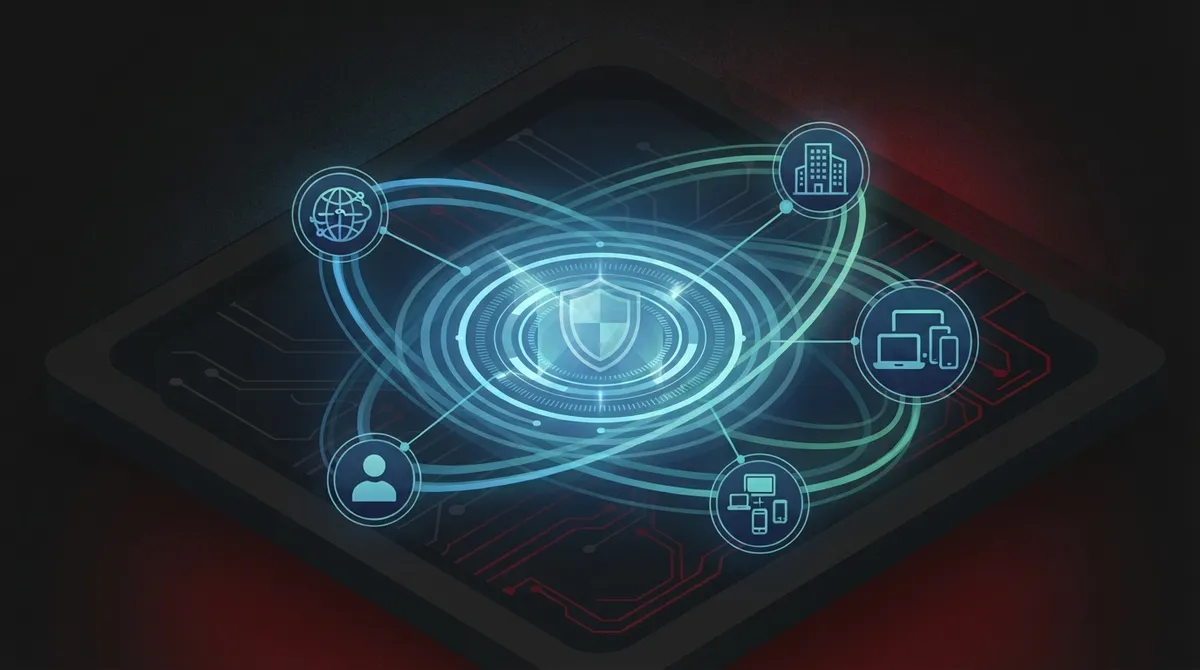
Cloud access control consolidates physical building security and identity/network access into one remote dashboard, eliminating the need for on-site servers and manual updates across multiple locations.
-
Zero Trust security built into enterprise cloud access control verifies every user, device, and access request in real-time—protecting your business even if passwords are stolen or old employees retain app access.
-
CASB tools and ZTNA frameworks enable secure remote worker access with consistent security policies across all devices and locations, reducing VPN slowdowns while maintaining full audit visibility.
-
Automated audit trails and compliance reporting eliminate manual record-keeping, allowing businesses to pull detailed access reports in minutes and meet industry regulations without extra work.
If you’re juggling multiple office locations, remote workers, and a growing list of apps your team logs into every day, you already know the headache. Keeping doors locked and data safe used to mean separate systems, separate logins, and separate headaches. The good news? Enterprise cloud access control brings all of that under one roof, and it’s easier to manage than you might think. Grab a coffee, and let’s walk through what this really means for your business.
Whether you’re protecting a warehouse door in Tampa or making sure only the right people can touch sensitive files from a laptop in another state, cloud access control has your back. It combines smart building security with modern identity management, so your IT team isn’t stuck babysitting servers or chasing down lost key cards. We’ll break down five real wins, plus the questions business owners ask us most often at Ideal Solutions Provider, where we’ve spent over 24 years helping businesses simplify their telecom and security setups.
What Is Enterprise Cloud Access Control, Really?
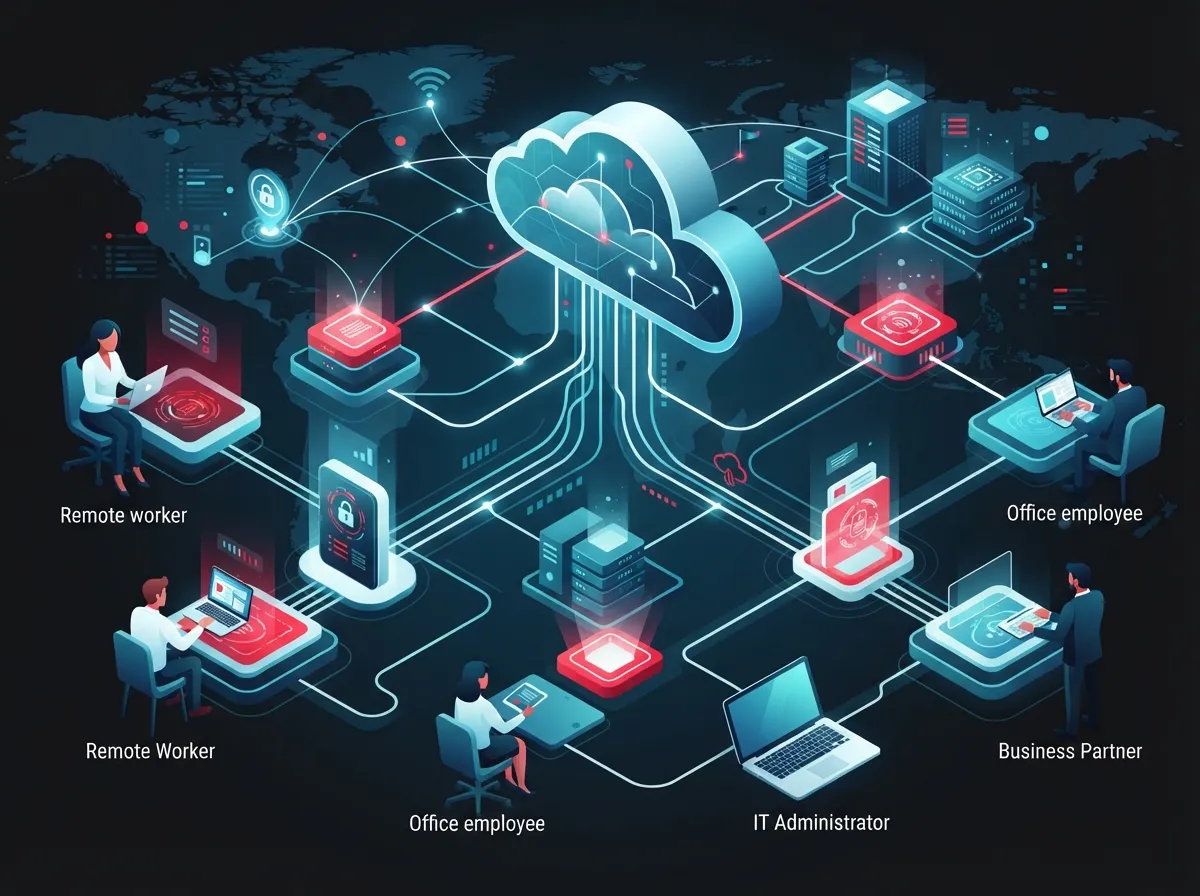
Enterprise cloud access control is a fancy way of saying you can manage who gets in, and who gets access, from anywhere. Instead of a locked-down server room full of wires and boxes, everything lives in the cloud. You log into a web dashboard, and you’re in control.
This idea covers two big areas businesses care about today:
- Physical access control for buildings, like doors, gates, and secure areas
- Identity and access control for your network, apps, and cloud services
Both are managed remotely, updated instantly, and built to scale as your business grows. For companies with several locations, this is a total game changer compared to old on-site systems that required someone to physically show up and fix things.
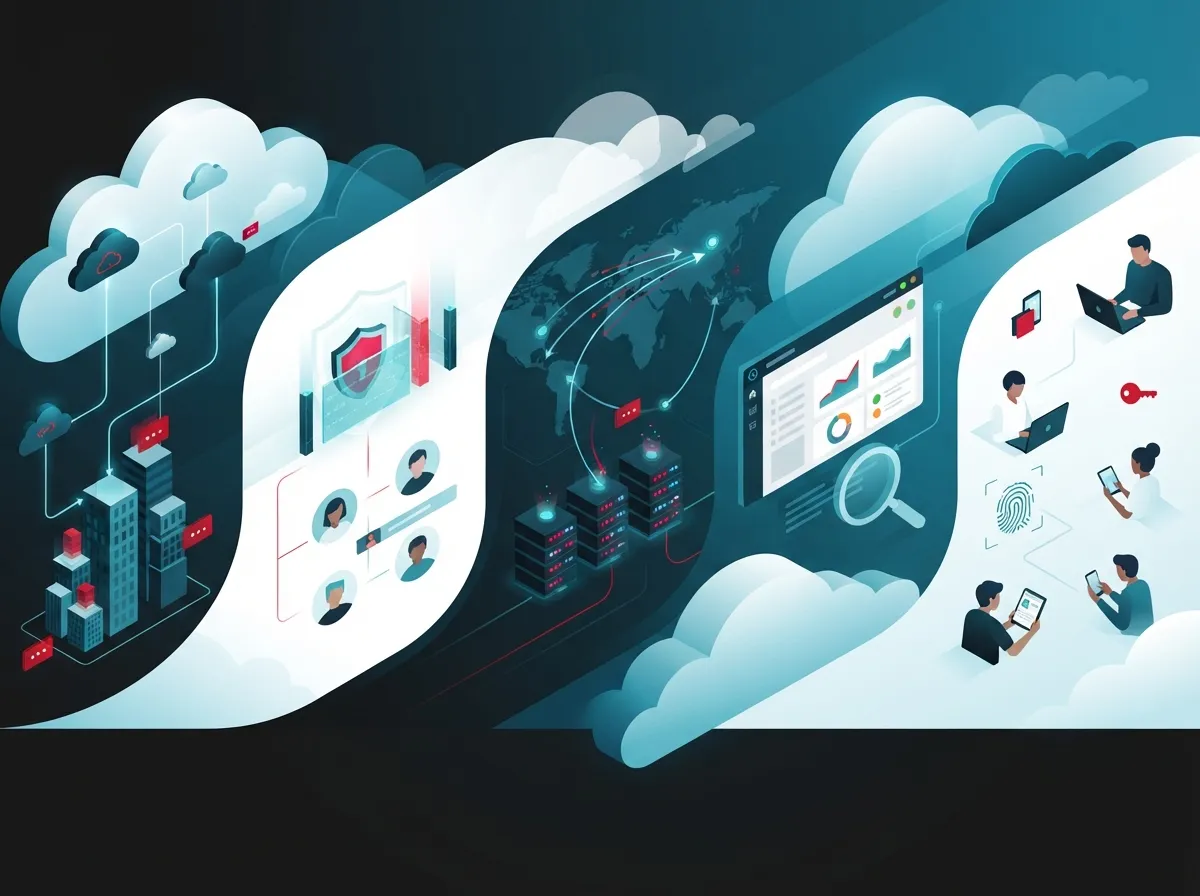
5 Enterprise Cloud Access Control Wins Every Growing Business Should Know
1. Centralized Management Across Every Location
Managing access one building at a time is exhausting. Cloud access control lets you see and control every door, every user, and every schedule from a single screen. This matters a lot for multi-location businesses and franchise operators who need consistency across sites.
Here’s what centralized control usually includes:
- One dashboard for all buildings and doors
- Real-time updates when you add or remove a user
- Instant reports for every location, no travel needed
- Simple scaling from one site to hundreds
If you run a franchise or a company with several Tampa Bay offices, this alone can save you hours every week.
2. Zero Trust Security Built Right In
You’ve probably heard the term Zero Trust floating around. It sounds technical, but the idea is simple: don’t trust anyone automatically, even if they’re already inside your network. Every user, every device, and every access request gets checked, every time.
Enterprise cloud access control platforms use Zero Trust principles to:
- Verify user identity before granting access
- Check the device being used for red flags
- Look at context, like location or time of day
- Apply the right level of access, not full access, to every user
This approach protects your business even if a password gets stolen or an old employee still has an app installed on their phone.
3. Smarter Remote Worker Access
Remote and hybrid teams need secure access to company systems without opening the door to trouble. Telecom providers now bundle access control into bigger security frameworks like SASE and ZTNA, which stands for Zero Trust Network Access. These frameworks centralize policy enforcement no matter where your employees are working from.
Benefits for remote teams include:
- Secure login from any device, anywhere
- Consistent security rules across office and home networks
- Fewer VPN headaches and slowdowns
- Better visibility for IT managers into who accessed what, and when
This matters more every year as remote work becomes a permanent fixture for many companies, not just a temporary fix.
4. CASB Tools for Cloud App Protection
Your team probably uses a dozen cloud apps daily, from email to file storage to CRM tools. A Cloud Access Security Broker, or CASB, sits between your users and those cloud services. Think of it as a security checkpoint watching everything that moves in and out.
CASB solutions typically help with:
- Visibility into who’s using which cloud apps
- Threat protection against suspicious activity
- Data governance across SaaS, PaaS, and IaaS platforms
- Policy enforcement that matches your company’s rules
For IT managers juggling dozens of vetted suppliers and platforms, a CASB brings order to what could otherwise be total chaos.
5. Easier Compliance and Audit Trails
If your business deals with sensitive data, healthcare records, financial info, or government contracts, compliance isn’t optional. Cloud access control makes audits far less painful because every access event gets logged automatically.
This means you can:
- Pull detailed reports in minutes, not days
- Show auditors exactly who accessed what and when
- Spot unusual access patterns before they become real problems
- Meet industry regulations without extra manual work
Office managers and compliance teams especially appreciate this. No more digging through paper logs or guessing who had a key card back in March.
Cloud Access Control vs. Traditional On-Prem Systems
Still wondering if switching is worth it? Here’s a side-by-side look at how cloud access control stacks up against the old-school approach.
| Feature | Traditional On-Prem Access Control | Enterprise Cloud Access Control |
|---|---|---|
| Management | On-site server required | Managed remotely via web dashboard |
| Updates | Manual, often delayed | Real-time, automatic |
| Scalability | Difficult across multiple sites | Built to scale easily |
| Remote Access | Limited or none | Full remote control |
| Maintenance | Requires on-site IT visits | Handled through cloud updates |
| Reporting | Manual, time-consuming | Instant reports and audit trails |
Key Security Frameworks Behind Cloud Access Control
You’ll hear a few acronyms thrown around when telecom providers talk about enterprise security. Here’s a quick breakdown so you can follow the conversation without feeling lost.
| Term | What It Does |
|---|---|
| SASE | Combines networking and security into one cloud-delivered framework |
| ZTNA | Grants access based on identity and context, not network location |
| CASB | Enforces policy between users and cloud apps for visibility and protection |
| Zero Trust | Never trusts a user or device automatically, always verifies first |
How to Choose the Right Cloud Access Control Setup
Not every business needs the exact same setup. Here’s a simple process to figure out what fits your company best.
- Start with an audit of your current access points and identity systems
- List every location, door, and cloud app that needs protection
- Decide if you need physical access control, identity access control, or both
- Look for platforms that support Zero Trust and mobile credentials
- Choose a provider who can handle installation and ongoing support
- Test the system with a small group before rolling it out company-wide
This is exactly the kind of audit our team walks businesses through every day. We’ve found that 9 out of 10 companies we review are overpaying, underperforming, or both when it comes to their telecom and security setup.
Who Benefits Most From Enterprise Cloud Access Control?
This technology isn’t just for giant corporations. Here’s who gets the biggest wins:
- Mid-sized enterprises managing several offices and needing centralized control
- Franchise operators scaling across Tampa Bay and beyond
- IT managers who want one vetted partner instead of a dozen vendors
- Office managers looking for hassle-free daily operations
- Small business owners who want enterprise-level protection without enterprise-level complexity
No matter your size, the goal is the same: keep your people, your data, and your buildings safe without adding extra work to your plate.
Bringing It All Together With the Right Telecom Partner
Enterprise cloud access control works best when it’s part of a bigger, connected system. That means your phone lines, internet, cabling, network, and security cameras all need to talk to each other smoothly. This is where working with a single telecom partner really pays off, instead of juggling calls with five different vendors every time something breaks.
At Ideal Solutions Provider, we’ve spent over two decades helping Tampa businesses and companies nationwide pull all of this together. We partner with 35+ vetted suppliers, so you get honest comparisons instead of a sales pitch. Our team handles everything from the first consultation to installation and ongoing support, including cloud based access control systems built for businesses just like yours.
Curious how structured cabling ties into your security setup? Check out this deep dive on structured cabling and how it supports modern access control and camera systems. And if you’re comparing internet providers to make sure your network can handle cloud-based security tools, this guide on choosing the right Internet Service Provider is a solid place to start.
Final Thoughts on Enterprise Cloud Access Control
Switching to enterprise cloud access control isn’t about chasing the latest trend. It’s about giving your business real peace of mind, whether that’s locking down a single Tampa office or managing security across a dozen franchise locations nationwide. Centralized control, Zero Trust protection, remote worker support, CASB tools, and easier compliance all add up to less stress for you and your team.
You don’t have to figure this out alone. Our team at Ideal Solutions Provider loves helping business owners, IT managers, and office managers find the right fit, without the sales pressure. If you’re ready to see how your current setup measures up, reach out to our team for a free consultation, or simply give us a call to talk through your options. We’re here, we’re friendly, and we genuinely want to help your business run smoother. You can also follow our latest updates and tips on Facebook, Instagram, or YouTube.
FAQs
Q: What is enterprise cloud access control in telecom?
A: It’s a way to manage building security and network access through the cloud instead of on-site servers. You get one dashboard to control doors, users, and cloud app access from anywhere, which makes life a whole lot easier for growing businesses.
Q: How does cloud-based access control differ from traditional on-prem access control?
A: Traditional systems need a physical server on-site and manual updates, while cloud systems let you manage everything remotely with real-time changes. Think of it like upgrading from a flip phone to a smartphone. Same basic job, way more convenience.
Q: What is the difference between CASB, ZTNA, and SASE?
A: CASB protects your cloud apps by monitoring activity and enforcing policies, ZTNA verifies every access request before granting entry, and SASE bundles networking and security together in one cloud framework. They often work as a team to keep your business protected.
Q: How do telecom companies use cloud access control for remote workers?
A: They apply Zero Trust checks so remote employees get verified every time they log in, no matter where they’re working. This keeps company data safe even when your team is spread across different cities or working from home.
Q: What are the benefits of cloud-managed physical access control for multi-site businesses?
A: You get one dashboard for every location, instant updates when staff changes happen, and reports available in seconds instead of days. It’s a huge relief for franchise operators and mid-sized companies managing several Tampa Bay locations or sites nationwide.