
Key Takeaways
-
Network segmentation using VLANs keeps surveillance cameras separate from guest Wi-Fi and POS systems, protecting payment data from backdoor attacks and ensuring smooth video feeds without bandwidth competition.
-
Hybrid systems that record locally and to the cloud provide continuous coverage during Tampa's frequent internet outages and storms, offering the best combination of remote access and reliability.
-
Cloud-based video management allows remote monitoring from any device and simplifies multi-location franchise oversight through one centralized app, cutting down manager phone calls and enabling early problem detection.
-
Florida law prohibits audio recording without all-party consent under Statute §934.03, so most Tampa restaurants wisely disable camera microphones to avoid serious legal penalties.
-
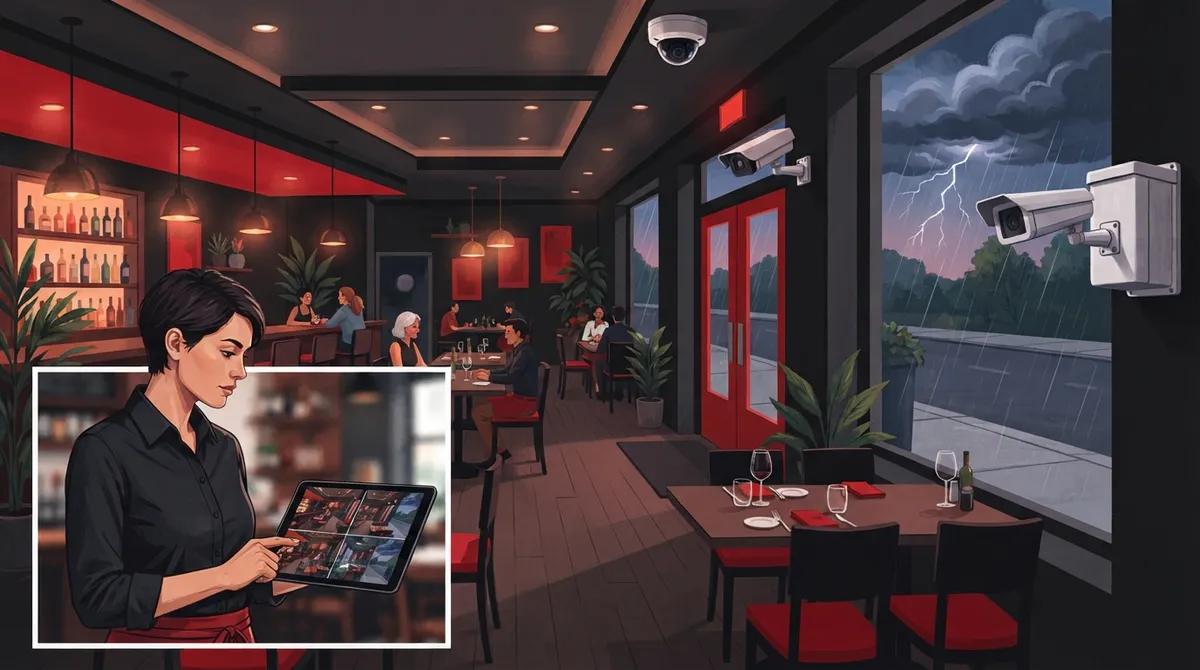
Outdoor cameras must include weatherproof housing, infrared night vision, wide dynamic range, surge protection, and battery backup to withstand Florida's heat, humidity, lightning, and power outages.
-
A professional site assessment from a telecom partner prevents overpaying for unneeded features or underbuying and needing costly upgrades, ensuring your system fits your restaurant's actual needs and budget.
Running a restaurant in Tampa means juggling a hundred things at once. Between managing staff, keeping customers happy, and watching your bottom line, security cameras might feel like just one more thing on your to-do list. But here’s the good news: the right restaurant surveillance system can actually make your life easier, not harder. It protects your cash register, keeps an eye on your kitchen, and gives you peace of mind whether you’re on-site or halfway across town. If you’re a restaurant owner, manager, or franchise operator in the Tampa Bay area, this guide walks you through five smart approaches to restaurant surveillance systems Tampa businesses are choosing in 2026, plus the legal and technical details you need to know.
Why Restaurant Surveillance Systems Tampa Businesses Need Go Beyond Just Cameras
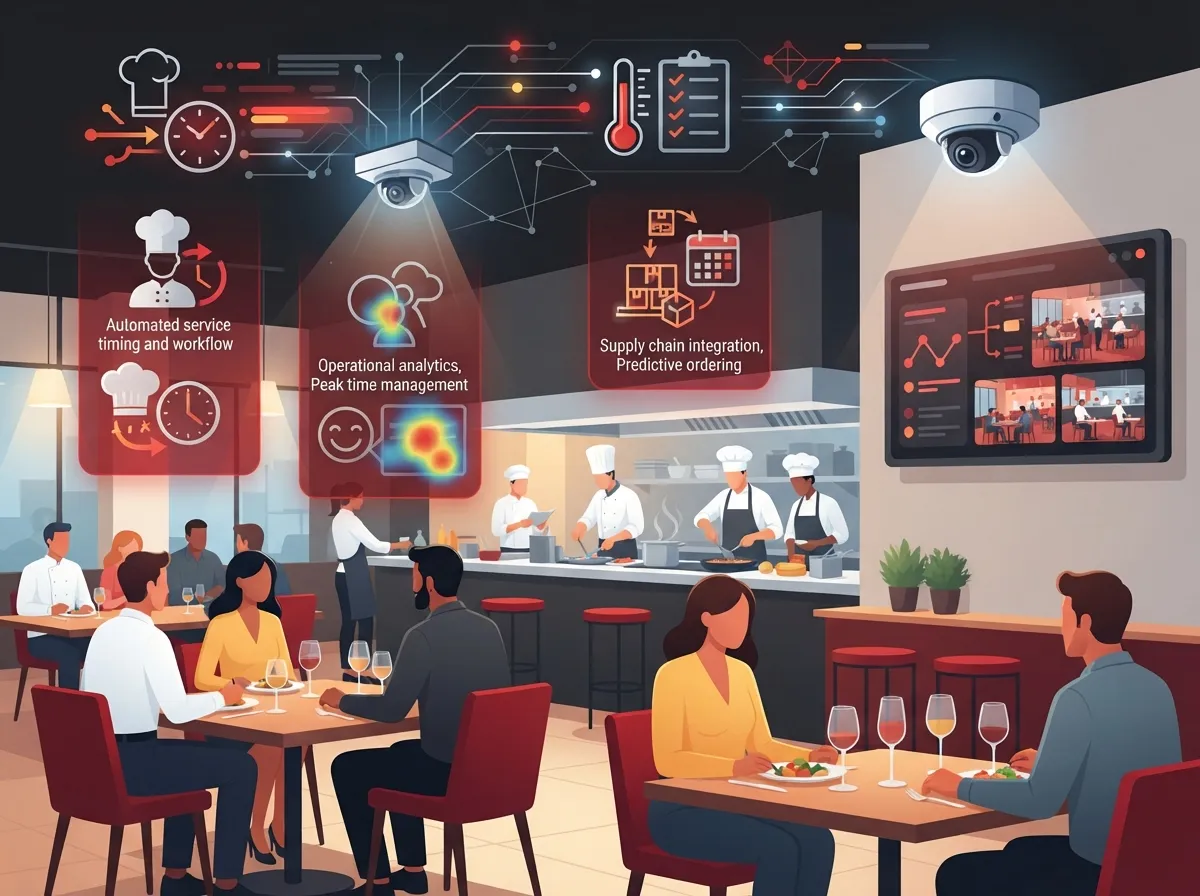
A restaurant camera system isn’t just about hanging a few boxes near the door. It’s really a small technology project. It touches your network, your Wi-Fi, your point-of-sale system, and sometimes even your phone lines. That’s why smart restaurant owners treat surveillance as part of their overall business telecom setup instead of a separate purchase.
Think about it this way. Your cameras need a strong, secure network to send video without lag. Your staff needs reliable internet so orders and payments keep flowing. And your whole system needs protection from Florida’s heat, storms, and power blips. When you look at surveillance as one piece of a bigger telecom puzzle, everything works better together.
1. Full-Coverage IP Camera Systems for Every Corner of Your Restaurant
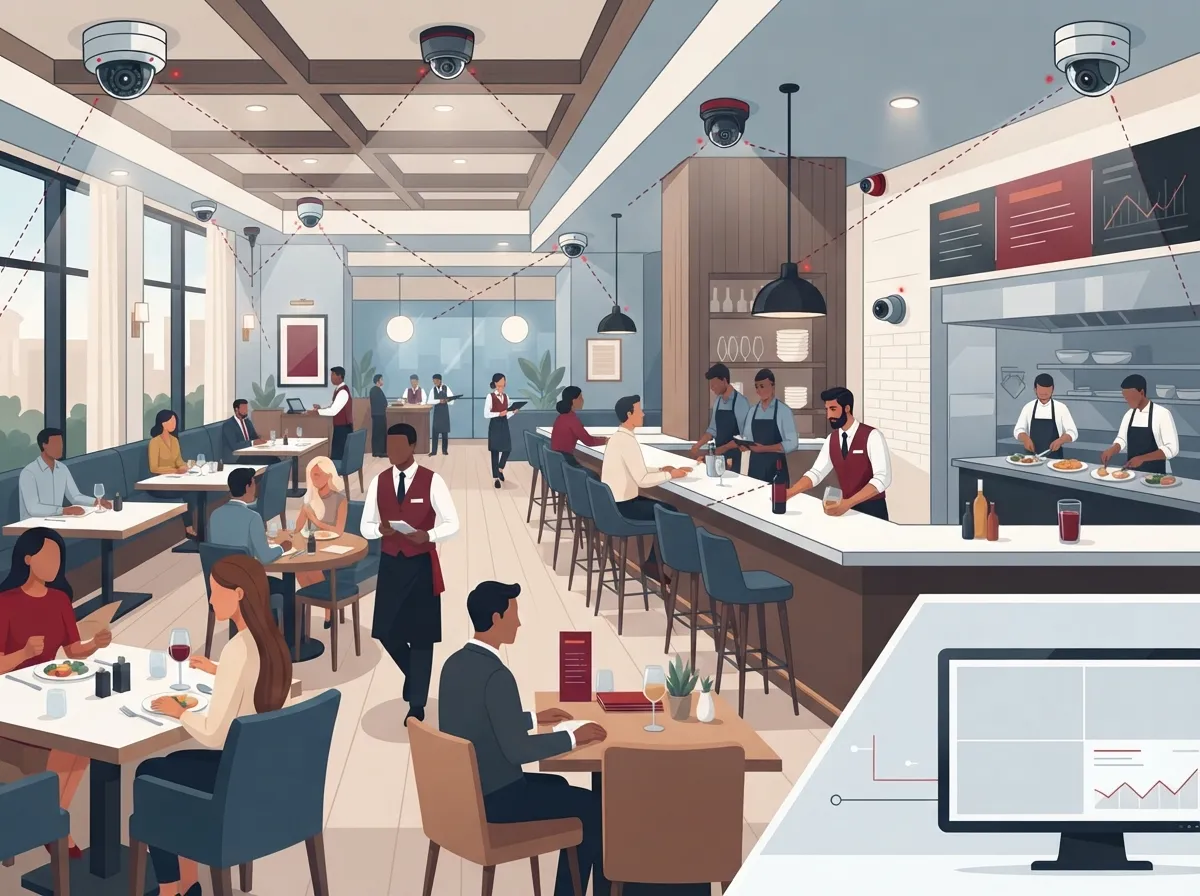
The first approach many Tampa restaurants take is a full-coverage IP camera setup. This means placing cameras in every spot that matters for safety, theft prevention, and daily operations.
Here are the most common spots restaurant owners cover:
- Front entrance and exit doors
- Dining room and bar area
- Cash registers and point-of-sale stations
- Kitchen and prep areas
- Delivery and back doors
- Storage rooms and walk-in coolers
- Parking lots and loading zones
Covering these areas helps with more than just catching theft. It also protects your staff, gives you evidence if there’s ever an incident, and can even help with insurance claims. A good security camera setup does far more for your business than most owners realize at first.
2. Cloud-Based Video Management for Remote Monitoring
The second option gaining popularity across Tampa Bay is cloud-based video security. Instead of storing footage on a bulky box in your back office, your video lives safely online. You can check in on your restaurant from your phone while you’re at another location or even on vacation.
Cloud systems also make life easier if you run more than one restaurant. Franchise operators love being able to check every location from one simple app. It cuts down on phone calls to managers and lets you spot problems before they grow.
Cloud storage does rely on your internet connection, though. That’s why pairing your cameras with high-speed internet built for business needs matters so much. Weak Wi-Fi means choppy video, missed alerts, and frustration.
Cloud vs. On-Premise: A Quick Comparison
| Feature | Cloud-Based System | On-Premise System |
|---|---|---|
| Remote viewing | Easy, from any device | Often limited or harder to set up |
| Access during internet outage | May be limited | Usually still works locally |
| Multi-location management | Simple, centralized | More complex, separate systems |
| Maintenance | Provider handles updates | Owner or IT team manages hardware |
| Storage retention | Flexible, scalable plans | Limited by local hard drive space |
3. Hybrid Systems That Keep Working During Internet Outages
Tampa weather can be rough. Between summer thunderstorms and the occasional hurricane threat, internet outages happen. That’s why many restaurant owners choose a hybrid system. This setup records locally as a backup, then also sends footage to the cloud when your connection is up and running.
A hybrid approach gives you the best of both worlds. You get remote access most of the time, plus a safety net during storms or power issues. If your restaurant depends on steady video coverage no matter what, this option is worth serious consideration. Learn more about how cloud cameras keep working when the internet goes down.
4. Integrated Networks That Connect Cameras, Wi-Fi, and POS Systems
Here’s where things get technical, but stay with us because this part really matters. Your restaurant surveillance system shouldn’t just sit on the same network as your guest Wi-Fi and payment terminals. That’s a security risk waiting to happen.
A smart setup uses network segmentation, sometimes called VLANs, to keep your cameras separate from other traffic. This keeps hackers from using an unsecured camera as a backdoor into your payment system. It also keeps your video feed running smoothly, since it’s not competing with customer Wi-Fi for bandwidth.
Here’s a simple step-by-step look at how this kind of setup typically comes together:
- A technician surveys your restaurant and maps out camera locations
- Structured cabling is installed to support power and data for each camera
- Network switches with Power over Ethernet are set up to run cameras efficiently
- The network is segmented so cameras, Wi-Fi, and POS systems stay separate
- Firewalls and secure remote access are configured to protect your data
- Cameras are tested for coverage, night vision, and video quality
- Staff receive training on the system and any required signage is posted
This is exactly the kind of project where working with one telecom partner saves you headaches. Instead of hiring a cabling company, a separate camera vendor, and a network technician, a single point of contact can handle it all. That’s the model Ideal Solutions Provider uses, pulling from over 35 vetted suppliers to design a system that fits your restaurant instead of a one-size-fits-all package. If cabling is part of your project, check out how structured cabling supports both phones and cameras at the same time.
5. Weather-Ready Equipment Built for Florida Conditions
Tampa isn’t the easiest place for outdoor electronics. Between the heat, humidity, and heavy rain, your parking lot and patio cameras need to be tough. The fifth smart approach is choosing equipment specifically rated for Florida’s climate.
Look for these features when selecting outdoor cameras:
- Weatherproof and vandal-resistant housings
- Infrared or low-light performance for nighttime parking areas
- Wide dynamic range for bright, sunny entrances
- Surge protection to guard against lightning strikes
- Battery backup or UPS support during power outages
Skipping these details might save a little money upfront, but it usually costs more later in repairs and replacements. A well-planned system, including proper structured cabling built for Tampa businesses, holds up far better against Florida’s tough weather.
Staying on the Right Side of Florida Surveillance Laws
Before you install a single camera, it helps to understand Florida’s rules around recording. The good news is that video-only cameras in visible areas like your dining room, bar, and parking lot are generally allowed. Florida Statute §810.145 does prohibit secretly recording people in places where they expect privacy, such as restrooms or changing areas, so avoid pointing cameras there.
Audio is where things get tricky. Florida is an all-party-consent state under Florida Statute §934.03, meaning everyone involved in a conversation must agree to being recorded. Because of this, most Tampa restaurants choose to disable microphones on their cameras unless they have a documented legal process in place. It’s worth chatting with a legal professional about your specific setup, since unlawful recording can carry serious penalties.
One helpful legal note: Florida law includes an exception for security systems when you post clear, visible signage or when the camera itself is obviously not hidden. So put up a sign near your entrance, add language to your employee handbook, and keep your cameras visible rather than concealed. This protects you and builds trust with your team and your customers.
How Much Do Restaurant Surveillance Systems Cost in Tampa?
Pricing depends on a lot of factors: number of cameras, resolution, storage length, and whether you choose cloud, on-premise, or hybrid recording. Smaller restaurants with a handful of cameras spend less than larger venues or multi-location franchises needing centralized management across several sites.
The best way to get an accurate number is a site assessment. A good telecom partner will look at your space, your internet speed, and your goals before recommending equipment. This avoids the common mistake of overpaying for features you don’t need, or underbuying and needing an upgrade in a year.
Choosing the Right Partner for Your Tampa Restaurant
Once you’ve decided on a surveillance approach, the next step is choosing who installs and supports it. Look for a provider who understands both the camera technology and the network infrastructure behind it. This is especially important for restaurants because your surveillance system often needs to coexist with VoIP phones, guest Wi-Fi, and payment processing all on the same premises.
Ideal Solutions Provider has spent over 24 years helping Tampa businesses, including restaurants, bars, and hospitality venues, set up telecom and security solutions that actually fit their needs. Because they work with more than 35 vetted suppliers, they can compare options honestly instead of pushing one brand. That means you get a system built around your restaurant, not a generic package.
You can also see examples of installed systems and behind-the-scenes looks at how these projects come together on their YouTube channel, or follow updates and tips on Facebook and Instagram.
Bringing It All Together
A great restaurant surveillance system in Tampa isn’t just about cameras. It’s about smart network design, weather-ready equipment, legal compliance, and choosing a setup that grows with your business. Whether you run one location or manage a growing franchise, taking a thoughtful approach now saves money and stress down the road.
Solid structured cabling and a reliable Internet Service Provider connection form the backbone of any dependable camera system, so don’t skip those foundational pieces.
Ready to protect your restaurant, your staff, and your bottom line with a surveillance system built the right way? Contact us for a free consultation, or call us today to get started.
FAQs
Q: How much do restaurant surveillance systems cost in Tampa?
A: It really depends on your restaurant’s size and needs, like how many cameras you want and whether you choose cloud or on-premise storage. The best way to get a real number is a free site assessment, so you’re not guessing or overpaying. A good provider will walk your space and build a plan that fits your budget.
Q: Is it legal to record customers and employees in a Florida restaurant?
A: Yes, video recording in visible public areas like your dining room and parking lot is generally allowed under Florida law. Just avoid pointing cameras at restrooms or private changing areas, and post clear signage letting people know cameras are in use. It’s always smart to double-check with a legal professional for your specific setup.
Q: Do restaurant security cameras need audio recording?
A: Most Tampa restaurants choose to skip audio recording altogether, and honestly, that’s the safer choice. Florida requires all-party consent for recorded conversations, so adding microphones without a clear compliance plan can create legal risk. Sticking with video-only keeps things simple and protects your business.
Q: Can my surveillance system connect with my Wi-Fi and POS system?
A: Absolutely, and honestly, it should! A well-designed network keeps your cameras on a separate, secure path from your guest Wi-Fi and payment terminals. This protects your data and keeps your video running smoothly without slowing anything down.
Q: How long should I keep my restaurant’s surveillance footage?
A: There’s no single rule that fits every restaurant in Florida, so retention really comes down to your own policies, insurance requirements, and any contracts you have in place. Many owners keep footage for a set number of days or weeks based on what makes sense for their operations. A telecom partner can help you figure out storage that balances cost with peace of mind.