Key Takeaways
-
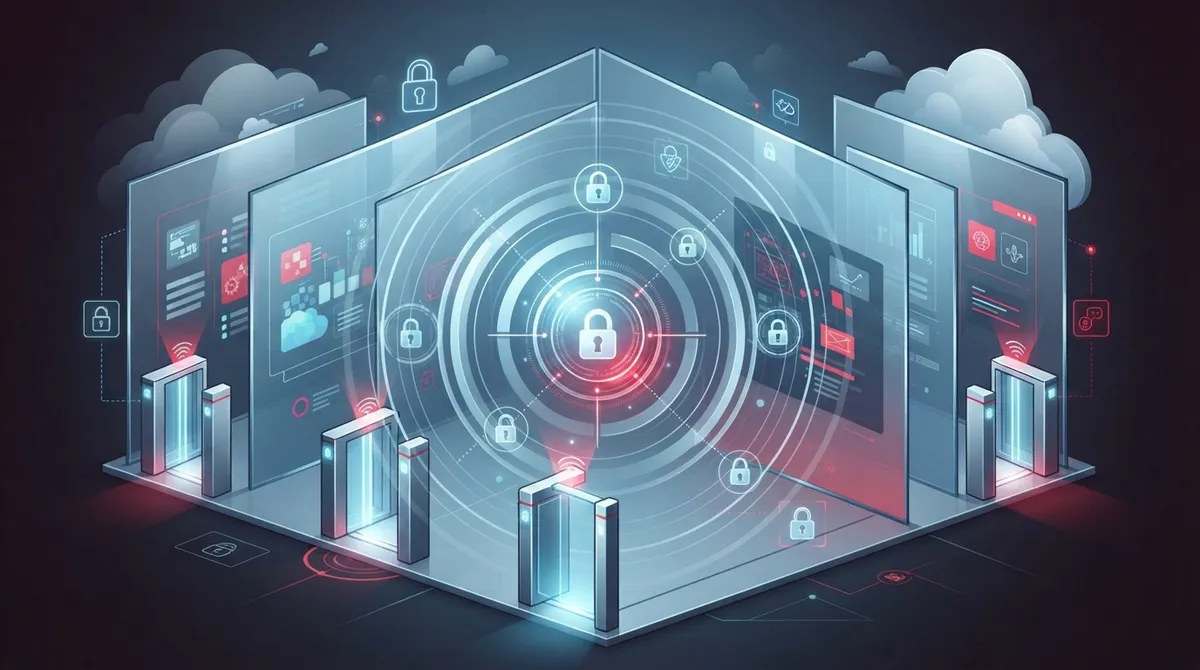
Tenant isolation is the critical backbone of multi-tenant systems—every access request must be verified against a specific tenant ID first to prevent accidental data mixing between customers.
-
Implement both RBAC and ABAC controls together: RBAC for simple role-based permissions and ABAC for condition-based rules like time-of-day or location restrictions to create layered security.
-
Evaluate providers on per-tenant policy stores, multi-factor authentication, regular security audits, and encrypted data—these best practices are essential, not optional, for protecting your business data.
-
Zero-trust security combined with strong identity management ensures every access attempt is verified regardless of source, protecting your system even if one security layer is compromised.
-
Multi-tenant cloud systems reduce upfront costs, enable faster setup, and simplify scaling across multiple locations, but only if paired with reliable high-speed internet and network infrastructure.
-
Avoid common mistakes like assuming all providers use identical isolation methods, skipping access reviews for departed employees, and choosing vendors without verifying their tenant isolation approach.
Picture this: your business shares a building with three other companies. You all use the same cloud access control system to unlock doors, but somehow, everyone’s data stays private and separate. That’s the magic of cloud access control multi tenant technology, and it’s changing how Tampa businesses handle security. Whether you run a single office or manage a growing franchise with locations across Florida, understanding this technology helps you make smarter choices for your team’s safety and your budget.
At Ideal Solutions Provider, we’ve spent over 24 years helping Tampa businesses find the right telecom and security fit. We know multi-tenant systems can sound complicated. But don’t worry, we’re going to break it down together in plain, friendly language. By the end of this guide, you’ll understand exactly how these systems keep your business data safe while sharing cloud infrastructure with other companies.

What Is Cloud Access Control Multi Tenant Technology?
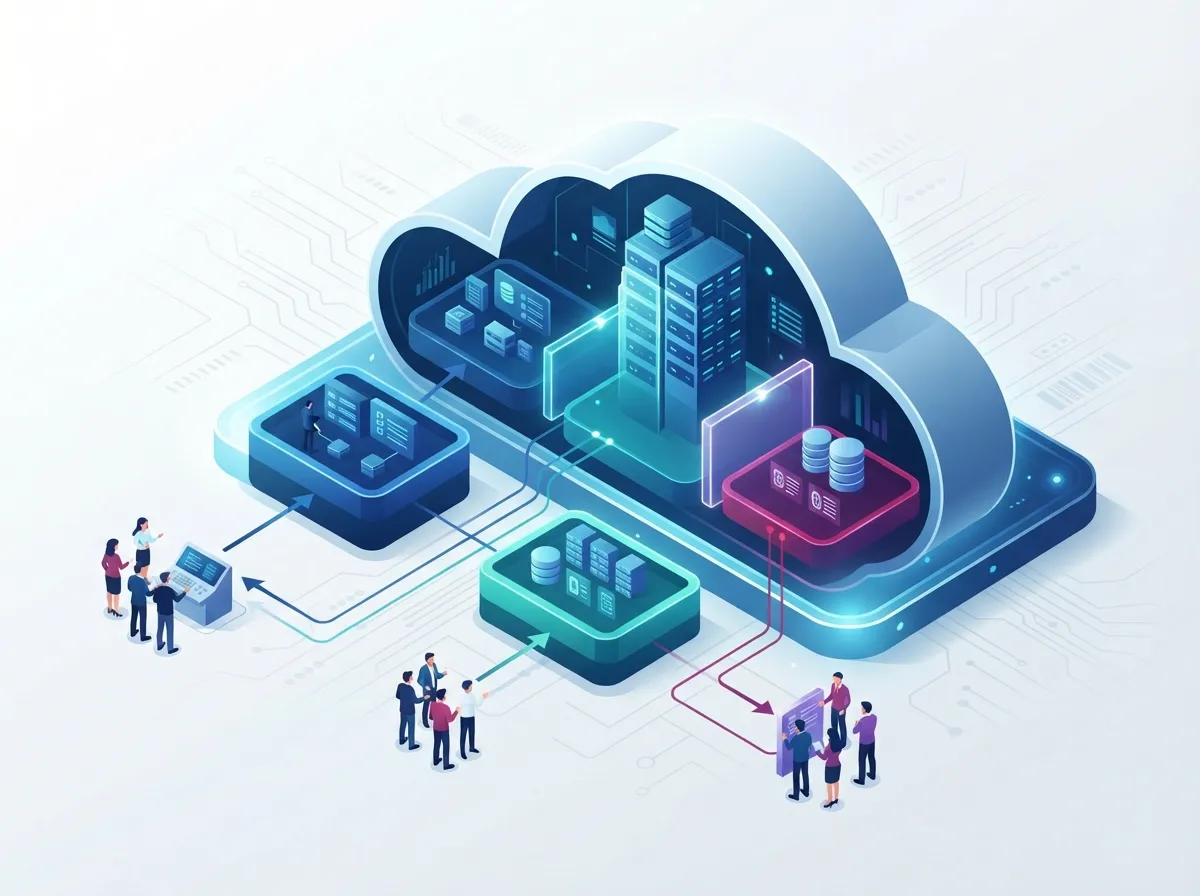
Cloud access control multi tenant systems let several businesses share one cloud platform. Think of it like an apartment building. Everyone lives under the same roof, but each unit has its own locked door. No neighbor can wander into your space uninvited.
In telecom terms, this means multiple customers use the same cloud-based access control service. However, each customer’s users, doors, and data stay completely separate. This setup is common in cloud-based access control systems for Tampa businesses, especially those managing multiple office suites or franchise locations.
The heart of this technology is something called tenant isolation. Simply put, every access decision gets checked against a specific tenant, or customer, first. This makes sure your team members only see and control your own doors, cameras, and users.
Why Businesses Choose Shared Cloud Platforms
Sharing cloud infrastructure sounds risky at first. But it actually saves businesses money and hassle. Here’s why so many companies are moving this direction:
- Lower upfront costs since you’re not building a private data center
- Faster setup because the platform already exists and just needs configuration
- Automatic updates and security patches handled by the provider
- Easier scaling when you add new locations or employees
- Remote management from any device, anywhere
- Reduced need for on-site IT staff to maintain hardware
These benefits matter most for franchise operators and mid-sized companies managing several locations. You get enterprise-level security without enterprise-level headaches.
How Tenant Isolation Actually Works
Tenant isolation is the backbone of any good multi-tenant system. Without it, your business data could accidentally mix with another customer’s information. That’s a nightmare scenario nobody wants.
Here’s how providers keep everyone’s data separate and secure:
- Every user login gets tagged with a specific tenant ID
- Access requests are checked against that tenant’s rules only
- Permissions are scoped so admins only see their own company’s setup
- Data storage is separated, either through logical boundaries or dedicated policy stores
- Regular audits confirm no cross-tenant leaks have occurred
This process happens behind the scenes every time someone badges into a door or logs into the management portal. You never see the complexity, just the smooth result.
Role-Based Access Control Explained Simply
Role-based access control, often called RBAC, is one of the most common tools used in multi-tenant systems. It works by assigning roles to people instead of giving individual permissions one by one.
For example, an office manager might get a “manager” role that allows door scheduling changes. A front desk employee might only get a “viewer” role. Each role is scoped to your specific tenant, so nobody accidentally steps into another company’s system.
This approach is widely used because it’s simple to manage and easy to explain to non-technical staff. IT managers appreciate that RBAC scales well as teams grow or restructure.
Attribute-Based Access Control for Finer Control
Sometimes roles alone aren’t specific enough. That’s where attribute-based access control, or ABAC, comes in. ABAC adds extra rules based on details like time of day, location, or device type.
For instance, you might allow warehouse staff to badge in only during business hours. Or you might restrict certain doors to specific departments. ABAC works alongside RBAC to create layered, smarter security policies.
Many modern telecom cloud platforms combine both approaches. This gives businesses flexibility without making the system too complicated to manage day to day.
RBAC vs ABAC: Quick Comparison
| Feature | Role-Based Access Control (RBAC) | Attribute-Based Access Control (ABAC) |
|---|---|---|
| Basis for Decisions | Assigned roles (admin, manager, employee) | Attributes (time, location, device, department) |
| Setup Complexity | Simple to configure and explain | More detailed, requires policy planning |
| Best For | Standard permission structures | Complex, condition-based rules |
| Scalability | Good for growing teams | Excellent for large, varied organizations |
| Common Use Case | Office managers vs. front desk staff | Restricting access by shift or location |
Best Practices for Secure Multi-Tenancy
Not all multi-tenant systems are built the same way. Some providers cut corners, while others follow strict industry guidelines. Here’s what to look for when evaluating a provider:
- Per-tenant policy stores that keep each customer’s rules separate
- Strong authentication methods like multi-factor login
- Regular access reviews to catch outdated permissions
- Clear audit logs showing who accessed what and when
- Encrypted data both in transit and at rest
- Trust relationships that allow controlled collaboration only when explicitly approved
According to AWS Prescriptive Guidance, separate policy stores for different tenants are considered a best practice for multi-tenant SaaS authorization. This approach keeps each customer’s rules evaluated independently, reducing the risk of mix-ups.
Dell Technologies also recommends RBAC, strong access controls, and regular auditing as part of secure multi-tenancy in telco cloud architectures. These aren’t just nice-to-haves. They’re essential pieces of a trustworthy system.
Steps to Evaluate a Multi-Tenant Access Control Provider
Choosing the right partner for your cloud access control needs takes some homework. Follow these steps to make a confident decision:
- Ask how the provider separates tenant data and permissions
- Request details on their authentication and password policies
- Confirm they perform regular security audits and reviews
- Check if they support role-based and attribute-based controls
- Review their track record with businesses similar to yours
- Ask about support response times if something goes wrong
Taking these steps helps you avoid surprises down the road. It also gives you peace of mind knowing your business data stays protected.
Zero-Trust and Identity Management in Multi-Tenant Systems
Zero-trust security is a simple idea: never automatically trust any request, even from inside your own network. Every access attempt gets verified, no exceptions.
This approach pairs perfectly with multi-tenant cloud access control. Combined with strong identity and access management, or IAM, zero-trust makes sure only the right people get through the right doors.
For business telecom platforms, this typically means:
- Verifying user identity before granting any access
- Checking device health and location as part of the login process
- Limiting access to only what’s needed for someone’s job
- Continuously monitoring for unusual login patterns
This layered approach protects your business even if one part of the system faces an attempted breach. It’s like having multiple locks on a door instead of just one.
Preventing Cross-Tenant Data Leakage
Cross-tenant leakage happens when one customer’s data accidentally becomes visible to another. It’s rare with well-built systems, but it’s still worth understanding how providers prevent it.
Good multi-tenant platforms use several layers of protection:
- Logical separation of databases or storage for each tenant
- Strict API checks that confirm tenant identity on every request
- Isolated policy engines that evaluate rules per tenant
- Network-level isolation using containers or overlay networks
- Service mesh technology to control communication between services
In telco cloud environments, access control is just one piece of a larger isolation strategy. It works alongside containerization and network segmentation to create multiple layers of defense.
When to Use Per-Tenant Policy Stores
Per-tenant policy stores make sense when your business handles sensitive data or operates in a regulated industry like healthcare or finance. They add an extra layer of separation beyond standard role assignments.
Smaller businesses with simple needs might not require this level of complexity. But growing companies, franchises, and enterprises benefit greatly from this added protection. If you’re managing multiple locations, this is worth discussing with your telecom expert during setup.
How This Fits Into Your Broader Telecom Strategy
Cloud access control doesn’t operate alone. It works best when paired with reliable high-speed internet for business, solid structured cabling, and dependable network infrastructure. Think of these as puzzle pieces that fit together to protect your entire operation.
For example, if your internet connection drops, your cloud access control might struggle to communicate with the cloud. That’s why pairing access control with a strong network foundation matters so much. Similarly, businesses often bundle cloud video security systems with access control for a complete security package.
Franchise operators especially benefit from this integrated approach. Managing scalable access control systems for multi-location businesses becomes far simpler when everything runs through one trusted provider instead of juggling multiple vendors.
Common Mistakes to Avoid
Even good intentions can lead to security gaps. Watch out for these common pitfalls:
- Assuming all cloud providers handle tenant isolation the same way
- Skipping regular access reviews for departed employees
- Using weak or shared passwords across your team
- Ignoring audit logs that could reveal suspicious activity
- Choosing a provider without asking about their isolation methods
Avoiding these mistakes takes just a bit of extra attention. But that attention pays off in fewer headaches and stronger protection for your business.
Getting Started With the Right Partner
Choosing cloud access control multi tenant technology is a smart move for growing businesses. But choosing the right partner to set it up matters just as much as the technology itself. You want a team that understands tenant isolation, RBAC, ABAC, and how these pieces fit your specific business needs.
Ideal Solutions Provider has spent over two decades helping Tampa businesses navigate exactly these kinds of decisions. We work with 35+ vetted suppliers, which means we compare options instead of pushing one single product. Whether you need access control for one office or twenty franchise locations, we help you find a setup that actually fits.
We’ve also seen firsthand how businesses can overpay or underuse their current systems. That’s why we always start with an honest audit before recommending anything. You can learn more about our approach on Facebook or check out real client stories on YouTube.
Multi-tenant systems rely on solid technical standards, similar to how structured cabling follows industry standards for reliable network performance. Just like your internet connection depends on a trustworthy Internet Service Provider, your access control system depends on a provider who understands tenant isolation inside and out.
Wrapping It All Up
Cloud access control multi tenant technology gives businesses a smart, affordable way to secure their spaces without sacrificing privacy or control. From tenant isolation to RBAC and ABAC, these tools work together to keep your data safe while sharing cloud infrastructure with other companies. Whether you’re a small business owner opening your first office or a franchise operator managing locations across Tampa Bay, understanding this technology helps you make confident decisions.
Ready to see how cloud access control can fit into your business? Our friendly team at Ideal Solutions Provider would love to walk you through your options. Contact us today for a free consultation, or feel free to call us to chat with a real person who understands your needs. We’re here to make security simple, one conversation at a time.
FAQs
Q: What is multi-tenant access control in cloud telecom platforms?
A: It’s a security setup where multiple businesses share one cloud platform, but each customer’s data and users stay completely separate. Think of it like apartments in the same building. Everyone shares the structure, but no one can peek into another unit’s space.
Q: How does RBAC work in a multi-tenant SaaS telecom system?
A: RBAC assigns roles like admin, manager, or employee to your team members, scoped only to your business. This means someone with a manager role in your company can’t accidentally access another customer’s settings. It’s a simple, effective way to keep permissions organized.
Q: What is tenant isolation in business telecom cloud solutions?
A: Tenant isolation means every access decision gets checked against your specific business first, so you never see another customer’s data. It’s the core safety feature that makes shared cloud platforms trustworthy. Without it, sharing infrastructure would be way too risky.
Q: How is ABAC different from RBAC for telecom cloud security?
A: ABAC adds extra rules based on things like time of day, location, or device type, while RBAC focuses purely on assigned roles. Many providers combine both for smarter, more flexible security policies. Together, they create layered protection that adapts to real-world situations.
Q: How do telecom providers prevent cross-tenant data leakage?
A: Providers use separate policy stores, strict API checks, and network-level isolation to keep each customer’s data apart. Regular audits also help catch any potential issues early. It takes several layers working together, kind of like locks on multiple doors.