
Key Takeaways
-
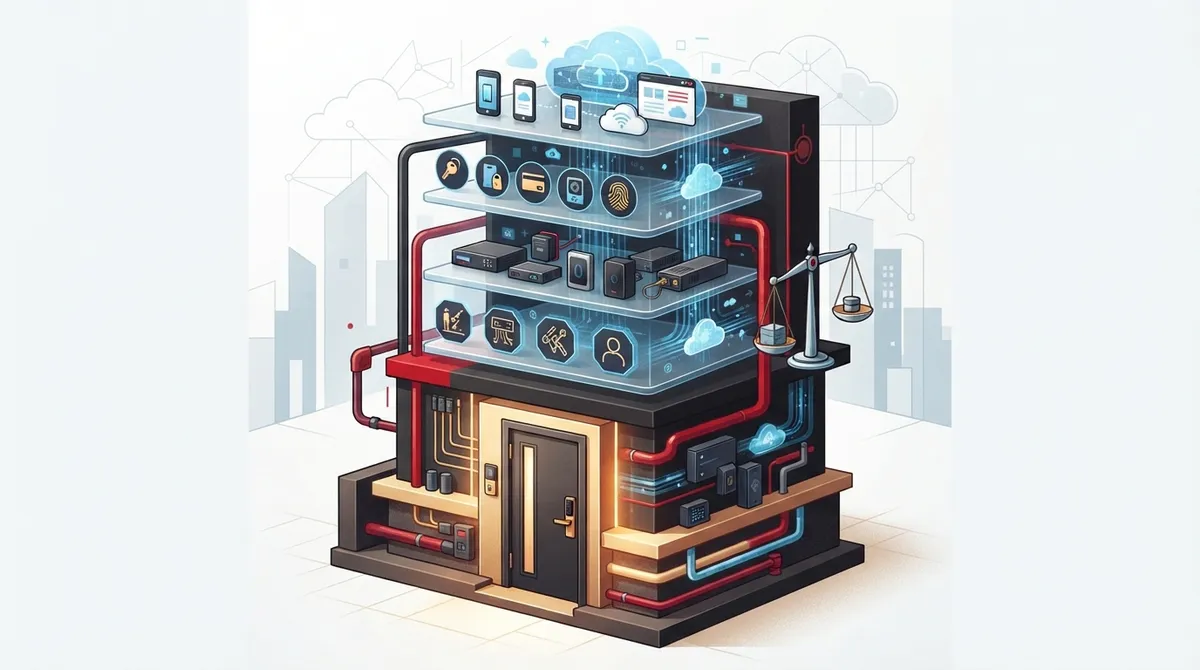
Per-door pricing ($7.50-$13.50/month) is the industry standard, but hidden hardware, installation, and credential costs often exceed software fees—always request itemized quotes before budgeting.
-
Calculate total cost of ownership over 3-5 years, not just monthly rates; a 20-door deployment typically costs $66,000-$124,000 total, where installation and equipment often outweigh software subscriptions.
-
Mobile credential fees ($0.35-$0.75 per pass/month), API licensing ($67/month), and identity-connector charges ($540+/month) are common add-ons that significantly inflate final costs if not disclosed upfront.
-
Per-user pricing models become expensive for businesses with contractors, seasonal staff, or visitors; per-door or flat-rate models work better unless your headcount is small and stable.
-
Bundling cloud access control with VoIP, internet, and video security through one provider simplifies billing, reduces costs, and provides single-point support instead of managing multiple vendor contracts.
-
Tiered subscription plans (Basic, Professional, Enterprise) unlock features like mobile credentials, video integration, and API access at different price points—choose based on actual business needs to avoid overpaying for unused features.
If you have ever asked a security vendor for a quote and gotten back a confusing mess of numbers, you are not alone. Cloud access control pricing can feel like a puzzle with missing pieces. One vendor quotes you per door. Another quotes per user. A third throws out a flat monthly rate that seems too good to be true (spoiler: it usually is). Understanding cloud access control pricing models before you sign anything can save your business thousands of dollars and a lot of headaches.
At Ideal Solutions Provider, we have spent over 24 years helping Tampa businesses and companies nationwide sort through telecom and security decisions. We have seen the good, the bad, and the surprisingly expensive when it comes to access control quotes. This guide breaks down exactly how pricing works, what hidden costs to watch for, and how to compare vendors fairly. Grab a coffee, and let’s make sense of this together.
What Is Cloud Access Control, Anyway?
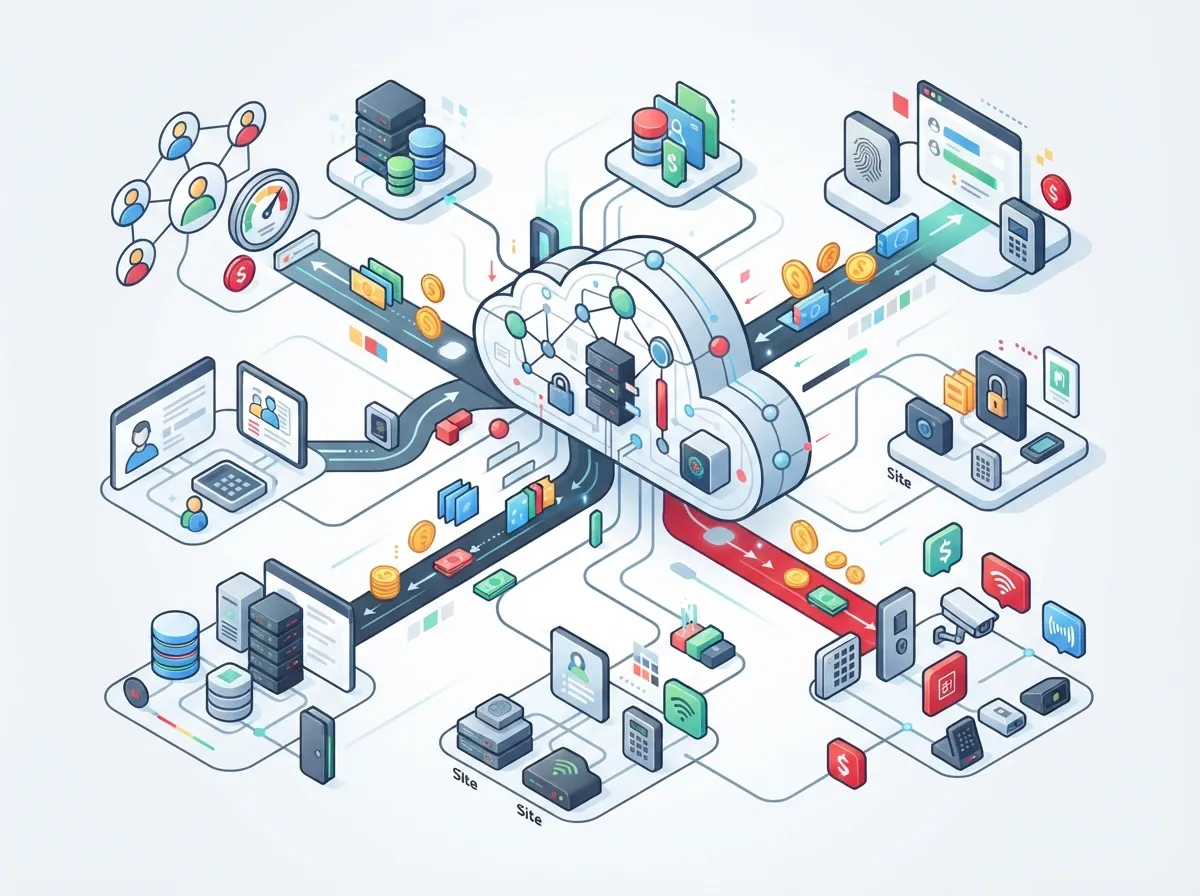
Before we dig into pricing, let’s cover the basics. Cloud access control, sometimes called Access Control as a Service (ACaaS), means your building’s entry system lives in the cloud instead of on a server in your back closet. Access events, employee credentials, security policies, and reports are all managed online.
This is different from old-school on-premises systems that require a physical server, ongoing IT maintenance, and manual updates. With cloud access control, a manager can lock a door, add a new employee, or check who entered the building last night, all from a phone or laptop. It is a big step up in convenience, especially for multi-location businesses juggling several sites at once.
The Main Cloud Access Control Pricing Models
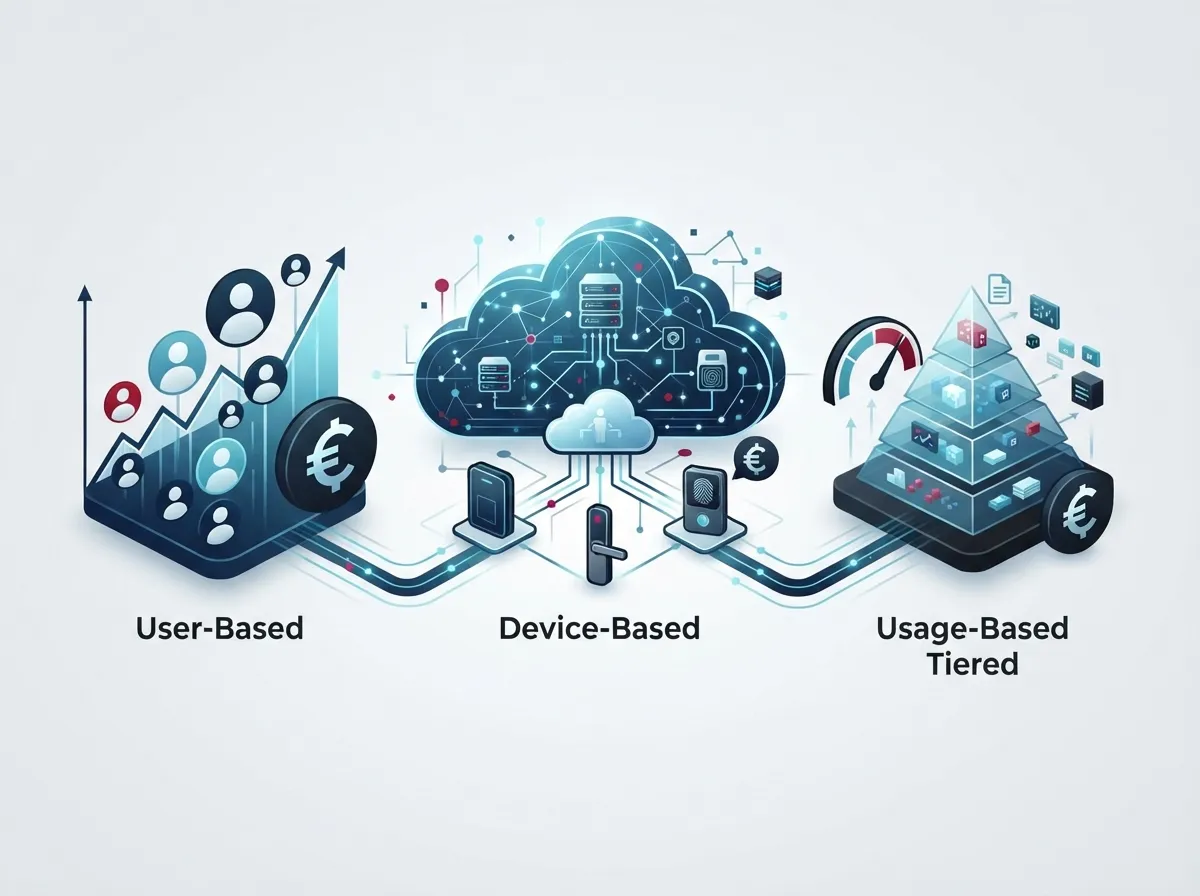
Vendors do not all price things the same way. Here are the models you will run into most often.
1. Per-Door, Per-Month Pricing
This is the most common pricing structure in the industry. You pay a recurring fee for every controlled opening, like a door, gate, or turnstile. The price usually continues as long as that door stays active in the system.
2. Per-User or Per-Credential Pricing
Instead of charging by door, some vendors charge by the number of people using the system. This can work well for small offices with just a handful of employees. But if your business has lots of contractors, seasonal staff, or visitors, this model can get expensive fast.
3. Flat-Rate or Site-Based Subscriptions
Some vendors offer one flat monthly fee per location. This sounds simple, but read the fine print. There are often caps on the number of doors, users, or features included before you have to upgrade.
4. Hybrid Pricing
Hybrid plans combine a base platform fee with extra charges per door, user, or site. This model tries to balance simplicity with flexibility, but it can also make quotes harder to compare side by side.
5. Tiered Subscriptions
Many providers offer tiers, like Basic, Professional, and Enterprise. As you move up a tier, you typically unlock features such as mobile credentials, visitor management, video integration, and advanced reporting.
What Does a Typical Price Range Look Like?
Pricing varies a lot depending on the vendor, features, and scale of your deployment. Here is a snapshot of what market data shows for 2026.
| Pricing Tier | Typical Monthly Cost Per Door | What’s Usually Included |
|---|---|---|
| Standard SMB Software | $7.50 – $13.50 | Basic access management, standard reporting |
| Mid-Tier / Professional | $9 – $16 | Mobile credentials, better reporting, some integrations |
| Enterprise / Advanced | $10 – $50+ | API access, video integration, identity management, multi-site tools |
One well-known provider, Brivo, was reported in 2025 to start its Standard tier around $13.50 per door per month for the first two doors, with lower rates on additional doors. Its Professional and Enterprise tiers ranged roughly from $9 to $16 per door per month depending on features. These numbers change often, so always confirm current pricing directly with any vendor before budgeting.
Hidden Costs That Change the Real Price
The subscription fee is just one piece of the puzzle. Here is what else usually gets added to your bill.
- Door readers, electronic locks, and controllers
- Power supplies and wiring installation
- Network connectivity and structured cabling for new locations
- Physical or mobile credentials for each employee
- Professional installation labor
- Ongoing support and maintenance plans
Some platforms also charge extra for advanced features. For example, one reported cost breakdown showed mobile credential fees running about $0.35 to $0.75 per pass per month. API licensing was quoted around $67 per month, and identity-connector charges reached up to roughly $540 per month in some cases. Always ask your vendor to spell out what is included versus billed separately.
Why You Should Compare Total Cost, Not Just Monthly Price
A low monthly fee can be misleading if hardware and installation costs are sky-high. That is why smart buyers look at three- to five-year total cost of ownership instead of just the sticker price.
Here is a simplified comparison based on a 2026 market analysis of a 20-door deployment over five years.
| Vendor Example | 5-Year Estimated Total Cost | Cost Per Door Per Year |
|---|---|---|
| Vendor A (Brivo-style pricing) | $66,000 – $118,000 | $660 – $1,240 |
| Vendor B (Verkada-style pricing) | $70,000 – $124,000 | $700 – $1,240 |
These figures include hardware, software, credentials, and installation. Notice how installation and equipment can outweigh the software subscription itself, especially for newly wired buildings. This is exactly why we always recommend getting a full breakdown, not just a monthly rate, before making a decision.
Steps to Compare Cloud Access Control Quotes Fairly
Here is a simple process to follow when you are shopping around.
- Ask each vendor for a full itemized quote, including hardware, install, and software
- Confirm what happens if you add more doors or locations later
- Check for extra charges tied to mobile credentials, API access, or video integration
- Ask about contract length, minimum door counts, and renewal price increases
- Calculate the total cost over three to five years, not just the first invoice
- Compare support response times and what is covered under maintenance
Following these steps helps you avoid surprise fees down the road. It also gives you real leverage when negotiating with vendors.
Which Pricing Model Fits Your Business?
The best pricing model really depends on your situation. Here is a quick breakdown by business type.
- Small Tampa businesses: Flat-rate or low-tier per-door pricing usually works best for a single office with a handful of doors
- Mid-sized enterprises: Hybrid or tiered pricing often makes sense since you need more features without full enterprise costs
- Franchise operators: Per-site or multi-location bundles help simplify billing across several locations
- IT managers at larger firms: Enterprise tiers with API access and identity management integration are usually necessary
- Office managers: Look for simple, predictable flat-rate plans that reduce day-to-day admin work
No matter your business size, cloud pricing shines for companies with more than one location. Administrators can manage every site, apply the same security rules everywhere, and add or remove locations without installing a separate server at each building.
Bundling Access Control With Other Telecom Services
One thing many business owners do not realize is that access control does not have to stand alone. It can be bundled with your cloud phone system, high-speed internet, managed Wi-Fi, and cloud video security. Bundling these services with one provider often means simpler billing and better pricing overall.
This is where working with a single telecom partner really pays off. Instead of juggling five different vendor contracts and five different support numbers, you get one point of contact for everything. It is one of the biggest reasons Tampa businesses turn to Ideal Solutions Provider for their cloud access control needs alongside their phones, internet, and network.
Common Mistakes Businesses Make With Access Control Pricing
Let’s talk about a few slip-ups we see often, so you can avoid them.
- Only looking at the monthly software price and ignoring hardware costs
- Forgetting to ask about mobile credential fees per user
- Signing long contracts without checking renewal price increases
- Not planning for future growth, like adding new doors or locations
- Skipping a professional site survey before installation
Avoiding these mistakes is easier when you work with a partner who has seen hundreds of these deployments. In fact, we often find that 9 out of 10 companies we audit are overpaying, underperforming, or both, in telecom and security services alike.
How Market Growth Affects Pricing
The cloud access control market is booming. Industry estimates for the global ACaaS market in 2025 ranged widely, from about $1.2 billion to more than $12 billion, depending on how the market is defined. Growth rates are projected between 8% and 16% annually. This kind of growth usually means more competition, more features, and eventually more competitive pricing for businesses like yours.
As more vendors enter the space, expect pricing tiers to become more flexible. That is good news if you are planning to upgrade your security setup in the next year or two.
Final Thoughts on Choosing the Right Pricing Model
Cloud access control pricing does not have to be confusing once you know what to look for. Focus on total cost of ownership, ask detailed questions about hidden fees, and pick a pricing model that matches how your business actually operates. Whether you run a single Tampa office or manage multiple franchise locations, the right plan is out there.
If you want a clear, no-pressure breakdown of your options, our team would love to help. We compare pricing across 35+ vetted suppliers so you do not have to do it alone. Contact us today for a free consultation, or call us to talk through your specific building and security needs. You can also check out real client stories and updates on our Facebook page, see installation photos on Instagram, or watch how our systems work on YouTube. We are here to make this process simple, honest, and stress-free.
FAQs
Q: How much does cloud access control cost per door per month?
A: Standard cloud access control software typically runs about $7.50 to $13.50 per door per month for small business tiers. Enterprise plans with advanced integrations can climb to $50 or more per door, so it really depends on your features and scale. We always recommend getting a detailed quote so there are no surprises.
Q: Is cloud access control priced per door, per user, or per location?
A: It can be any of these, honestly! Most vendors use per-door pricing, but some charge per user or offer flat site-based subscriptions instead. The best fit depends on how many doors, employees, and locations your business has.
Q: What hardware costs are usually excluded from the subscription price?
A: Readers, electronic locks, controllers, power supplies, credentials, and installation labor are almost always billed separately from the software fee. Think of the subscription as just one slice of the total pie. Ask your provider for a complete, itemized breakdown before you sign anything.
Q: Can I bundle access control with my phone and internet service?
A: Yes, and it is actually a smart move for many businesses! Bundling access control with VoIP phones, high-speed internet, and video security through one provider often simplifies billing and can improve overall pricing. It also means one support team handles everything instead of several.
Q: How should I calculate the true cost of cloud access control over time?
A: Look at total cost over three to five years instead of just the monthly rate. Factor in hardware, installation, credential fees, support, and any renewal price increases. This gives you a much more honest picture than the sticker price alone.