
Key Takeaways
-
Cloud video monitoring enables remote access to live and recorded footage from any device with internet connectivity, allowing business owners and managers to respond to security incidents faster without being physically onsite.
-
Centralized management from a single dashboard eliminates the need for multiple login systems, making it ideal for franchise operators and multi-location businesses to monitor all sites simultaneously.
-
Offsite cloud backup protects footage from physical threats like theft, fire, or power outages that could destroy traditional DVR systems, ensuring critical security evidence remains safe and retrievable.
-
AI-powered analytics in modern cloud systems detect unusual activity and provide actionable insights, with companies reporting 30% fewer incidents and 25% improved operational efficiency compared to basic recording.
-
Cloud systems scale easily by adding cameras or locations without expensive hardware upgrades, and 88% of businesses using cloud infrastructure reported cost savings with reduced IT support workload.
-
Seamless integration with access control, alarm systems, and point-of-sale software creates connected security where single alerts trigger multiple protective actions automatically across your entire operation.
Picture this: you’re sipping coffee at home on a Saturday morning, and your phone buzzes. It’s an alert from your Tampa office camera. You tap the notification, watch live footage, and confirm everything’s fine, all before finishing your first cup. That’s the magic behind the benefits of cloud video monitoring, and it’s changing how businesses handle security every single day.
If you’re a small business owner, IT manager, or franchise operator juggling multiple locations, you already know old-school DVR systems can feel clunky and outdated. They tie you to a physical box, limit your access, and often leave you scrambling when something goes wrong. Cloud video monitoring flips that script completely. It gives you freedom, flexibility, and peace of mind wherever you are.
In this guide, we’ll walk through exactly how cloud video monitoring works, why so many businesses are making the switch, and how to get started the right way. Whether you run a single Tampa storefront or manage a franchise chain across the country, you’ll find practical, friendly advice here. Let’s dive in together.

What Is Cloud Video Monitoring, Really?
Cloud video monitoring means your security cameras send footage straight to secure, offsite servers instead of a local hard drive. You can view live feeds or past recordings from any device with internet access. No more walking to a back closet to check a dusty DVR box.
This approach fits perfectly into the broader world of cloud video security solutions that many businesses now rely on. It works alongside your other telecom tools, like cloud-based phone systems and high-speed internet, to create one connected, modern operation.
How It Works in Simple Terms
Cameras capture video and send it over your internet connection to the cloud. From there, you log into an app or web portal to watch footage, search clips, or set alerts. It’s a bit like how you’d stream a movie, except you’re streaming your own business in real time.
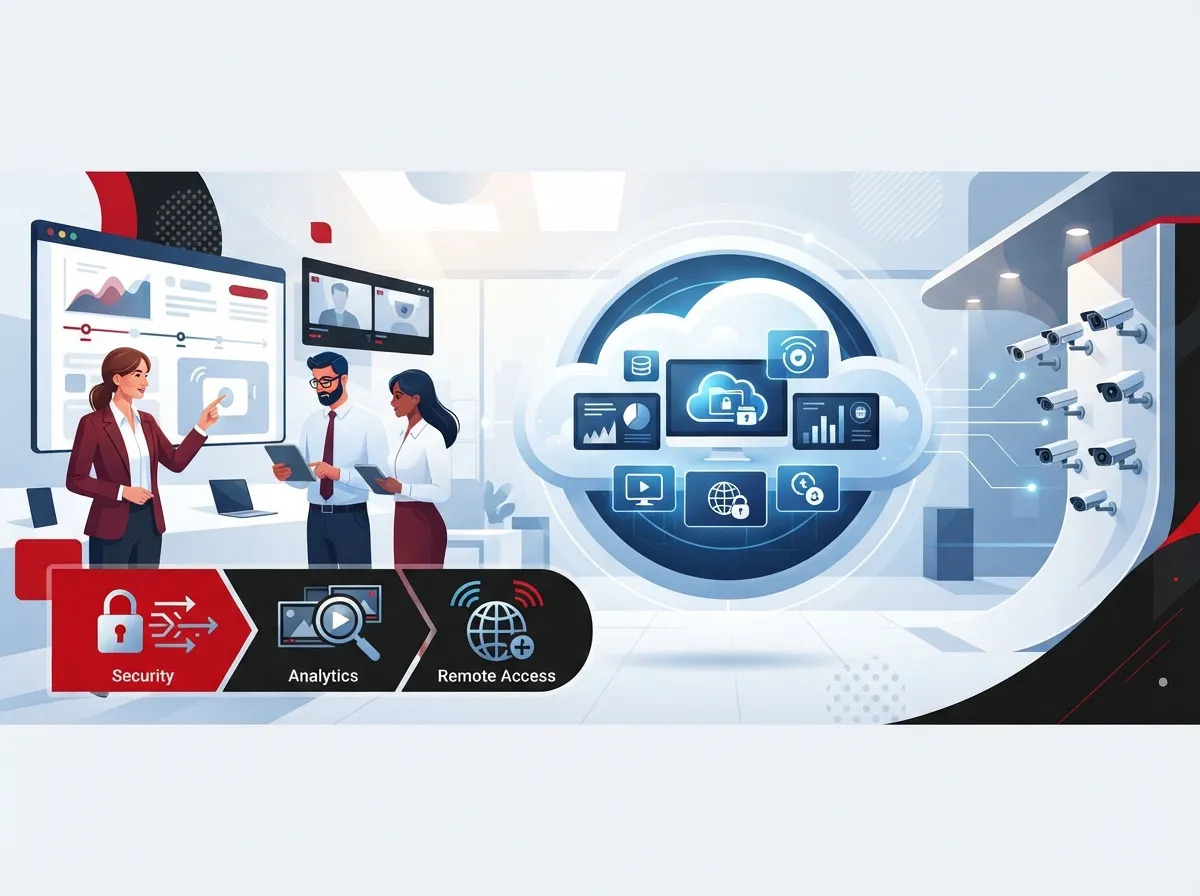
Top Benefits of Cloud Video Monitoring for Businesses
Let’s get into the good stuff. Here are the biggest reasons companies are ditching old systems for cloud-based ones.
1. Centralized Management Across Multiple Locations
If you run a franchise or a growing company with several Tampa Bay locations, cloud video monitoring lets you see all your cameras from one single dashboard. No more logging into five different systems for five different stores.
This centralized view is a lifesaver for franchise operators and mid-sized enterprises managing scattered sites. You get a bird’s-eye view of your entire operation without leaving your desk.
2. Remote Access From Anywhere
Remote access is one of the biggest wins here. Whether you’re traveling, working from home, or just stepping out for lunch, you can pull up live or recorded footage on your phone or laptop.
This is huge for office managers who need to check in on things without physically being onsite. It also helps IT managers respond faster when something looks off, cutting down response times significantly.
3. Offsite Backup Keeps Your Footage Safe
Here’s a scary thought: what if a break-in damages your local DVR? With traditional systems, you could lose all your footage right when you need it most. Cloud storage solves this problem by keeping copies offsite, safe from theft, fire, or power outages.
Your recordings stay protected no matter what happens at your physical location. That’s real peace of mind for any business owner.
4. Easy Scalability as You Grow
Adding a new camera or opening a new location used to mean expensive hardware upgrades and complicated installs. With cloud systems, scaling up is simple. You add cameras or sites without redesigning your entire network.
This makes cloud video monitoring especially attractive for franchise operators expanding across Tampa Bay and beyond. Growth doesn’t have to mean headaches.
5. Lower Upfront Costs and Less Maintenance
Traditional surveillance systems require servers, storage hardware, and ongoing upkeep. Cloud systems shift much of that burden away from you. According to a survey cited by Een, among 930 respondents using cloud infrastructure, 88% achieved savings and 60% reduced their IT support workload.
That’s a meaningful chunk of relief for small business owners watching every dollar. Less hardware means less to fix, replace, or worry about down the road.
6. Smarter Insights With AI-Powered Analytics
Modern cloud video platforms don’t just record. They think. Many include AI-powered features like motion detection, unusual activity alerts, and quick clip searches.
Pipl Systems reports that companies adopting advanced video surveillance with remote monitoring and AI analytics saw 30% fewer incidents and a 25% boost in operational efficiency. That’s not just security. That’s smarter business operations.
7. Seamless Integration With Other Systems
Cloud video surveillance often connects with access control, alarm systems, and even point-of-sale software. This means one alert can trigger multiple actions, like locking a door or notifying your team, all at once.
If you’re already using cloud-based access control, pairing it with video monitoring creates a much stronger, more connected security setup.
Cloud vs. Traditional Video Surveillance: A Quick Comparison
Sometimes it helps to see things side by side. Here’s how cloud video monitoring stacks up against old-school on-premise systems.
| Feature | Cloud Video Monitoring | Traditional DVR/NVR |
|---|---|---|
| Remote Access | Yes, from any device | Limited or none |
| Footage Backup | Offsite, protected | Onsite only, vulnerable |
| Scalability | Add cameras easily | Requires hardware upgrades |
| Maintenance | Low, managed by provider | Higher, owner-managed |
| Multi-Site Management | Single dashboard | Separate systems per site |
| AI Analytics | Often included | Rarely available |
How to Get Started With Cloud Video Monitoring
Ready to make the switch? Here’s a simple step-by-step approach to help you move forward with confidence.
- Assess your current setup. Look at your existing cameras, internet bandwidth, and any gaps in coverage.
- Define your goals. Are you focused on theft prevention, employee safety, or operational insights?
- Check your internet reliability. Cloud video needs strong, stable connectivity, so make sure your high-speed internet setup can handle the load.
- Choose the right camera hardware. Not all cameras are built the same, so pick ones suited to your space and lighting.
- Plan your cabling needs. Solid structured cabling supports reliable camera performance, especially in larger buildings.
- Select a trusted partner. Work with a company that vets suppliers and understands multi-site rollouts.
- Schedule professional installation. Proper setup avoids blind spots and connectivity issues down the line.
- Train your team. Make sure staff know how to access footage and respond to alerts.
- Test everything thoroughly. Check remote access, alerts, and storage before going fully live.
- Review and adjust regularly. Revisit your camera placement and settings as your business changes.
Who Benefits Most From Cloud Video Monitoring?
Different businesses get different wins from this technology. Let’s break it down by audience.
- Small business owners gain affordable, easy-to-manage security without hiring dedicated IT staff.
- Mid-sized enterprises get comprehensive coverage across growing networks with less complexity.
- IT managers save time by working with one vetted partner instead of juggling multiple vendors.
- Office managers enjoy hassle-free daily monitoring and quick troubleshooting support.
- Franchise operators scale security across locations without reinventing the wheel each time.
Common Concerns About Cloud Video Monitoring
No solution is perfect, and it’s smart to know the limitations before you commit. Here are a few things worth considering.
- Cloud systems depend on internet connectivity, so outages can briefly interrupt live viewing (though most systems still record locally as backup).
- Monthly subscription costs replace upfront hardware costs, which changes your budgeting approach.
- Data privacy and cybersecurity practices matter, so choose providers with strong encryption standards.
- Bandwidth usage can add up with multiple high-resolution cameras running constantly.
The good news is that most of these concerns are manageable with the right planning and a knowledgeable partner. That’s exactly where working with an experienced telecom provider makes a real difference.
Why Partnering With Experts Makes This Easier
Let’s be honest, juggling cameras, internet providers, cabling, and access control on your own can feel overwhelming. That’s where Ideal Solutions Provider comes in. With over 24 years of experience and partnerships with 35 plus vetted suppliers, they act as your single point of contact for everything from consultation to installation and ongoing support.
Instead of chasing down separate vendors for cameras, internet, and networking, you get one team handling it all. They’ve found that 9 out of 10 companies they audit are overpaying, underperforming, or both, which means there’s likely room for improvement in your current setup too.
What to Look for in a Cloud Video Provider
Not all providers are created equal. Here’s a quick list of things to check before signing on with anyone.
- Proven experience installing multi-site camera systems
- Strong partnerships with reputable hardware manufacturers
- Reliable customer support after installation
- Clear pricing without hidden fees
- Integration options with access control and alarm systems
- Solid data encryption and privacy protections
Real-World Impact: Why This Matters Now
Security threats and operational demands keep evolving, and businesses need tools that keep pace. Cloud video monitoring isn’t just a trend, it’s becoming the standard expectation for modern operations. Axis notes that cloud video platforms can eliminate the need to manually expand storage capacity, saving time and reducing headaches for growing businesses.
Whether you’re protecting inventory, monitoring employee safety, or simply keeping an eye on daily operations, cloud video monitoring gives you tools that traditional systems simply can’t match. It pairs beautifully with other business network solutions to create a fully connected, efficient workplace.
You can also learn more about related security topics by checking out this resource on what security cameras really do for your business, which dives deeper into everyday practical uses.
Bringing It All Together
Cloud video monitoring offers real, measurable benefits: centralized control, remote access, offsite backup, easy scaling, lower costs, smart analytics, and seamless integrations. For small business owners, IT managers, office managers, and franchise operators alike, this technology solves real problems and creates genuine peace of mind.
Stay connected with updates and tips by following along on Facebook, checking out visual walkthroughs on YouTube, or catching behind-the-scenes glimpses on Instagram. These platforms offer helpful extras beyond what we’ve covered here today.
Ready to see how cloud video monitoring fits into your business? Reach out and get in touch with our team for a friendly, no-pressure consultation, or simply give us a call to start the conversation today. We’d genuinely love to help you find the right fit for your business, your budget, and your peace of mind.
FAQs
Q: What are the main benefits of cloud video monitoring for businesses?
A: The biggest perks are remote access, centralized multi-site management, offsite backup, easy scalability, and smart AI analytics. Together, these features help businesses save money, respond faster, and gain better insight into daily operations, all without the headaches of traditional DVR systems.
Q: How does cloud video monitoring work in a multi-site telecom environment?
A: Cameras at each location send footage to secure cloud servers instead of local storage boxes. You can then log into one dashboard to view every site, which makes managing security across multiple Tampa Bay or nationwide locations so much simpler.
Q: Is cloud video surveillance more cost-effective than on-premise systems?
A: In many cases, yes! Studies show businesses using cloud infrastructure often see meaningful savings and reduced IT workload. You avoid big upfront hardware costs, though you’ll want to budget for ongoing subscription fees instead.
Q: Can cloud video monitoring integrate with access control and alarm systems?
A: Absolutely, and this is one of our favorite features to talk about. Pairing video monitoring with access control or alarms creates a connected security system where one alert can trigger multiple protective actions automatically.
Q: What are the limitations or risks of cloud video monitoring?
A: The main things to consider are internet dependency, ongoing subscription costs, and choosing a provider with strong data security practices. The good news is that with proper planning and a trusted partner, these concerns become very manageable.