
Key Takeaways
-
Cloud-based VoIP systems are the best choice for most small businesses in 2026, offering low costs ($15-$40/user/month), scalability, and enterprise features without expensive hardware or setup fees.
-
Verify your internet connection meets VoIP requirements (minimum 100 kbps per call; 5 Mbps for 1-5 simultaneous calls) before switching, as connection quality directly impacts call reliability and user experience.
-
Match your phone system choice to specific business needs by assessing team size, remote work requirements, call volume, and growth plans, rather than selecting based on price alone.
-
Work with a trusted provider experienced in your industry who offers transparent pricing, 24/7 support, number porting, and clear scaling options to avoid hidden fees and support gaps.
-
Plan your transition carefully by auditing current setup, keeping your existing phone number through porting, testing in parallel, training staff, and having provider support available during cutover.
-
Bundle your phone system with business internet through a single provider to simplify billing, reduce troubleshooting complexity, and often achieve cost savings compared to managing separate services.
If you run a small business, your phone system matters more than you might think. It shapes how customers reach you, how your team works together, and even how professional your brand looks. The good news? Choosing the right phone system for small business in 2026 is easier and more affordable than ever before.
Gone are the days when great business phone systems were only for big companies with deep pockets. Today, cloud-based VoIP technology has leveled the playing field. Whether you have two employees or twenty, you can get a system that works beautifully for your team. This guide will walk you through exactly how to make the right choice — step by step.

Why Your Phone System Choice Really Matters
Your phone system is often the first impression a customer gets of your business. A missed call, a dropped connection, or a confusing voicemail can cost you a real customer. On the flip side, a smooth, professional phone experience builds trust immediately.
Beyond customer impressions, the right system also helps your team stay connected. Features like call routing, auto-attendants, and mobile apps mean your staff can handle calls from anywhere. If you want to understand the full picture, check out this overview of business phone systems in Tampa and what modern options look like.
Step 1: Understand the Types of Phone Systems Available
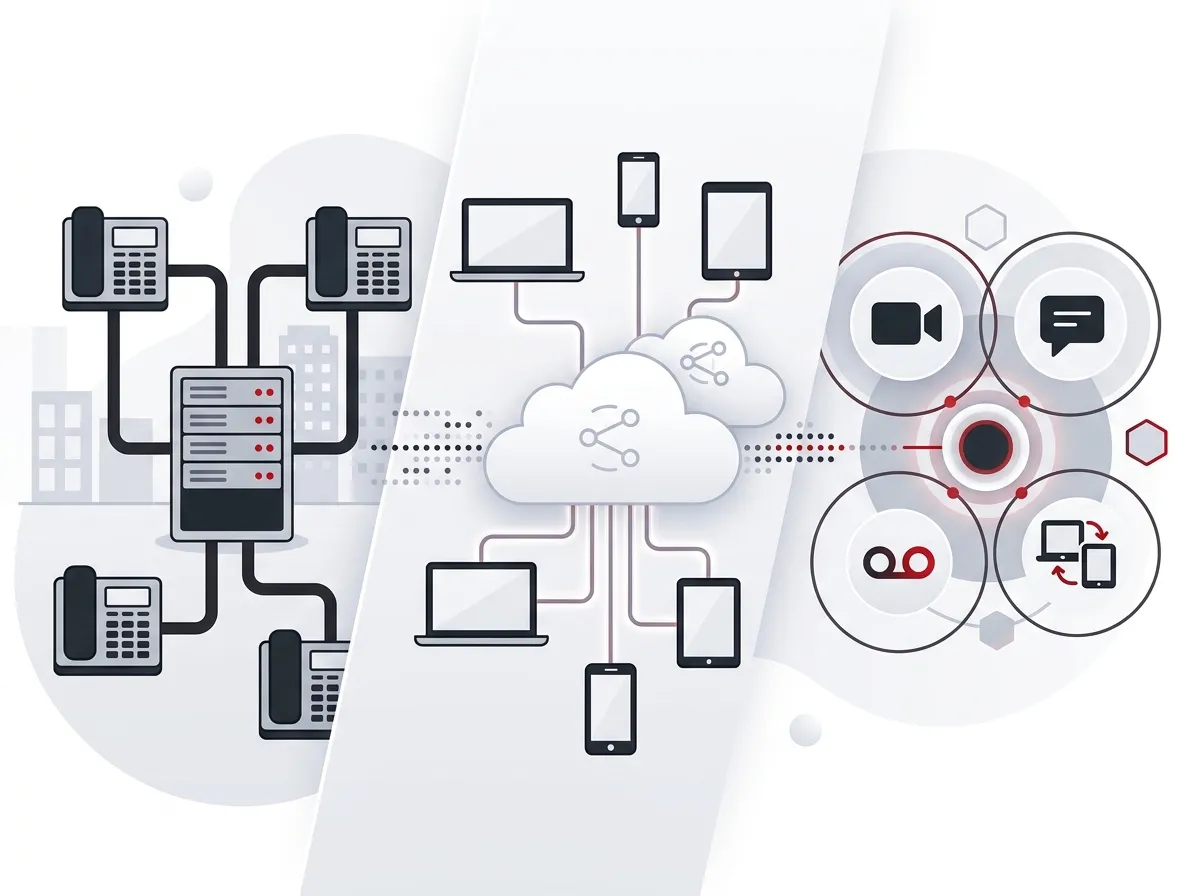
Before you pick a system, you need to know what your options are. There are a few main categories to consider.
Traditional Landline Systems
These use copper phone lines and physical hardware. They are reliable, but they come with high setup costs and limited flexibility. For most small businesses in 2026, this option is becoming outdated.
VoIP Phone Systems
VoIP (Voice over Internet Protocol) sends calls over your internet connection instead of phone lines. It is the most popular choice for small businesses today. Costs are lower, features are better, and you can scale up easily. Learn more about the key differences between VoIP and traditional phone systems.
Cloud-Based Phone Systems (UCaaS)
A cloud-based system is a type of VoIP that is hosted entirely online. There is no on-site hardware to manage. Your provider handles everything, and your team accesses the system through apps or desk phones. This is the fastest-growing option for small businesses.
Hosted PBX
A hosted PBX (Private Branch Exchange) is a cloud-managed version of the traditional office phone system. It gives you enterprise-level features without needing a server in your office. You can explore the common hosted PBX mistakes small businesses make before committing.
| System Type | Best For | Upfront Cost | Scalability |
|---|---|---|---|
| Traditional Landline | Businesses avoiding tech changes | High | Low |
| VoIP | Most small businesses | Low | High |
| Cloud-Based (UCaaS) | Remote or growing teams | Very Low | Very High |
| Hosted PBX | Businesses wanting enterprise features | Low-Medium | High |
Step 2: Identify Your Business Needs
Every small business is different. A solo consultant has very different needs than a five-person customer service team. Ask yourself these questions before shopping around.
- How many employees need phone access?
- Do your staff work remotely or in a fixed office?
- How many calls does your business handle daily?
- Do you need features like call recording, voicemail-to-email, or an auto-attendant?
- Do you plan to grow your team in the next 12-24 months?
- What is your monthly budget for communications?
Answering these questions honestly will narrow your options quickly. If you are growing fast, scalability should be your top priority. If budget is tight, a cloud VoIP system usually offers the best value. You can also explore affordable VoIP phone services for businesses to get a sense of realistic pricing.
Step 3: Know the Features That Matter Most
Modern phone systems for small businesses come packed with features. Not all of them are equally useful, so focus on what your team will actually use.
Must-Have Features for Small Businesses
- Auto-Attendant: Greets callers and routes them to the right person or department automatically.
- Voicemail to Email: Sends voicemail recordings directly to your inbox so nothing gets missed.
- Call Forwarding: Redirects calls to mobile phones, home offices, or other team members.
- Mobile App: Lets your team make and receive business calls from their smartphones.
- Call Analytics: Shows you call volumes, missed calls, and response times at a glance.
If you want the full picture of what to look for, this breakdown of VoIP phone system features every business needs in 2026 is a great starting point.
Step 4: Evaluate Your Internet Connection
Here is something many small business owners forget: a VoIP phone system is only as good as your internet connection. If your internet is slow or unreliable, your calls will be choppy and frustrating.
Before switching to any cloud-based system, make sure your connection meets the minimum speed requirements. A general rule of thumb is at least 100 kbps per concurrent call, though more bandwidth is always better. You can check what internet speed you need for VoIP to be sure your connection is ready.
| Number of Simultaneous Calls | Recommended Internet Speed |
|---|---|
| 1-5 calls | 5 Mbps minimum |
| 6-10 calls | 10 Mbps minimum |
| 11-20 calls | 25 Mbps minimum |
| 20+ calls | 50+ Mbps recommended |
If your internet connection needs an upgrade, it is worth sorting that out first. Check out these high-speed internet tips that can save your business money while improving performance.
Step 5: Compare Pricing and Value
Cost is always a factor for small businesses. The great news is that cloud VoIP systems are far more affordable than traditional phone setups. Most providers charge a monthly per-user fee, which makes budgeting predictable.
Here is a general pricing comparison to give you a realistic baseline.
| Plan Type | Typical Monthly Cost (Per User) | What Is Included |
|---|---|---|
| Basic VoIP | $15 – $25 | Calling, voicemail, basic features |
| Standard Cloud PBX | $25 – $40 | Auto-attendant, call routing, mobile app |
| Advanced UCaaS | $40 – $60 | Video calling, CRM integrations, analytics |
| Enterprise-Grade | $60+ | Full suite, dedicated support, compliance tools |
Want a deeper dive into what your business might spend? This guide on VoIP phone system costs for businesses breaks it all down clearly.
Step 6: Choose a Reliable Provider or Partner
This step is where many small business owners get stuck. There are dozens of providers out there, and they all promise to be the best. How do you actually know who to trust?
The smartest move is to work with a partner who knows the telecom landscape inside and out. That is exactly what Ideal Solutions Provider does. With over 24 years of experience and relationships with 35+ vetted suppliers, they act as your single point of contact — comparing options across providers so you get the best fit for your business, not just the most popular option. Learn more about how to choose cloud-based phone system providers to know what questions to ask.
Here is a numbered checklist of what to look for in a phone system provider:
- Proven track record with small businesses in your industry
- Transparent pricing with no hidden fees
- Reliable customer support (ideally 24/7)
- Flexibility to scale as your team grows
- Clear onboarding and installation process
- Experience with number porting so you keep your existing number
If you want to avoid common traps, read up on VoIP provider mistakes businesses must avoid.
Step 7: Plan Your Transition Carefully
Switching to a new phone system does not have to be stressful. With the right plan, it can be a smooth and exciting upgrade. Here is a simple transition checklist to follow:
- Audit your current setup. Know what you have before you decide what to move to.
- Keep your existing number. Number porting ensures your customers can still reach you. Here is how to keep your phone number when switching to VoIP.
- Test before going live. Run the new system in parallel with your old one briefly.
- Train your team. Even simple systems need a quick walkthrough for staff.
- Go live with support standing by. Make sure your provider is reachable during the cutover.
You can also follow the five steps to switch your business phone to the cloud for a clear, confidence-building transition roadmap.
Common Mistakes to Avoid
Small business owners sometimes make the same avoidable mistakes when choosing a phone system. Here is what to watch out for:
- Choosing a system based only on price — features and reliability matter too.
- Not checking internet bandwidth before switching to VoIP.
- Forgetting to plan for growth — you will need a scalable system.
- Skipping the number porting step and losing your business phone number.
- Picking a provider without checking their support reputation.
For even more pitfalls to sidestep, this list of cloud phone system mistakes small businesses make is well worth a read.
Bonus: Should You Bundle Phone and Internet?
Many small businesses find real savings by bundling their phone system with their business internet service. When both services come through one provider or partner, you simplify billing, support, and troubleshooting. It is one less headache in your day.
You can read more about how to bundle your business phone and internet service to see if this approach fits your setup. Follow Ideal Solutions Provider on Facebook for regular tips on saving money on your business communications.
Making the Final Decision
Choosing the right phone system for small business comes down to matching features to your actual needs, getting the right price, and working with a trustworthy partner. You do not need to overthink it. Start with your team size, your budget, and your growth plans — and the right system will become clear.
The most important thing is to take action. Every day you stay on an outdated or overpriced system is money and opportunity walking out the door. You can also explore why businesses are switching to VoIP in 2026 for some motivating context.
If you are ready to explore what the best cloud-based options look like for your specific situation, check out our guide on which cloud-based phone system is best for businesses. You can also browse our YouTube channel and Instagram page for real-world examples and client stories that bring these solutions to life.
The right phone system is out there waiting for your business. You just need to take the first step. Reach out to our team today for a free consultation and let us help you find the perfect fit — without the guesswork, the upsells, or the runaround.
FAQs
Q: What is the best type of phone system for a small business in 2026?
A: For most small businesses in 2026, a cloud-based VoIP system is the top choice! It offers low upfront costs, great features like auto-attendants and mobile apps, and it scales easily as your team grows — no bulky hardware required.
Q: How much does a phone system for a small business typically cost?
A: Cloud VoIP plans usually run between $15 and $40 per user per month for most small businesses. That is a big win compared to traditional systems, which often come with high setup fees and pricey maintenance contracts.
Q: Do I need a fast internet connection for a VoIP phone system?
A: Yes, but the good news is the requirements are pretty modest! You generally need around 100 kbps of bandwidth per simultaneous call. Most modern business internet connections handle VoIP just fine — just check your speed before making the switch.
Q: Can I keep my existing business phone number when switching systems?
A: Absolutely — and you definitely should! This process is called number porting, and most reputable VoIP providers offer it at no extra charge. It keeps things seamless for your customers and means you do not have to reprint all your marketing materials.
Q: Should I bundle my phone system with my business internet service?
A: Bundling your phone and internet through a single partner is a smart move for most small businesses. It simplifies billing, makes troubleshooting much easier, and often saves you money compared to managing two separate services independently.