

Key Takeaways
-
Implement zero trust principles that verify every user, device, and request continuously rather than trusting anyone inside the network by default, as this protects connected cloud systems like phones, cameras, and access platforms.
-
Use multi-factor authentication (MFA) instead of passwords alone, starting with admin accounts first, then rolling out to all employee logins to significantly reduce unauthorized access risks.
-
Reference established frameworks like NIST SP 800-210, ISO/IEC 27017, and telecom-specific standards (3GPP, ETSI, GSMA) when building access control policies rather than creating rules in isolation without foundational guidance.
-
Conduct quarterly access reviews, immediately remove permissions when employees leave, and integrate access control with your entire network infrastructure instead of treating it as a one-time setup independent from other business systems.
Picture this: your office door unlocks with a tap on someone’s phone, and your cameras stream to the cloud from anywhere. Pretty amazing, right? But here’s the thing that keeps IT managers up at night: if the security standards behind that cloud access control system aren’t solid, you’re basically leaving a digital door wide open. We’ve talked to a lot of business owners in Tampa Bay and beyond who assumed their access control was locked down tight, only to discover gaps that could have caused real headaches.
The good news is that fixing these mistakes isn’t complicated once you know what to look for. Cloud access control security standards exist to make sure only the right people, at the right time, get into your systems and your buildings. Whether you’re running a small office or managing a multi-location franchise, understanding these standards protects your business, your team, and your customers. Let’s walk through the most common missteps and how to steer clear of them, together.
1. Ignoring Zero Trust Principles
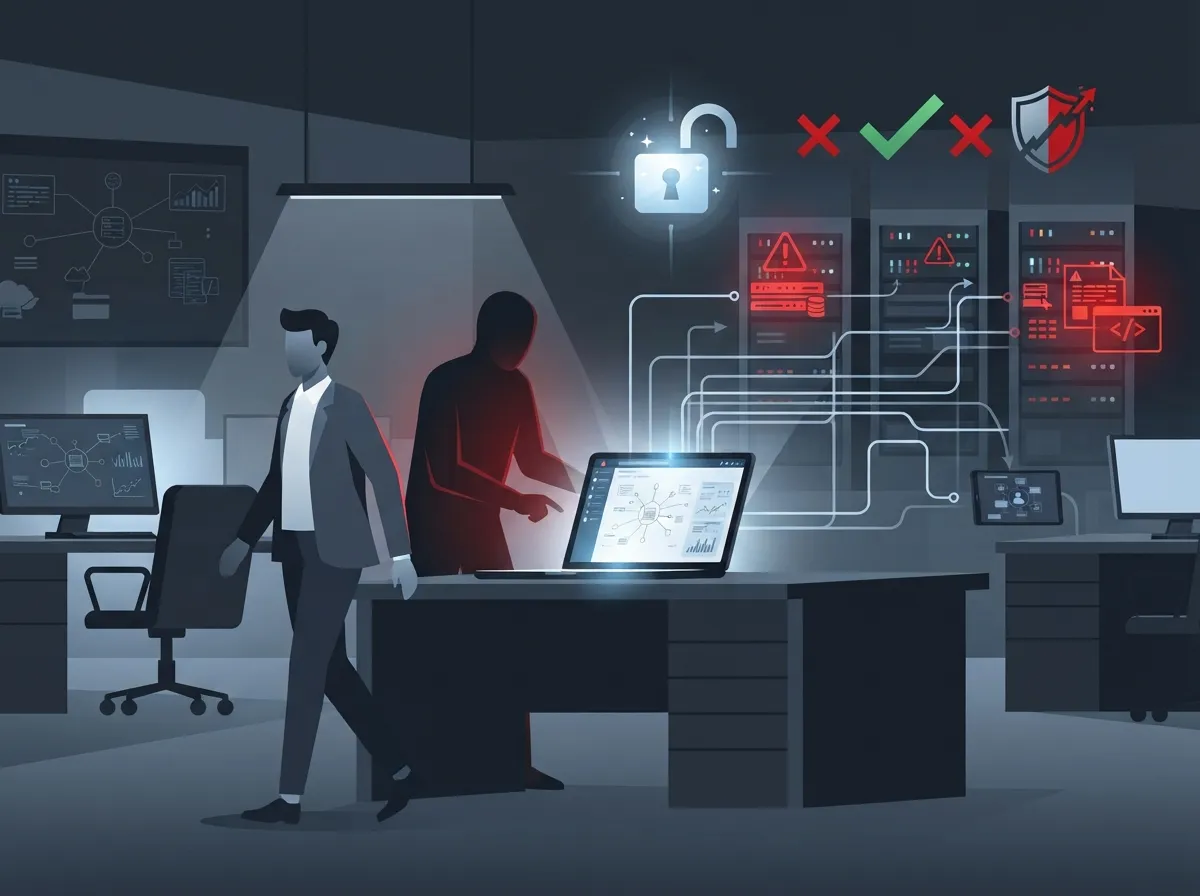
The biggest mistake we see is companies still trusting anyone inside their network by default. That old way of thinking just doesn’t cut it anymore. Zero trust flips the script by checking every user, device, and request every single time, no matter where they connect from.
Telecom-specific zero trust guidance is actively being developed to fill this gap. This matters because your cloud phone systems, security cameras, and access control platforms all live in connected environments now.
- Every login gets verified, even from known devices
- Access is granted based on current risk, not past trust
- Network location alone never grants automatic access
- Continuous monitoring replaces one-time checks

2. Skipping NIST-Based Access Control Guidance
Another common slip-up is building access control policies without leaning on established frameworks. NIST SP 800-210 offers general access control guidance for cloud systems across IaaS, PaaS, and SaaS models. It’s a focused, 34-page document, so it’s not overwhelming to review.
This publication came out in April 2020 and was later updated, which shows how fast this space moves. Businesses that skip this kind of foundational guidance often build access rules that look good on paper but fall apart under real-world pressure.
Why This Standard Still Matters
Even though newer zero trust models have taken center stage, NIST SP 800-210 remains a useful baseline for understanding cloud delivery models. It helps you ask the right questions when evaluating any cloud-based access control system for your business.
3. Overlooking ISO/IEC 27017 Requirements
ITU-T X.1631, which lines up with ISO/IEC 27017, is an international cloud security standard. It covers both providers and customers, which is a big deal for shared responsibility. Too many businesses assume their cloud vendor handles everything, but that’s simply not how it works.
| Standard | Focus Area | Who It Applies To |
|---|---|---|
| NIST SP 800-210 | General cloud access control | IaaS, PaaS, SaaS users |
| ISO/IEC 27017 | Cloud security controls | Providers and customers |
| ITU-T Zero Trust Work | Telecom-specific access platforms | Telecom operators |
4. Relying Only on Passwords Instead of MFA
This one’s a classic mistake, and it’s still shockingly common. Passwords alone just don’t stand up to modern threats. Multi-factor authentication, or MFA, adds a second layer that makes unauthorized access far harder.
Telecom cloud access control commonly relies on MFA alongside role-based and attribute-based access controls to limit exposure. If your current setup only asks for a password, it’s time for an upgrade.
Simple Steps to Add MFA
- Audit which systems currently lack MFA protection
- Choose an authentication method your team will actually use
- Roll out MFA to admin accounts first
- Extend coverage to all employee logins
- Test the process regularly for gaps
5. Confusing RBAC and ABAC Approaches
Role-based access control, or RBAC, grants permissions based on someone’s job title. Attribute-based access control, or ABAC, looks at multiple factors like location, device, and time of day. Mixing these up, or using the wrong one for your setup, creates unnecessary risk.
- RBAC works well for simple, stable teams with clear roles
- ABAC fits businesses needing flexible, context-aware decisions
- Many telecom environments now blend both approaches
- Microsegmentation adds another layer by isolating sensitive systems
6. Forgetting About 3GPP, ETSI, and GSMA Alignment
Industry guidance increasingly maps zero trust principles to existing telecom standards from 3GPP, ETSI, GSMA NESAS, and O-RAN. If your access control strategy ignores these frameworks entirely, you might be missing pieces that matter for compliance and interoperability.
This is exactly the kind of gap that a knowledgeable telecom partner can help close. Working with Ideal Solutions Provider means you get guidance that connects these bigger industry standards to your day-to-day operations.
7. Treating Access Control as a One-Time Setup
Here’s a mistake that sneaks up on busy office managers: setting up access control once and never revisiting it. Employees leave, roles change, and vendors come and go. If your permissions don’t update along with your business, old access rights just sit there as risks.
A Better Ongoing Review Process
- Schedule quarterly access reviews for all users
- Remove permissions immediately when someone leaves
- Update roles when responsibilities shift
- Document every change for audit purposes
- Test emergency lockout procedures twice a year
Regular reviews also pair nicely with routine checks on your cloud video security provider to make sure cameras and access points work together smoothly.
8. Underestimating the Compliance Gap in Cloud-Native Telecom
A recognized gap remains in standardized, telecom-specific deployment guidance for zero trust in cloud-native operator environments. This is especially true when it comes to interoperability and business continuity.
Many growing companies assume standards fully cover their situation. In reality, plenty of businesses are working in a gray area, especially those running multi-location franchises or complex networks. Recognizing this gap early helps you plan smarter instead of reacting to problems later.
- Ask vendors directly about their compliance documentation
- Request evidence of regular security audits
- Confirm how systems handle failover during outages
- Clarify who owns responsibility for each layer of security
9. Choosing Access Control Without Considering Your Whole Network
Finally, one of the biggest mistakes is picking an access control system in isolation. Your access control doesn’t exist alone. It connects to your business network solutions, your phone systems, and your structured cabling infrastructure.
When these pieces aren’t planned together, you end up with weak links that hackers love to find. A single point of contact who understands your entire telecom ecosystem can prevent this from happening in the first place.
What a Unified Approach Looks Like
| Component | Common Mistake | Better Practice |
|---|---|---|
| Access Control | Installed separately from network | Integrated with overall security plan |
| Internet Connection | Underpowered for cloud demands | Sized for cloud traffic and cameras |
| Cabling | Outdated wiring limits speed | Modern cabling supports growth |
Businesses that rely on a reliable Internet Service Provider and properly planned infrastructure tend to have far fewer access control headaches down the road. It really does start with the basics.
Bringing It All Together
Cloud access control security standards aren’t just technical checkboxes. They’re the backbone of trust between your business and everyone who walks through your doors or logs into your systems. From zero trust principles to NIST guidance, ISO standards, and telecom-specific frameworks, there’s a lot to consider. But you don’t have to figure it all out alone.
We’ve seen firsthand how these nine mistakes trip up even well-meaning businesses. The encouraging part is that every single one is fixable with the right guidance and a bit of planning. You’ve already taken a great step by learning what to watch for, and that puts you ahead of a lot of businesses out there.
If you’d like a friendly, no-pressure review of your current access control setup, our team would love to help. Contact us today, or call us to talk through your options. You can also follow along on Facebook, Instagram, or YouTube for more tips on keeping your business connected and protected.
FAQs
Q: What are the main cloud access control security standards for telecom companies?
A: The big ones to know are NIST SP 800-210 for general cloud access guidance, ISO/IEC 27017 for shared provider-customer responsibility, and emerging ITU-T zero trust work aimed specifically at telecom networks. Together, they give you a solid starting point for building a secure, trustworthy access control setup.
Q: How does zero trust apply to telecom cloud access control?
A: Zero trust means every user and device gets verified continuously, instead of being trusted just because they’re on your network. For telecom systems, this is huge since it protects your phone systems, cameras, and access platforms from being an easy target once someone gets past the front door.
Q: What is the difference between RBAC and ABAC in telecom cloud security?
A: RBAC gives access based on someone’s role, like manager or technician, while ABAC looks at extra details like location, device type, or time of day. Many businesses actually blend both to get the flexibility and simplicity that fits their team best.
Q: Which NIST standards are relevant to cloud access control in telecom?
A: NIST SP 800-210 is the key reference here, offering guidance across IaaS, PaaS, and SaaS cloud models. It’s a great foundational document, even though the industry has since moved toward zero trust as the leading approach.
Q: What are the biggest compliance gaps in telecom cloud access control today?
A: The most notable gap is the lack of standardized, telecom-specific deployment guidance for zero trust in cloud-native environments, especially around interoperability and business continuity. That’s exactly why working with an experienced telecom partner can make such a difference.