Key Takeaways
-
Most enterprise cloud access control vendors charge $5-$20 per door monthly for standard plans, but enterprise tiers with advanced features run $30-$200 per door, making it critical to get multiple quotes for accurate budgeting.
-
First-year costs are significantly higher than subsequent years due to one-time hardware ($500-$2,000 per door) and professional installation ($300-$800 per door) expenses, which must be factored into your total investment.
-
Enterprise plans cost more because they include advanced analytics, visitor management, mobile credentials, multi-location dashboards, and compliance features that small business plans lack—only pay for these if you actually need them.
-
Hidden costs like data storage overages, API integration fees, premium support tiers, and cancellation penalties can dramatically increase your total expense, so request full contract transparency before signing.
-
Bulk pricing discounts are available for multi-location franchises and large deployments, but installation and support costs still multiply per site, so negotiate volume rates and centralized management fees specifically.
-
A reliable internet connection and updated network infrastructure are essential for cloud access control performance; integrating this with your broader telecom setup prevents system lag and ensures timely security alerts.
Picture this: you’re the IT manager for a growing company, and your boss just asked you to price out cloud access control for six office locations. You start googling, and suddenly you’re drowning in numbers that don’t match up. One vendor quotes $5 a door. Another wants $150. What in the world is going on?
Take a breath, friend. You’re not doing anything wrong. Enterprise cloud access control pricing is genuinely confusing, and that’s not your fault. The good news? Once you understand how this pricing actually works, you can budget with confidence instead of guessing. We’re going to walk through it together, step by step, in plain language. By the end, you’ll know exactly what questions to ask and what a fair price looks like for your business.
What Is Enterprise Cloud Access Control, Anyway
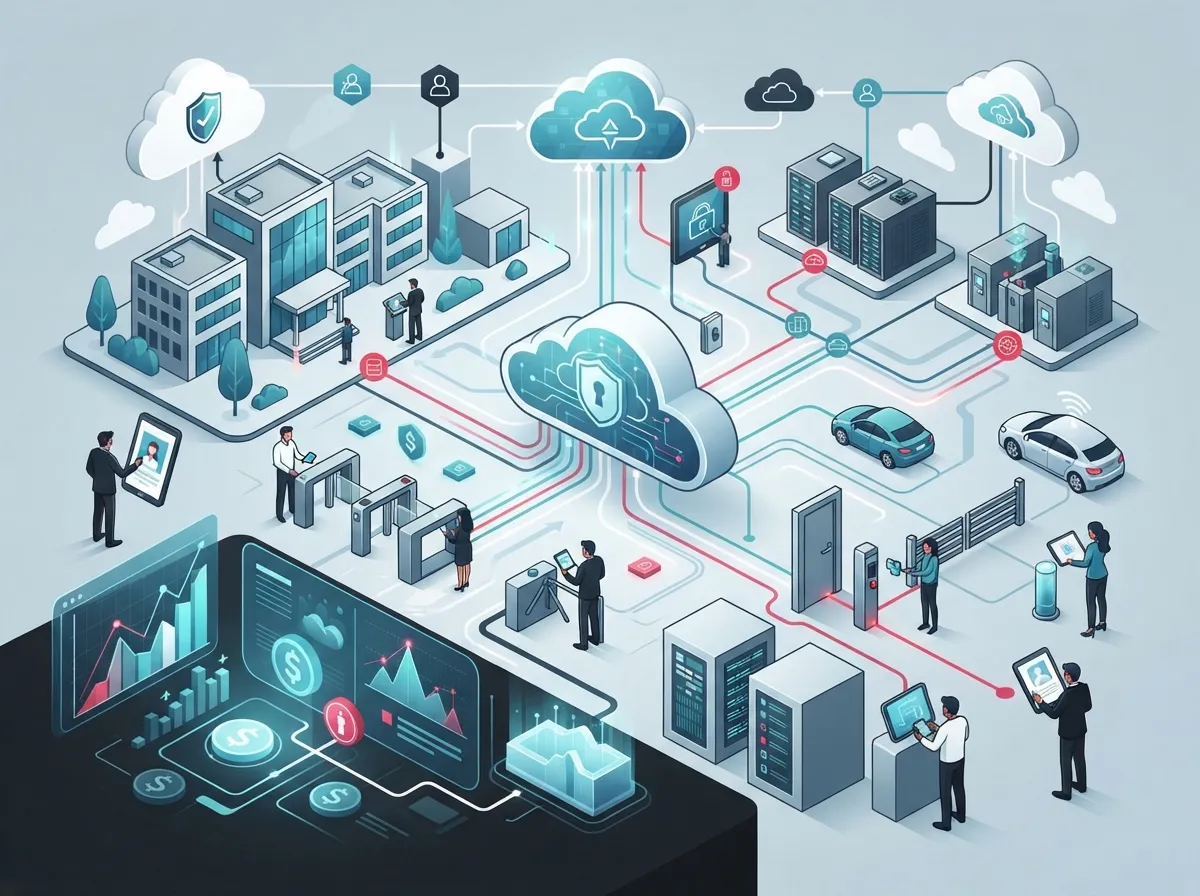
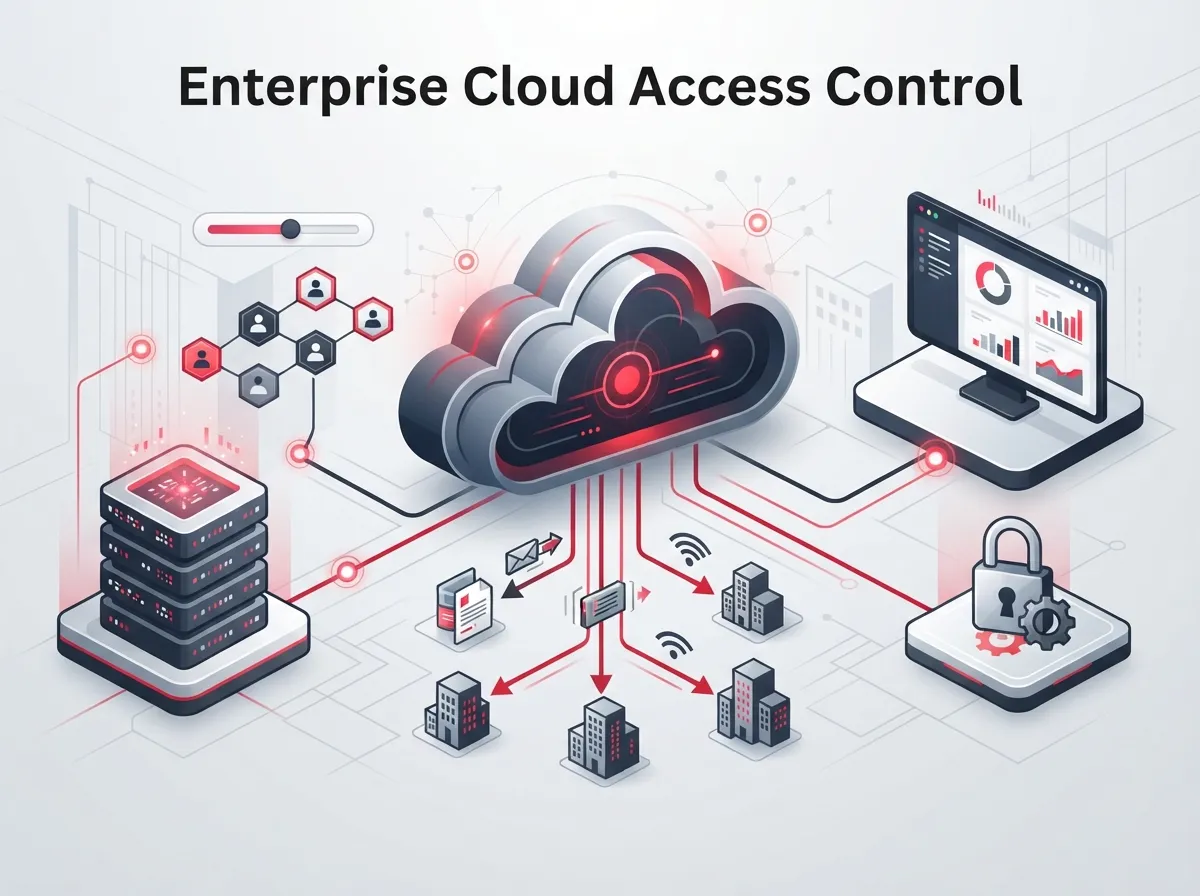
Enterprise cloud access control is a system that lets you manage who can enter your buildings using the internet instead of old-school wiring and on-site servers. Think keyless entry, mobile credentials, and real-time alerts, all managed from a dashboard you can access from anywhere. It replaces the clunky metal keys and outdated card readers many businesses still use today.
For growing companies with multiple locations, this matters a lot. You can lock or unlock doors remotely, see who came and went, and add or remove access for employees in seconds. No more calling a locksmith when someone loses their key fob. If you want a deeper look at how this technology works, check out this guide on what cloud access control actually is.
How Enterprise Cloud Access Control Pricing Actually Works
Here’s the part that trips up most business owners. Cloud access control isn’t sold like a one-time purchase. It’s sold as a subscription, kind of like Netflix, but for your building’s security. You pay a recurring fee, usually every month, for as long as you use the software.
Most vendors charge per door, per month. That means if you have 10 doors, you multiply the per-door rate by 10. Simple in theory, but the actual dollar amount varies wildly depending on your provider and the features you need.
The Two Main Cost Buckets
To keep things simple, think of enterprise cloud access control pricing as two separate buckets:
- Hardware costs: The physical stuff, like door controllers, card readers, and wiring, which you usually buy upfront.
- Software subscription costs: The ongoing monthly fee for the cloud platform that runs everything.
Some providers bundle these together in one quote. Others break them apart. Either way, you need to ask about both, or you’ll get surprised later.
Typical Pricing Ranges You Should Expect
Let’s talk real numbers, because vague pricing guides help nobody. Based on current 2026 market data, here’s what businesses are generally paying.
| Cost Category | Typical Range | Notes |
|---|---|---|
| Cloud software subscription | $3.50 – $15+ per door/month | Standard business tiers |
| Enterprise software tiers | $30 – $200 per door/month | Advanced features, analytics, integrations |
| Hardware (controllers, readers) | $500 – $2,000 per door | One-time upfront cost |
| Professional installation | $300 – $800 per door | Labor and setup |
Notice how enterprise pricing can climb much higher than basic plans. That’s because enterprise tiers usually include things like visitor management, mobile credentials, and deep integrations with other security systems. We’ll break down why that matters in a bit.
A Real-World Example
Say your company has 10 doors across one office. Using $5 to $20 per door per month, your monthly software bill would land somewhere between $50 and $200. That sounds manageable, right? But don’t forget the hardware and installation. If each door costs $1,000 for hardware and $500 for installation, you’re looking at $15,000 upfront before your subscription even kicks in.
One published enterprise example shows a base platform running around $580 per month, with per-door pricing between $11 and $16. That base fee often covers platform access, support, and a set number of included doors before per-door charges apply. This is exactly why understanding true access control costs before signing anything saves you from budget headaches down the road.
Why Enterprise Plans Cost More Than Small Business Plans
You might wonder why enterprise pricing jumps so much higher than a basic small business plan. It’s not just a markup for the word “enterprise.” There are real reasons behind the higher cost.
- Advanced analytics: Enterprise plans often include detailed reporting on who accessed what, when, and how often.
- Visitor management: Larger companies need to track guests, contractors, and deliveries, which requires extra software features.
- Mobile credentials: Letting employees unlock doors with their phones requires additional backend support.
- System integrations: Enterprise clients often connect access control to video security, HR systems, or building automation.
- Multi-site management: Franchise operators and companies with several locations need centralized control across every site.
- Compliance features: Industries like healthcare need audit trails and compliance reporting built into the platform.
If your business only needs basic door locking and unlocking, you probably don’t need the top-tier enterprise package. But if you’re managing multiple locations or need tight security records, those extra features earn their keep fast.
What’s Included in a Typical Enterprise Quote
When a vendor sends you a proposal, it should spell out exactly what you’re paying for. Here’s a checklist of what a solid quote should cover.
- Number of doors and locations covered
- Monthly per-door software fee
- Base platform fee, if applicable
- Hardware costs, itemized by device type
- Installation labor charges
- Ongoing support and maintenance terms
- Contract length and cancellation terms
- Data storage limits or fees
If a quote is missing any of these, that’s a red flag. Ask for clarification before you sign. This is exactly the kind of situation where working with a trusted telecom partner pays off, since choosing the right access control system requires comparing apples to apples across vendors.
Hidden Costs That Catch Businesses Off Guard
Nobody likes surprise fees. Unfortunately, cloud access control pricing has a few sneaky spots where costs can creep up on you.
Common Hidden Costs to Watch For
- Data storage overages: Some platforms charge extra once you exceed a certain amount of stored access logs.
- API or integration fees: Connecting your access control to other systems sometimes costs extra.
- Support tier upgrades: Basic support might be included, but faster response times often cost more.
- Firmware or hardware replacement: Old readers or controllers may need upgrades that aren’t covered under your subscription.
- Cancellation penalties: Some contracts lock you in for years with steep fees for early termination.
Reading the fine print matters here. A cheap-looking monthly rate can turn expensive fast if these extras aren’t disclosed upfront.
Per Door vs Per User Pricing
This is a question we hear a lot: do vendors charge by door or by user? The honest answer is, it depends on the provider. Most enterprise cloud access control platforms bill per door, since that reflects the hardware and bandwidth needed to manage each entry point.
However, some platforms also factor in the number of user credentials, especially if you’re issuing mobile badges to hundreds of employees. Always ask directly whether your quote is based on doors, users, or a combination of both. This single question can change your total cost estimate significantly.
Steps to Get an Accurate Enterprise Pricing Quote
Ready to actually request pricing? Follow these steps to make sure you get an apples-to-apples comparison across vendors.
- Count your total number of doors and locations that need coverage.
- List the features you actually need, like mobile access or visitor logs.
- Ask each vendor for a full breakdown of hardware, installation, and subscription costs.
- Request first-year total cost, not just the monthly subscription rate.
- Confirm contract length and any cancellation fees before signing.
- Ask about ongoing support response times and what’s included.
- Compare at least two or three vendors side by side before deciding.
This process takes a bit of time, but it saves you from committing to a system that doesn’t fit your budget or your building’s needs. If you’d rather skip the legwork, a telecom partner familiar with 35+ vetted suppliers can compare options for you.
Cloud Access Control and Your Broader Telecom Setup
Here’s something a lot of businesses miss. Access control doesn’t operate in a bubble. It relies on your internet connection, your network reliability, and often ties into your security cameras and phone systems too. A shaky internet connection can cause your doors to lag or your alerts to arrive late.
That’s why many companies look at access control alongside their broader telecom picture, including high-speed internet services and network infrastructure. If your building’s structured cabling is outdated, even the best access control software will struggle to perform well. Pairing access control with reliable scalable systems for multi-location businesses gives you one less thing to worry about.
Franchise and Multi-Location Pricing Considerations
If you’re managing multiple sites, pricing gets a little more layered. Franchise operators often qualify for bulk pricing discounts on a per-door basis, but installation and support costs can still add up quickly across locations.
| Business Type | Typical Pricing Approach | Key Consideration |
|---|---|---|
| Single small office | Standard per-door monthly rate | Lower total doors, simpler quote |
| Mid-sized enterprise | Custom quote based on features | May need integrations and analytics |
| Multi-location franchise | Bulk per-door discount | Installation costs multiply per site |
Franchise owners should ask vendors specifically about volume discounts and centralized management fees. Managing 20 locations from one dashboard is a huge time saver, but make sure that convenience is reflected fairly in your pricing.
Working With a Single Telecom Partner
Here’s the honest truth. Comparing enterprise cloud access control pricing across dozens of vendors takes real time and expertise. That’s exactly why businesses across Tampa Bay and beyond turn to Ideal Solutions Provider for help. With over 24 years of experience and partnerships with 35+ vetted suppliers, they act as a single point of contact for access control, security cameras, networking, and phone systems.
Instead of juggling multiple sales calls and confusing quotes, you get straightforward comparisons based on your actual needs, not a sales quota. Many companies they audit discover they’re overpaying or underperforming with their current setup, often both. A quick consultation can reveal savings you didn’t know were possible.
Frequently Asked Pricing Questions Answered Simply
Let’s wrap up with quick, clear answers to the questions we hear most often about enterprise cloud access control pricing.
- Cloud platforms bill monthly, similar to a subscription service.
- Hardware is typically a one-time upfront purchase.
- Enterprise tiers cost more due to added features and integrations.
- First-year costs are almost always higher than year two and beyond.
- Bulk deployments across multiple doors usually lower your per-door rate.
Keep these basics in mind, and you’ll walk into any vendor conversation feeling prepared instead of overwhelmed.
Final Thoughts on Budgeting for Enterprise Access Control
Enterprise cloud access control pricing doesn’t have to feel like a mystery. Once you understand the difference between hardware and subscription costs, know what features actually matter for your business, and ask the right questions, you’re in a great position to make a smart decision. Whether you’re securing a single office or a dozen franchise locations, the goal is the same: reliable protection without breaking your budget.
You don’t have to figure this out alone. If you’re ready to get real numbers for your business instead of guessing, reach out to our team for a free consultation, or give us a call today to talk through your specific needs. We’re here to make this process as simple as it should be. You can also follow along on Facebook, Instagram, or YouTube for more tips on business telecom and security solutions.
FAQs
Q: How much does enterprise cloud access control cost per door?
A: Most businesses pay somewhere between $5 and $20 per door each month for standard plans, but enterprise tiers with extra features can run $30 to $200 per door monthly. The exact price depends on your features, number of doors, and the vendor you choose, so it’s always worth getting a few quotes to compare.
Q: What is included in cloud access control pricing?
A: A typical quote includes your monthly software subscription, upfront hardware costs like controllers and readers, and installation labor. Some vendors also bundle in support, data storage, and mobile credential features, so always ask for a full breakdown before you commit.
Q: Why is enterprise access control more expensive than standard access control?
A: Enterprise plans usually include extras like advanced analytics, visitor management, mobile credentials, and integrations with other security systems. These features take more backend technology to support, which is why the pricing sits higher than a basic small business plan.
Q: Do cloud access control vendors charge per door or per user?
A: Most vendors charge per door since that reflects the actual hardware and system resources needed. That said, some platforms also factor in user credentials, especially for mobile access, so it’s smart to ask exactly how your quote is calculated.
Q: What are the hidden costs of cloud access control systems?
A: Watch out for data storage overages, integration fees, premium support upgrades, and early cancellation penalties. These costs don’t always show up in the initial pitch, so reading your contract carefully can save you from surprise charges later.