Key Takeaways
-
Cloud access control enterprise grade enables centralized management of multiple locations from one dashboard, allowing permission updates in seconds instead of days—critical for franchise operators and multi-site businesses.
-
Zero Trust verification principles built into enterprise systems require real-time identity validation for every access attempt, significantly reducing security risks compared to traditional badge-based systems.
-
Mobile credentials eliminate costly key card replacements ($5-15 per card) and enable instant remote access revocation, reducing both administrative overhead and security vulnerabilities from lost badges.
-
Enterprise-grade systems integrate directly with VoIP, security cameras, and network infrastructure through a single provider, delivering stronger security visibility and simplified troubleshooting versus managing multiple separate vendors.
Picture this: your business has grown from one office to five locations, and you’re still handing out metal keys like it’s 1995. Sound familiar? If you’re a growing business, IT manager, or franchise operator juggling multiple sites, you already know the headache of outdated door locks and lost key cards. That’s exactly where cloud access control enterprise grade solutions come in, and honestly, they’re kind of a game-changer.
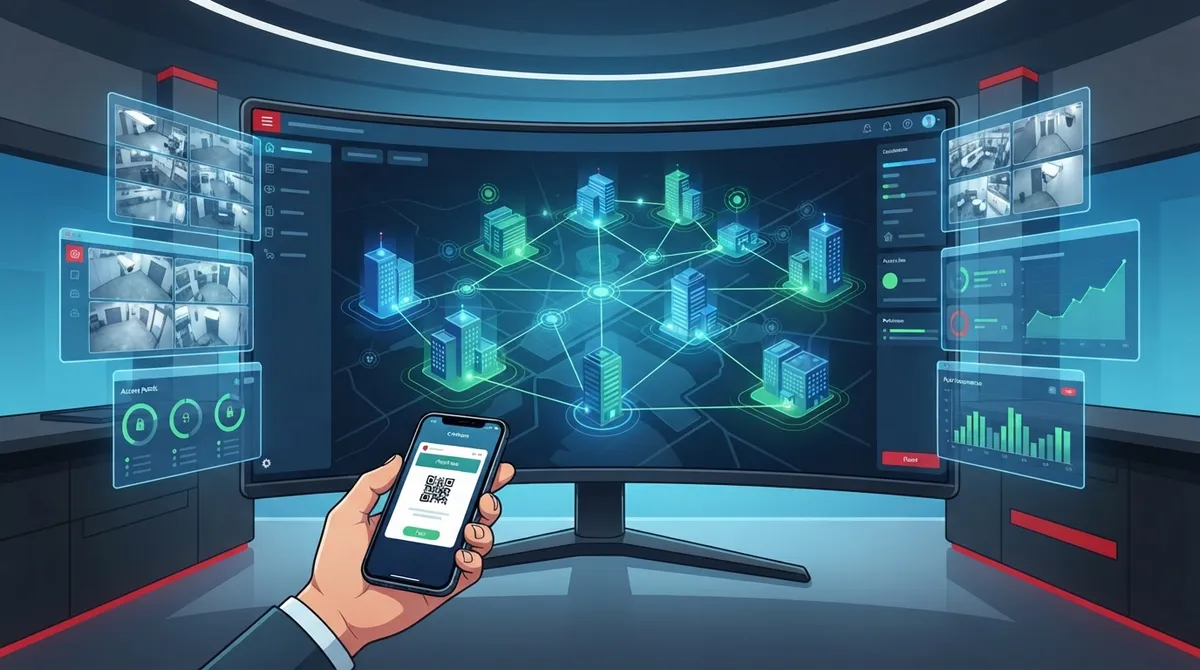
At its core, cloud access control enterprise grade means managing every door, every user, and every permission from one dashboard, no matter where your buildings are located. It’s built on the same trust-nothing-until-verified thinking that’s reshaping telecom security everywhere. Instead of assuming someone belongs just because they have a badge, enterprise-grade systems check identity every single time. Let’s walk through seven reasons this approach is winning over Tampa businesses and companies nationwide, plus how to know if you’re ready to make the switch.
1. Centralized Management Across Every Location
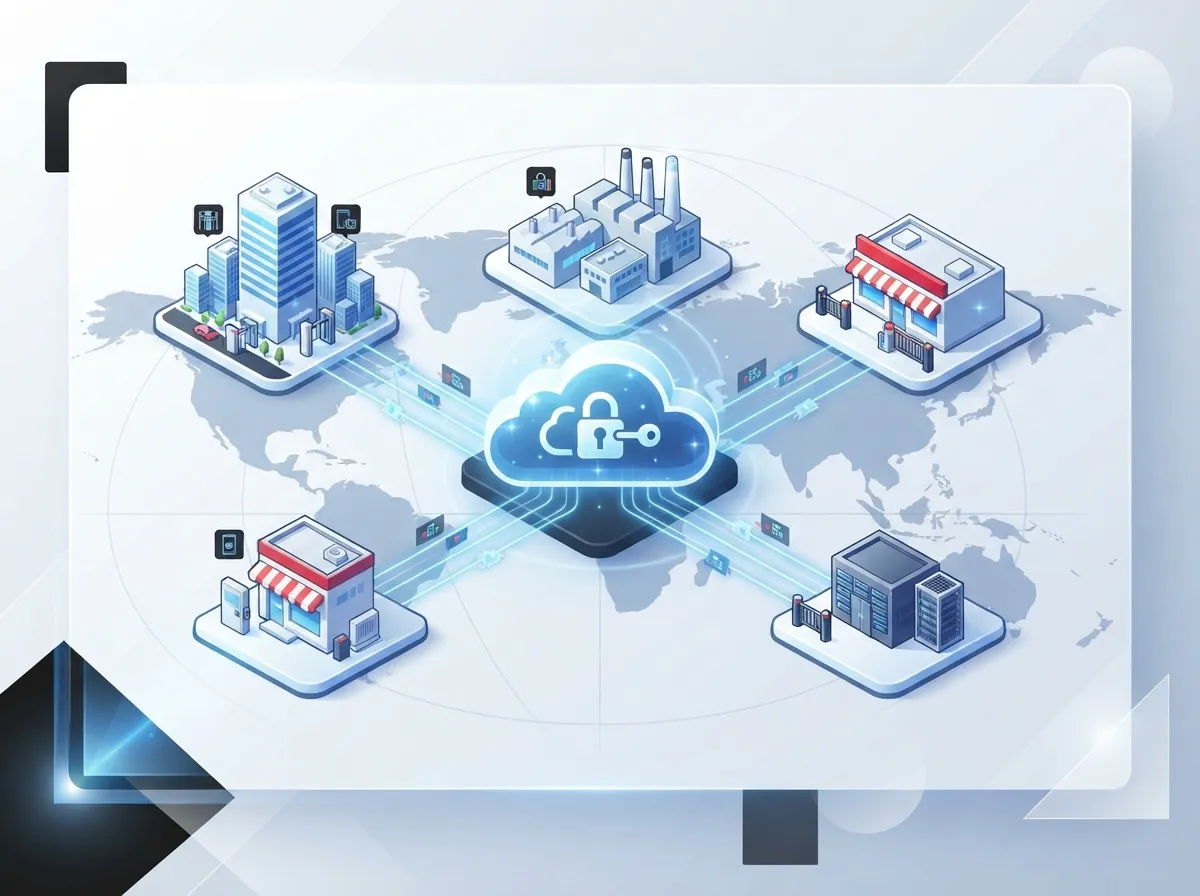
If you run a franchise with locations scattered across Tampa Bay or beyond, you know how painful it is to manage separate lock systems at each site. Cloud access control enterprise grade tools fix this by putting every door under one login. You can grant or remove access company-wide in seconds, not days.
This matters most for multi-location businesses and franchise operators who need consistency. Instead of calling five different locksmiths, your office manager can update permissions from a laptop or phone. It’s a simple shift, but it saves hours every single week.
2. Real-Time Alerts Keep You in the Loop
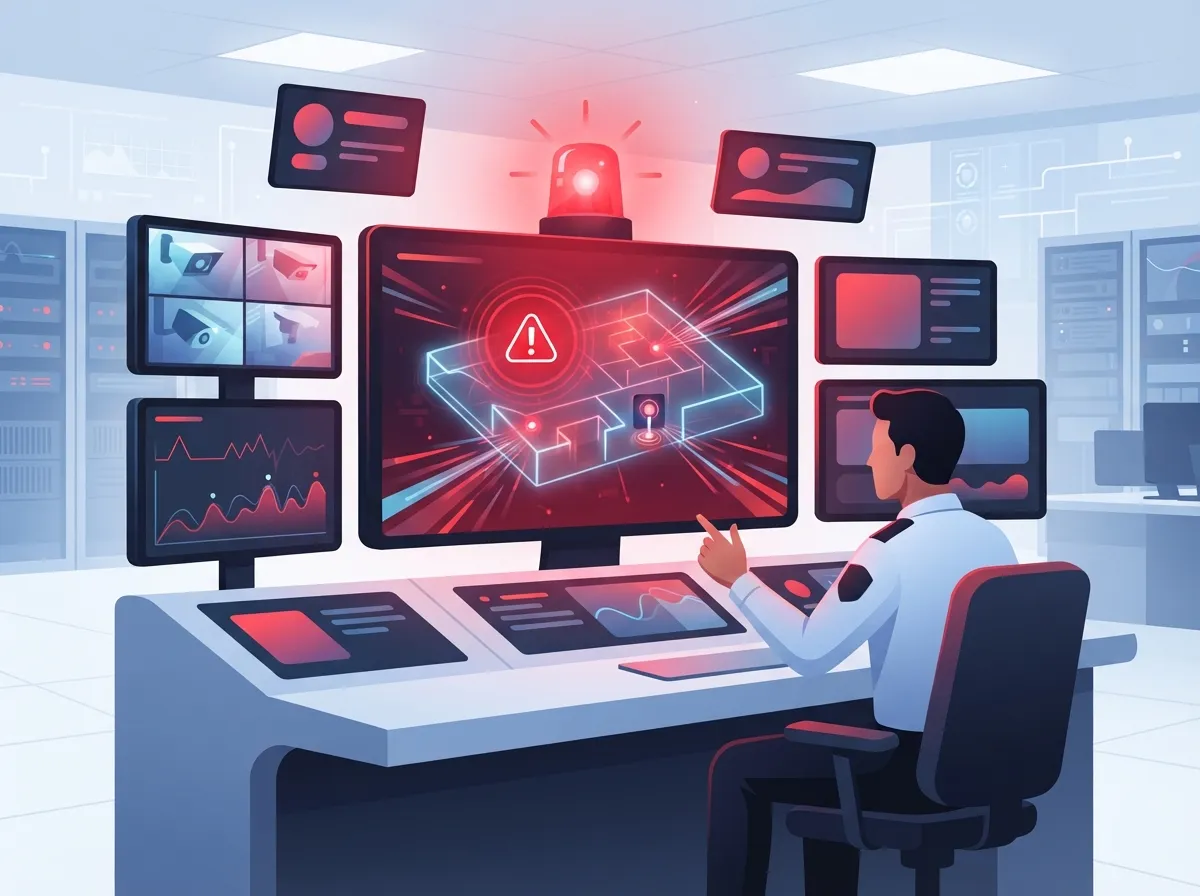
Nobody wants to find out about a break-in the next morning. Enterprise-grade cloud systems send instant alerts the moment something unusual happens, like a door propped open too long or an attempted entry after hours.
These alerts go straight to your phone, so you’re never left guessing. This kind of visibility is one of the biggest reasons Tampa businesses love cloud access control as much as they do in 2026.
What Gets Monitored?
- Door open and close times
- Failed access attempts
- After-hours entry requests
- Devices going offline unexpectedly
- Unusual patterns, like a badge used at two locations minutes apart
3. Zero Trust Principles Built Right In
Here’s where things get interesting for IT managers who care about deeper security. Enterprise-grade cloud access control leans heavily on Zero Trust thinking, a security model gaining serious traction across telecom networks. Zero Trust means nobody gets automatic access just because they’re inside the building or on the network already.
According to research on Zero Trust Architecture for Telecom Operations, this approach requires ongoing verification for every user, device, and service before granting entry. That’s a big deal for telecom-connected facilities where access control ties directly into your phone systems, servers, and network closets.
A related paper on Zero Trust for 5G and cloud-native telecom operators makes it clear this isn’t just a buzzword. It’s becoming the standard for protecting distributed networks, and access control is a huge piece of that puzzle.
4. Mobile Credentials Replace Clunky Key Cards
Let’s be honest, key cards get lost. A lot. Enterprise-grade cloud systems let employees use their smartphones as credentials instead. No more replacing lost cards or rekeying doors every time someone leaves the company.
Here’s a quick comparison of traditional versus cloud-based credential methods:
| Feature | Traditional Key Cards | Cloud Mobile Credentials |
|---|---|---|
| Replacement Cost | $5-$15 per card | $0 (uses existing phone) |
| Revoke Access Speed | Requires physical collection | Instant, remote revocation |
| Multi-Site Management | Separate systems per site | One dashboard, all sites |
| Audit Trail | Limited or manual logs | Automatic, searchable records |
For small business owners just getting started with security upgrades, this alone can justify the switch. It’s one less thing to manage, and one less way for a lost badge to become a security risk.
5. Scalability That Grows With Your Business
Mid-sized enterprises expanding into new markets need systems that scale without a full rebuild every time. Cloud-based access control lets you add new doors, buildings, or entire locations without ripping out old hardware.
Think of it like adding a new phone line instead of rewiring an entire office. This same scalability applies to access control systems for multi-location Tampa businesses, and it works the same way whether you’re adding one door or fifty.
Steps to Scale Smoothly
- Start with an audit of your current access points and needs
- Choose cloud hardware that supports future expansion
- Add new locations to the same dashboard as you grow
- Set role-based permissions so new hires get instant, correct access
- Review access logs quarterly to catch outdated permissions
6. Tighter Integration With Your Telecom Network
Here’s something people often miss: access control doesn’t live in a vacuum. It connects to your network, your cloud-based phone system, and even your security cameras. When these pieces work together, you get a much stronger security picture.
A study from the ITU on Zero Trust in telecommunication networks highlights how identity-based verification across connected systems reduces risk significantly. That’s exactly why pairing your structured cabling and network setup with access control matters so much for enterprise-grade security.
- Access control ties into VoIP systems for building-wide alerts
- Cloud cameras verify access events with visual confirmation
- Network authentication mirrors door authentication for consistency
- Structured cabling supports reliable, low-latency device communication
7. Ongoing Support Instead of a One-Time Install
The final piece that separates enterprise-grade from basic setups is ongoing support. It’s not just about installing hardware and walking away. You need someone monitoring firmware updates, troubleshooting connectivity, and helping you adjust permissions as your team changes.
This is where working with an experienced telecom partner really pays off. Ideal Solutions Provider has spent over 24 years helping Tampa businesses and companies nationwide manage everything from VoIP phones to cloud-based access control, all through one point of contact instead of juggling multiple vendors.
Common Challenges Businesses Face Without Cloud Access Control
Before wrapping up, let’s look at what businesses typically struggle with when they stick to outdated, on-premise systems. Understanding these pain points helps clarify why the cloud approach makes so much sense.
| Challenge | On-Premise System Impact | Cloud Enterprise Solution |
|---|---|---|
| Managing Multiple Locations | Separate logins, inconsistent policies | One unified dashboard |
| Employee Turnover | Manual card collection and rekeying | Instant remote deactivation |
| System Updates | On-site technician visits required | Automatic cloud updates |
| Reporting and Audits | Manual log pulling, time-consuming | Automated, searchable reports |
Quick Checklist: Is Your Business Ready?
Not sure if your organization needs to make the leap yet? Here’s a simple list to help you decide.
- You manage more than one business location
- Your team keeps losing or forgetting key cards
- You want remote visibility into who’s entering your building
- Your current system doesn’t integrate with your network infrastructure
- You’re planning to open new locations within the next year
- Compliance requirements demand better audit trails
If you checked even two or three of these boxes, it’s probably time to explore an upgrade. Franchise operators especially benefit here, since consistency across sites builds trust with customers and staff alike.
How This Fits Into Your Bigger Telecom Picture
Access control rarely stands alone. It works best alongside your cloud video security cameras, your internet connection, and your phone system. When one vendor handles all of it, things run smoother and troubleshooting gets a whole lot easier.
That’s the philosophy behind combining services instead of stacking separate contracts with separate companies. It’s also why so many businesses turn to a single point of contact for telecom services rather than managing five different vendors and five different bills.
Final Thoughts on Making the Switch
Upgrading to cloud access control enterprise grade isn’t about chasing the newest tech trend. It’s about giving your team, your customers, and yourself peace of mind. Whether you’re an office manager tired of chasing down lost badges or an IT manager trying to unify security across ten locations, this is a practical, achievable upgrade.
You can follow Ideal Solutions Provider on Facebook, check out project photos on Instagram, or watch real installations on YouTube to see this technology in action before you commit.
Ready to see how enterprise-grade cloud access control could work for your business? Reach out to our team today for a free consultation, or simply give us a call to talk through your options. We’ll walk you through everything, no pressure, no jargon, just honest advice.
FAQs
Q: What makes cloud access control enterprise grade different from basic systems?
A: Enterprise-grade systems handle multiple locations, use Zero Trust verification, and offer real-time alerts across every door. Basic systems usually only manage a single site with limited reporting. Think of it as the difference between a home lock and a security system built for a growing company.
Q: Can cloud access control work with our existing phone and network setup?
A: Absolutely, and honestly that’s one of the best parts. Cloud access control integrates smoothly with VoIP phones, security cameras, and your network infrastructure, so everything talks to each other seamlessly.
Q: How does Zero Trust apply to access control specifically?
A: Zero Trust means no one gets automatic access just because they’re already inside the building or network. Every entry attempt gets verified in real time, which keeps your locations safer even if a credential gets lost or stolen.
Q: Is cloud access control a good fit for franchise businesses with multiple locations?
A: It’s actually perfect for franchises. You get one dashboard to manage every location, so permissions stay consistent and you’re not juggling separate systems at each site. It saves time and keeps everything running smoothly.
Q: What happens if the internet goes down at one of our locations?
A: Most enterprise-grade systems include local backup functionality, so doors still work even during a brief outage. Once connectivity returns, everything syncs back up automatically without missing a beat.