Key Takeaways
-
Shielded twisted pair cabling uses foil or braided metal shielding to block electrical interference, making it essential for noisy environments like warehouses with machinery, facilities with medical equipment, or spaces near elevators and high-voltage panels.
-
Category 6A shielded cable supports 10-gigabit Ethernet speeds reliably over distances up to 100 meters, compared to standard Category 6 which is often limited to 55 meters, providing better performance for large buildings with long cable runs.
-
Proper grounding and bonding of shielded cable is non-negotiable; without correct setup, the shield can act as an antenna picking up interference instead of blocking it, making professional installation critical.
-
Not all shielded cable is equal: S/FTP (both individual pair foil and braided overall shield) provides superior protection compared to F/UTP or U/FTP, so specify the exact construction type when ordering or planning installation.
-
Shielded cable installation requires specialized expertise including attention to bend radius limits, proper tension control, and field testing after installation, making professional installers more valuable than DIY approaches.
-
Warning signs like dropped VoIP calls, slow file transfers, network issues near machinery, and camera lag suggest cabling problems may be the culprit rather than internet speed or router quality, warranting a professional network assessment.
If your Tampa office sits near elevators, HVAC units, or that noisy break room microwave, you may already know the pain of network hiccups. Video calls freeze. VoIP phones crackle. Files crawl instead of transfer. Often, the real problem hides inside your walls: the cabling itself. That’s where shielded twisted pair cabling comes in, and it might be the fix your business network has been begging for.
We know cabling talk can feel dry and technical. But stick with us, because this guide breaks things down in plain language. Whether you run a small Tampa shop, manage IT for a growing company, or oversee multiple franchise locations, understanding this cabling option helps you make smarter choices. And smarter choices mean fewer dropped calls, faster internet, and less money wasted on fixes that don’t work.
At Ideal Solutions Provider, we’ve spent over 24 years helping businesses build networks that actually hold up. So let’s walk through what shielded twisted pair cabling is, when you need it, and how to get it installed the right way.
What Is Shielded Twisted Pair Cabling?
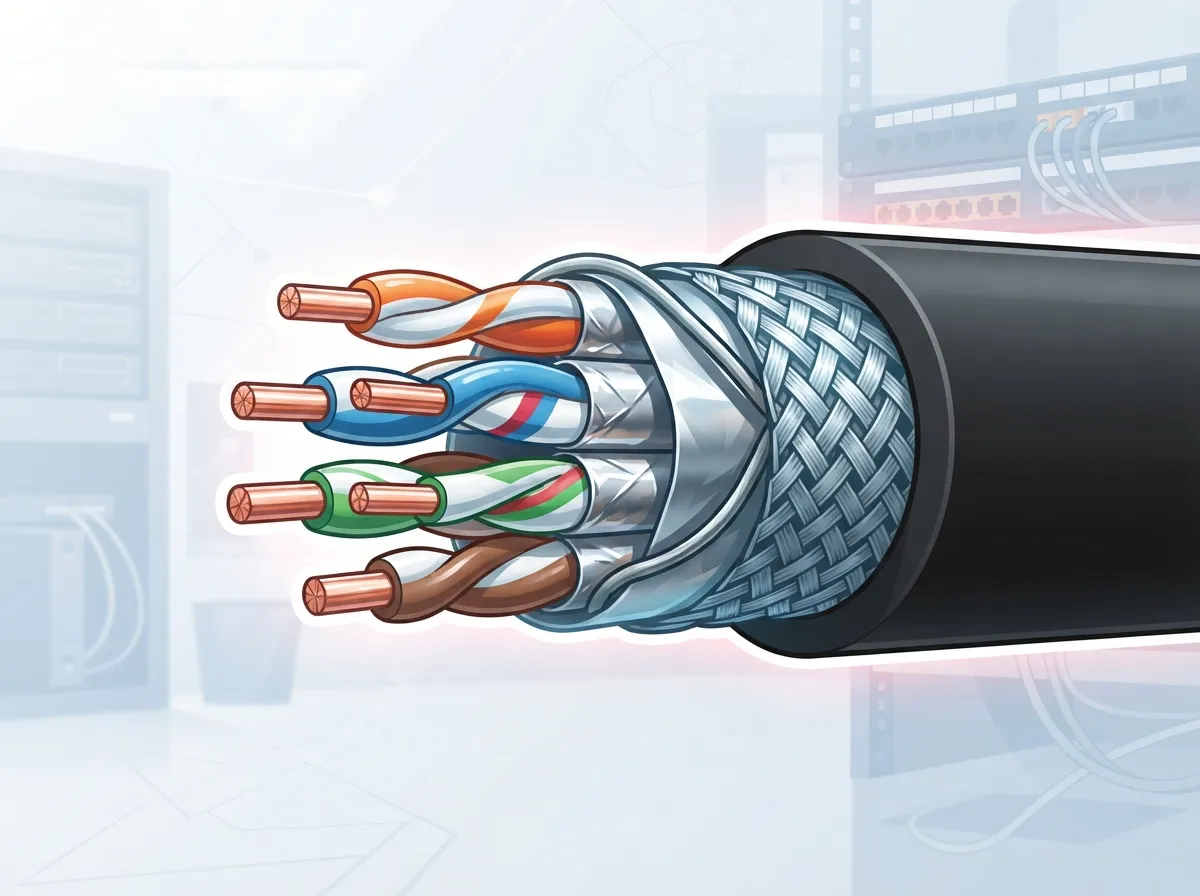
Shielded twisted pair (STP) cabling is a type of copper network cable. It’s the backbone that connects your computers, phones, and cameras to your network. What makes it special is a layer of protection wrapped around the wires.
Inside every network cable, pairs of copper wires get twisted together. This twisting alone helps cut down on electrical noise and crosstalk between wires. Shielded cable takes this a step further. It adds foil, braided metal, or both around the cable or the individual wire pairs. This extra layer blocks outside electrical interference from messing with your data signal.
Think of it like noise-canceling headphones for your network cables. Regular unshielded cable works fine in quiet environments. But in noisy spots, shielded cable keeps your signal clean and clear.
The Different Types of Shielded Cable Explained
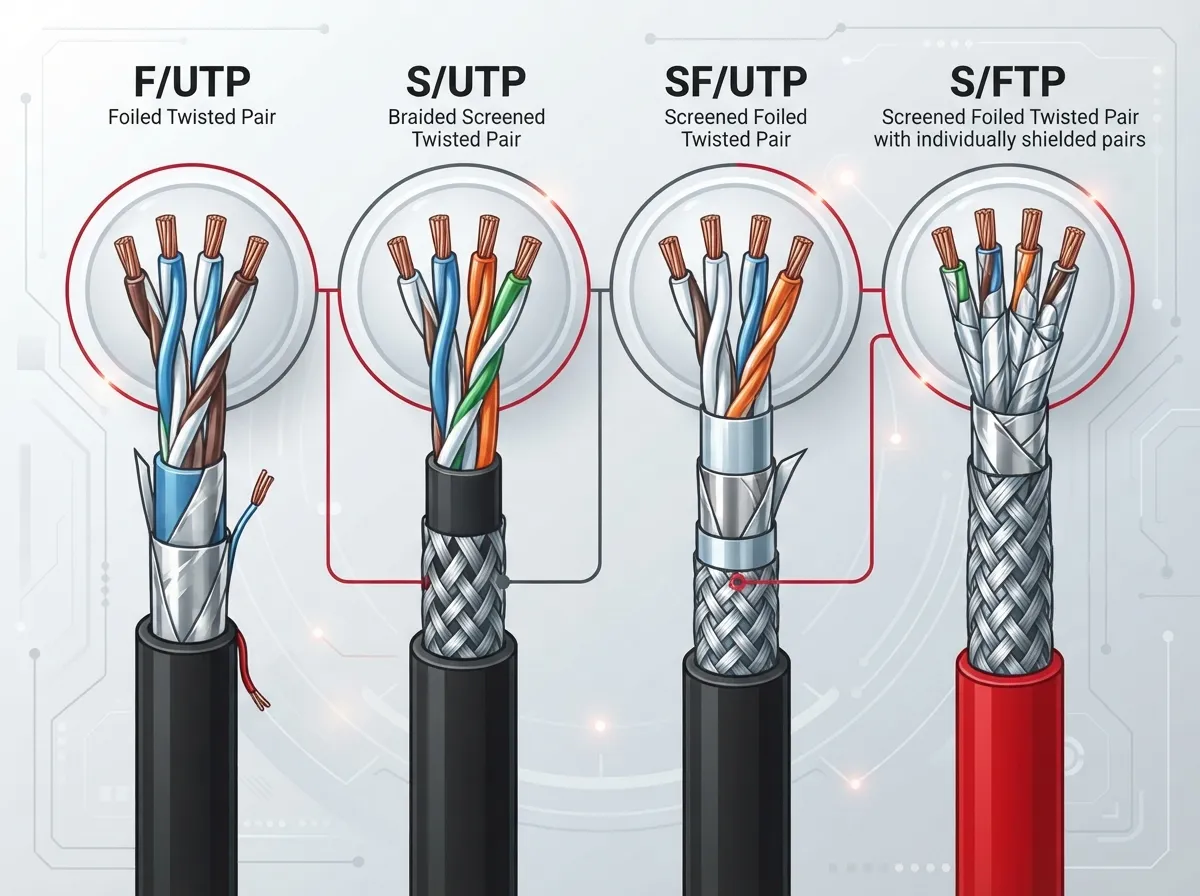
Here’s something that trips up a lot of business owners: not all shielded cable is built the same way. The term “STP” gets used loosely, but the actual construction matters a lot. Here’s a simple breakdown:
- F/UTP: Has one foil layer around the whole cable, but the individual pairs inside are not shielded.
- U/FTP: Each pair inside has its own foil wrap, but there’s no overall shield around the whole cable.
- S/FTP: The gold standard. Each pair has foil, plus there’s a braided shield around everything. This gives the best protection against interference.
When you’re shopping for cable or working with an installer, always ask for the specific construction type. Saying you want “shielded cable” isn’t detailed enough. Getting this right from the start saves headaches later.
When Your Business Actually Needs Shielded Cabling
Here’s the truth: not every office needs shielded twisted pair cabling. In fact, many normal office spaces do just fine with standard unshielded cable. So how do you know if you need the upgrade?
Shielded cabling shines in places with heavy electrical interference. Consider these common trouble spots:
- Warehouses or manufacturing floors with motors and heavy machinery running nearby
- Facilities using variable-frequency drives or industrial equipment
- Buildings with old fluorescent lighting systems
- Data closets where cable bundles are packed tightly together
- Healthcare facilities with lots of electronic medical equipment
- Any space near elevators, generators, or high-voltage electrical panels
If your business fits any of these descriptions, shielded cabling is worth serious consideration. If you’re running a quiet professional office with standard lighting and no heavy machinery, unshielded cable might be all you need. This is exactly the kind of decision our team helps with during a network cabling installation plan in Tampa Bay.
Shielded Cable and 10-Gigabit Speeds
Speed matters more than ever. Businesses are streaming video, backing up huge files to the cloud, and running multiple VoIP lines at once. If you’re aiming for 10-gigabit Ethernet speeds, cabling category matters just as much as shielding.
Category 6A shielded systems are built to handle 10GBASE-T over cable runs up to 100 meters. That’s a huge win for larger offices or warehouses where cable runs stretch far. Category 6A supports bandwidth up to 500 MHz, giving your network plenty of headroom for growth.
Compare that to standard Category 6 cable, which is rated for 250 MHz. Category 6 can still handle 10-gigabit speeds, but often only over shorter distances, sometimes limited to around 55 meters depending on installation conditions. If your building is large or you have long cable runs, Category 6A shielded cable gives you more reliable performance over distance.
Here’s a quick comparison to help you see the differences side by side:
| Feature | Category 6 (Unshielded) | Category 6A (Shielded) |
|---|---|---|
| Bandwidth | Up to 250 MHz | Up to 500 MHz |
| 10GBASE-T Distance | Often limited to ~55 meters | Up to 100 meters |
| EMI Resistance | Lower | Higher |
| Best For | Standard offices | Noisy or high-density environments |
| Installation Complexity | Simpler | Requires bonding and grounding |
Keep in mind that shielding alone doesn’t guarantee a speed rating. The full channel, meaning the cable, jacks, patch panels, and patch cords, all need to meet the same category standard. It’s a team effort, not a single-part solution.
Why Grounding and Bonding Cannot Be Skipped
This is the part where a lot of DIY cabling projects go wrong. Shielded cable only works properly when it’s grounded and bonded correctly. Skipping this step, or doing it poorly, can actually make your network performance worse, not better.
Here’s why. The shield needs a path to safely carry away unwanted electrical noise. If that path isn’t set up right, the shield can act like an antenna instead of a barrier. That means it picks up interference rather than blocking it. Not good.
A proper bonding and grounding setup follows established industry standards. Every shielded jack, patch panel, and patch cord in the system needs to be compatible and properly connected. This is not a spot where cutting corners pays off. It’s also important to remember that a cable shield is never a substitute for proper electrical grounding at your facility. Those are two separate systems with different jobs.
This is one of the biggest reasons businesses turn to professionals instead of tackling structured cabling services on their own. Getting bonding wrong can create both performance problems and safety risks.
Installation Considerations You Should Know About
Shielded cable behaves a bit differently than standard cable during installation. It’s often stiffer, thicker, and less flexible. This means installers need to pay close attention to a few key details:
- Bend radius limits, since bending shielded cable too sharply can damage the shield
- Pulling tension during installation to avoid stretching or breaking internal wires
- Proper separation from power lines and other interference sources
- Correct termination methods that keep the shield fully intact
- Field testing after installation to confirm the link meets performance standards
Because of these extra steps, shielded cabling installation often takes more time and skill than standard unshielded jobs. This is one reason costs run a bit higher. But when it’s done right, you get a network that performs reliably for years. If you want to understand more about weighing costs against benefits, our article on DIY versus professional cabling breaks it down clearly.
Can Shielded Cable Handle Power over Ethernet?
Yes, shielded twisted pair cable can carry Power over Ethernet, including higher-power PoE++ standards. Many businesses use PoE to power devices like VoIP phones, wireless access points, and security cameras without needing separate power outlets.
That said, shielding by itself doesn’t boost how much power a cable can safely carry. Several other factors matter just as much:
- The size of the copper conductors inside the cable
- How many cables are bundled together, since heat builds up in tight bundles
- Whether your connectors and hardware are rated for the PoE power level you need
- Compliance with current PoE and cabling standards
If you’re planning to power a lot of devices over your network, like a full building of security cameras or access control readers, talk with your cabling installer about PoE load early in the planning process. Getting this right avoids overheating and performance drops down the road.
How to Choose the Right Cabling Partner
Picking shielded twisted pair cabling is only half the job. The other half is finding someone who installs it correctly. Here’s what to look for in a cabling partner:
- Experience with both shielded and unshielded systems, so they can recommend what truly fits your space
- Knowledge of grounding and bonding standards, not just cable pulling
- The ability to certify completed links with proper field testing
- A track record working with businesses similar in size and industry to yours
- Willingness to explain trade-offs honestly, rather than upselling unnecessary upgrades
At Ideal Solutions Provider, we’ve partnered with 35+ vetted suppliers over the years. This means we’re not locked into pushing one brand or one cable type. We look at your building, your equipment, and your goals, then recommend what actually makes sense. Whether that’s shielded Category 6A for a noisy warehouse or standard CAT6 cabling for a quiet office, we’re here to guide you.
We also handle the full picture of business communications, from cloud-based phone systems to high-speed internet services. That means one point of contact for your whole network setup, not five different vendors pointing fingers when something goes wrong.
Signs Your Current Cabling Might Be Holding You Back
Not sure if cabling is even your problem? Here are some warning signs worth watching for:
- Frequent dropped VoIP calls or choppy audio quality
- Slow file transfers despite paying for fast internet
- Network issues that seem to worsen near certain equipment or machinery
- Security cameras that lag or disconnect randomly
- IT staff constantly troubleshooting the same connectivity issues
If any of these sound familiar, it might be time for a proper network assessment. Sometimes the fix isn’t your internet provider or your router. It’s the cabling running through your walls that nobody has looked at in years. You can learn more warning signs in our guide on signs your business needs structured cabling.
For more general background on how twisted pair cabling works, resources like Wikipedia’s twisted pair overview offer helpful technical context. And if you want to understand how structured cabling fits into the bigger picture of business networks, this structured cabling reference is a solid starting point.
Wrapping Up Your Cabling Decision
Shielded twisted pair cabling isn’t the right fit for every business. But for companies dealing with electrical interference, dense equipment, or plans for high-speed 10-gigabit networks, it can make a real difference. The key is understanding your specific environment, choosing the right cable construction, and working with installers who know how to ground and bond the system properly.
We get it, cabling decisions feel overwhelming when you’re also juggling daily operations. That’s exactly why businesses across Tampa Bay and beyond lean on our team for guidance. We’ve walked alongside small businesses, growing enterprises, and multi-location franchises, helping each one build a network that actually works for their space.
Ready to find out if shielded cabling makes sense for your building? Reach out to our team today for a straightforward consultation, or give us a call to talk through your specific setup. We’re also active on Facebook, Instagram, and YouTube if you want to see real examples of our installation work in action.
FAQs
Q: What is shielded twisted pair cabling, and how does it work?
A: Shielded twisted pair cabling is copper network cable wrapped in foil or braided metal to block outside electrical noise. The twisted wire pairs inside already reduce interference, and the shield adds an extra layer of protection. It’s a great fit for businesses dealing with noisy electrical environments like warehouses or facilities with heavy machinery.
Q: What is the difference between STP, UTP, F/UTP, U/FTP, and S/FTP cable?
A: UTP means unshielded twisted pair, with no metal shielding at all. STP is a general term for shielded cable, but the construction varies. F/UTP has one foil layer around the whole cable, U/FTP shields each individual pair, and S/FTP combines both for maximum protection. Always ask for the specific type when planning your installation.
Q: Does shielded Cat 6A support 10-gigabit Ethernet over 100 meters?
A: Yes, Category 6A shielded systems are designed to support 10GBASE-T over cable runs up to 100 meters, as long as the entire channel meets proper standards. This includes the cable, connectors, and patch panels all working together. It’s a solid choice for larger buildings needing dependable high-speed connections.
Q: Does shielded Ethernet cable need to be grounded or bonded at both ends?
A: Yes, proper grounding and bonding are essential for shielded cable to work correctly. Without it, the shield can actually pick up interference instead of blocking it, which hurts performance. This is a detailed process best handled by experienced cabling professionals who follow current industry standards.
Q: Can shielded twisted pair cable be used for PoE and PoE++?
A: Absolutely, shielded cable can carry Power over Ethernet, including higher-power PoE++ for things like security cameras and access control systems. But shielding alone doesn’t increase how much power the cable can handle. Conductor size, bundle heat, and connector ratings all play a role too.