

Key Takeaways
-
Verify BICSI certifications (RCDD credentials) for your contractor's design and installation team, as this is the industry standard that separates qualified professionals from self-taught installers.
-
Require full cable testing and certification with written results for every single run, not just samples, to confirm actual performance meets standards and specifications.
-
Request detailed closeout documentation including as-built drawings, labeling records, and test reports, which become essential for future troubleshooting, expansion, and avoiding costly rework.
-
Ask for references from businesses similar to yours in size and industry, and specifically inquire about on-time delivery, budget adherence, communication, and problem-solving during installation.
-
Confirm your contractor follows current ANSI/TIA standards (check which edition) and can explain cable selections based on your actual bandwidth needs, distances, and growth plans over 10-15 years.
-
Verify local low-voltage licensing, current liability insurance, and get manufacturer warranty details in writing before signing, including what's covered and what registration steps are required.
Picking a cabling contractor can feel like a big decision, and honestly, it is one worth getting right. Your business network, phones, Wi-Fi, and security cameras all depend on the wires hidden behind your walls. If you search online for “top rated cabling companies,” you will notice something interesting: there is no single official ranking that everyone agrees on. That is actually good news, because it means you get to define “top rated” using facts that matter to your business.
In this friendly guide, we will walk through 11 clear signs that point to a truly qualified structured cabling contractor. Whether you run a small Tampa shop or manage IT for a growing company with multiple locations, these tips will help you compare providers with confidence. We will also share real numbers from current market research, so you know what is happening in the cabling world right now. By the end, you will feel ready to ask smart questions and pick a partner who will do the job right the first time.
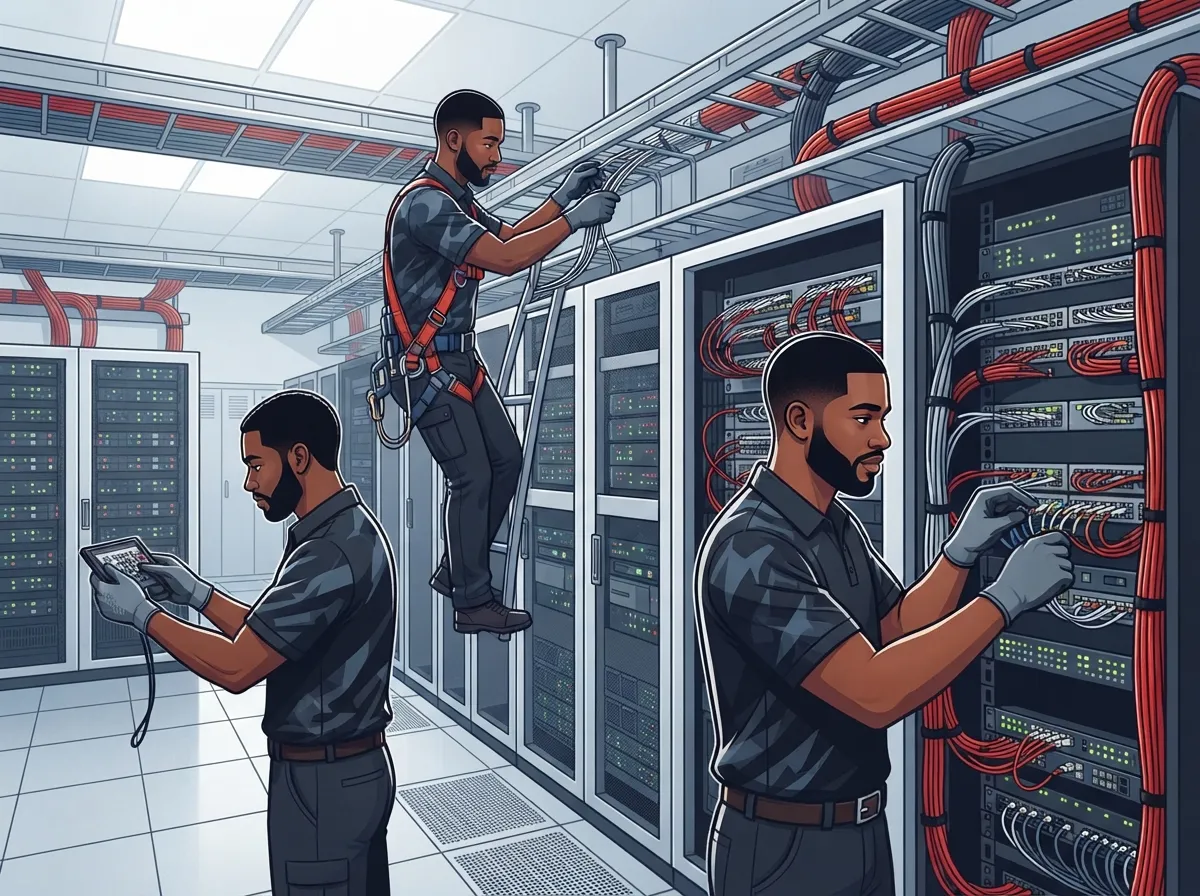
1. They Employ BICSI-Certified Designers and Installers
The Building Industry Consulting Service International, or BICSI, sets the bar for cabling professionals. Top providers employ Registered Communications Distribution Designers, known as RCDDs, along with certified installers and technicians. These credentials show that the team has real training in designing and installing structured cabling systems correctly.
BICSI itself recommends checking for these certifications before hiring a contractor. It is one of the simplest ways to separate serious professionals from folks who learned cabling on the fly. Ask upfront which team members hold these credentials and how many years they have worked on projects similar to yours.
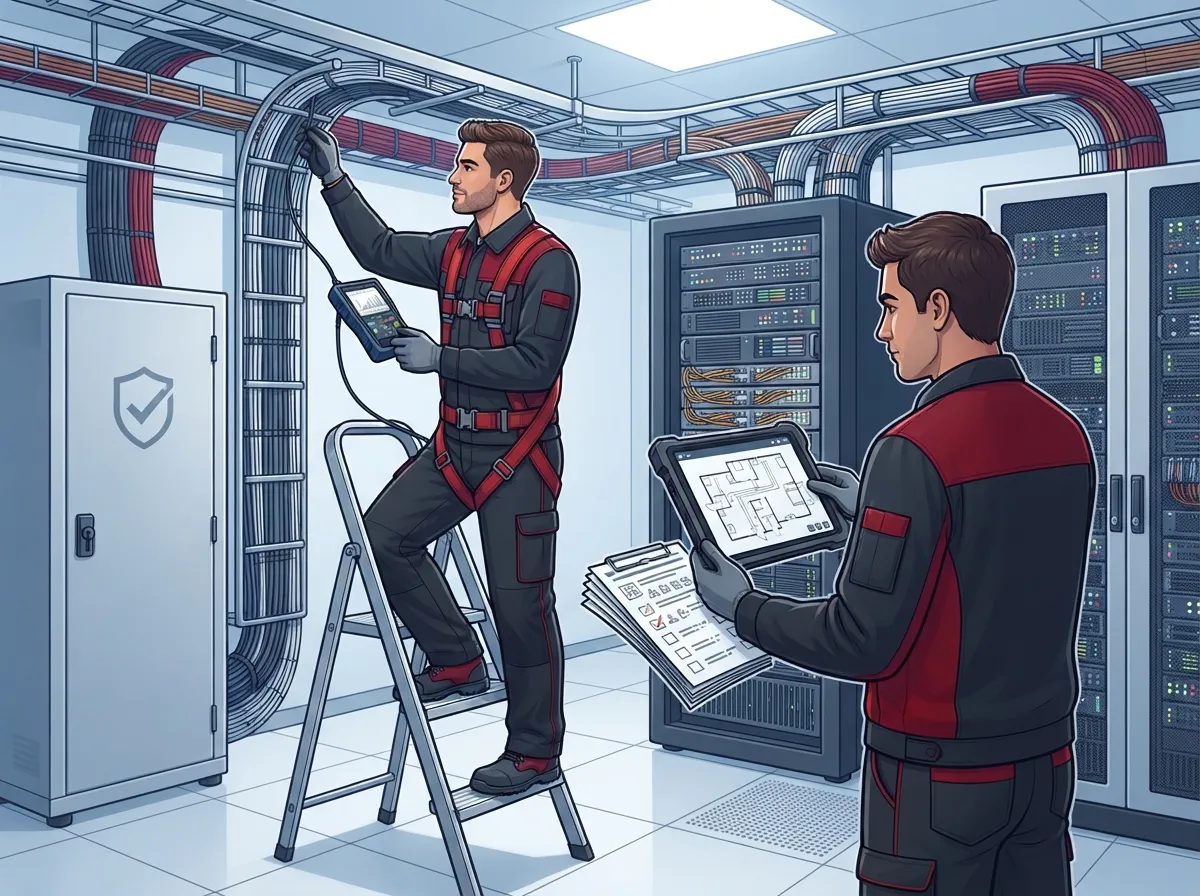
2. They Hold Proper Local Licensing and Insurance
Certifications matter, but they do not replace basic business requirements. A trustworthy cabling company should carry the correct low-voltage or electrical licensing required in your area. They should also carry liability insurance to protect your property during installation.
Do not be shy about asking for proof of both. A company confident in its work will hand over these documents without hesitation. If a contractor gets defensive or vague about licensing, that is a red flag worth noting.
3. They Can Show References From Similar Projects
Numbers on a website are nice, but real client stories tell you more. Ask any potential contractor for references from businesses similar in size and industry to yours. A restaurant chain has different cabling needs than a medical office or a warehouse.
Here is a quick list of questions worth asking references:
- Did the project finish on time and within budget?
- Was the team communicative during installation?
- Did they run into unexpected problems, and how were those handled?
- Would you hire this contractor again for a new location?
These answers often reveal more than any online review ever could.
4. They Follow Current ANSI/TIA Standards
Structured cabling is not a guessing game. It follows detailed industry standards from ANSI and TIA that cover cable performance, building layouts, pathways, labeling, and grounding. A quality contractor designs and installs cabling that matches the current version of these standards.
One example worth knowing: TIA’s standards update from March 2023 recommends installing at least two Category 6A or higher cable runs to every wireless access point when using twisted-pair cabling. If a contractor does not mention standards like this during your consultation, ask directly which editions they follow and why.
5. They Test and Certify Every Cable Run
Installing cable is only half the job. A top-tier provider tests every run using proper cable-certification equipment, then gives you the results in writing. This step confirms the cabling actually performs the way it should, not just that it looks neat behind the wall.
Before signing any contract, ask these three things:
- Will every single cable run be tested, or just a sample?
- What certification equipment will be used for testing?
- Will you receive a printed or digital report showing pass/fail results for each run?
If a contractor cannot answer clearly, keep looking.
6. They Provide Full Closeout Documentation
When the installation wraps up, you should walk away with more than a handshake. Strong contractors provide as-built drawings, labeling records, and test result reports. This documentation becomes priceless later when you need to troubleshoot, expand, or move offices.
Think of it like getting the blueprint to your own house. Without it, every future contractor has to start from scratch trying to figure out what is behind your walls. For businesses planning growth, this documentation is a smart step for planning future network cabling installation without unnecessary rework.
7. They Understand Copper Versus Fiber Applications
Not every job calls for the same cable type. Copper cabling is commonly used to connect endpoints like desks, phones, and access points. Fiber, on the other hand, often handles building backbones or longer, high-capacity connections.
According to Mordor Intelligence, copper systems made up roughly 58.13% of the North American structured cabling market in 2025. Meanwhile, fiber solutions are expected to grow at a 9.37% compound annual rate through 2031. A knowledgeable contractor will explain which option fits your specific bandwidth, distance, and growth needs, similar to how we break it down in our guide on choosing fiber cabling for your business network.
Copper vs. Fiber: Quick Comparison
| Feature | Copper Cabling | Fiber Cabling |
|---|---|---|
| Common Use | Desks, phones, access points | Backbones, long-distance links |
| Distance | Shorter runs | Longer runs |
| Speed Potential | Good for standard use | Higher capacity |
| Market Share (2025) | 58.13% | Growing at 9.37% CAGR |
8. They Explain Manufacturer Warranty Requirements Clearly
Some cabling manufacturers offer extended system warranties, but only if a certified installer follows their exact requirements. A top contractor will explain whether your project qualifies for one of these warranties and what it actually covers.
Ask specific questions like these:
- Does the warranty cover materials, labor, or both?
- How long does the warranty last?
- What registration steps are needed to activate it?
Never assume a warranty automatically applies. Get the details in writing before the project starts.
9. They Provide a Clearly Scoped, Detailed Proposal
A vague quote is a warning sign. Reliable contractors provide a proposal that spells out cable types, quantities, labeling standards, testing procedures, and timeline. This transparency protects both sides and avoids surprise costs later.
If you are unsure what a solid proposal should include, our article on finding a reliable structured cabling contractor breaks down exactly what to expect from a professional bid.
10. They Design for Your Actual Business Needs, Not Just Today
The best cabling companies think beyond the current install. They consider your growth plans, number of employees, PoE-powered devices, and future Wi-Fi access points. Structured cabling has a long lifespan, often ten to fifteen years, so a shortsighted design can cost you later.
The market itself reflects steady, long-term growth. Mordor Intelligence estimates the North America structured cabling market at USD 7.94 billion in 2025, growing to USD 8.76 billion in 2026, and reaching USD 13.42 billion by 2031. Fortune Business Insights offers a separate global estimate, projecting the market to grow from USD 15.13 billion in 2025 to USD 33.41 billion by 2034. These numbers vary by source, but they all point to the same trend: businesses are investing more in solid infrastructure, not less.
11. They Act as a True Partner, Not Just a Vendor
Finally, the best cabling companies treat your project like a partnership. They ask questions about your business goals. They explain their reasoning instead of just handing you a bill. And they stick around for follow-up support if something needs adjusting.
At Ideal Solutions Provider, we have spent over 24 years connecting businesses with vetted cabling and telecom partners across our network of 35+ suppliers. We act as your single point of contact, handling everything from the first consultation to final testing and documentation. If you want a team that treats your network like it matters, because it does, reach out to our team for a straightforward conversation about your cabling project.
Why Structured Cabling Choices Affect Your Whole Network
Cabling is not just wires in a wall. It supports your cloud phone system, your high-speed internet connection, your Wi-Fi access points, and even your security cameras. Weak or outdated cabling can quietly slow down every piece of technology connected to it.
This is why smart office managers and IT professionals treat cabling decisions seriously. A poor install today often means expensive rework tomorrow. Taking time now to vet contractors properly saves money and headaches down the road.
Quick Checklist Before You Sign a Contract
- Confirm BICSI or manufacturer certifications for the installation team
- Verify local licensing and current insurance coverage
- Request references from similar-sized businesses
- Ask which ANSI/TIA standards will guide the design
- Require full testing and certification for every cable run
- Get a written list of closeout documents you will receive
- Clarify warranty terms in writing before work begins
Following this checklist takes maybe twenty minutes of extra effort. That small investment of time can prevent months of frustration if something goes wrong later.
Bringing It All Together
Finding top rated cabling companies is not about trusting a flashy website or a five-star badge. It is about verifying credentials, checking references, confirming standards compliance, and getting clear documentation. When a contractor checks all eleven of these boxes, you can feel confident your network will run smoothly for years to come.
Whether you are opening a new Tampa office, upgrading an aging network, or rolling out cabling across multiple franchise locations, the right partner makes all the difference. You can also follow our team’s updates and project photos on Facebook, watch installation walkthroughs on YouTube, or see behind-the-scenes moments on Instagram.
Ready to get your cabling project done right the first time? Contact us today, or simply call us to talk through your business needs with a friendly member of our team.
FAQs
Q: How do I find a reliable commercial structured cabling contractor near me?
A: Start by checking for BICSI certifications, local licensing, and insurance, then ask for references from similar businesses. A quick phone consultation can also tell you a lot about how a company communicates and handles questions.
Q: What certifications should a business cabling company have?
A: Look for BICSI credentials like RCDD, along with manufacturer-certified installers. These show the team has real training, though you should also confirm local licensing and project experience separately.
Q: Should my business use Cat6, Cat6A, or fiber cabling?
A: It depends on your bandwidth needs, distance requirements, and future growth plans. Many businesses use copper for desks and access points while relying on fiber for backbones or longer connections.
Q: How can I verify that installed network cabling meets performance requirements?
A: Ask your contractor to test and certify every cable run using proper certification equipment, then provide you with written test results. This confirms the cabling performs as promised, not just that it looks tidy.
Q: Does a manufacturer-certified installer provide a longer cabling warranty?
A: Sometimes, yes, but it depends entirely on that manufacturer’s specific requirements. Always ask your contractor to explain warranty coverage, duration, and registration steps in writing before the project begins.