
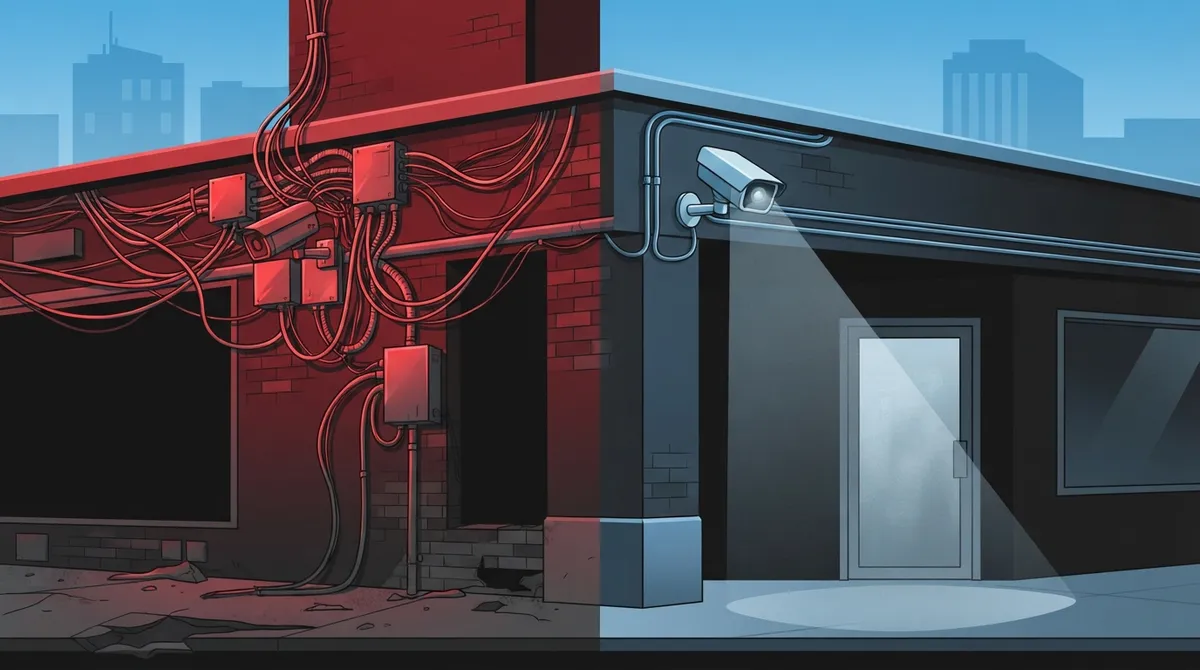
Key Takeaways
-
Contact your local building or electrical department first—permit requirements vary by city/county, and there's no single national rule, so their answer is the only one that matters for your specific location.
-
New electrical work like 120/240-volt circuits, conduit runs, roof penetrations, or trenching almost always requires a permit, while simple wireless or PoE camera systems using existing infrastructure often don't.
-
Audio recording is heavily regulated—most states allow one-party consent, but Florida, California, Illinois, and Pennsylvania require all-party consent, so consider disabling camera microphones by default.
-
Even permit-free installations must follow privacy rules: never point cameras at restrooms, changing rooms, or locker rooms, and avoid capturing unnecessary footage of neighboring property or public sidewalks.
-
Skipping a required permit can result in fines, forced equipment removal, project delays, or insurance claim denials if unpermitted wiring causes damage—a quick upfront call saves significant trouble.
-
Post visible surveillance signage and create a written employee policy documenting camera locations, audio status, footage storage duration, access permissions, and usage—this protects your business legally.
So you’re finally ready to add security cameras to your business. That’s great news! But before you call an installer, you probably have one big question buzzing around: do you need a permit for that? We get this question a lot from Tampa business owners, and honestly, the answer is a little bit of a “it depends.” Don’t worry, though. We’re going to walk through it together, in plain and friendly language, so you feel confident before you spend a single dollar.
Whether you run a small shop, manage an office for a growing company, or oversee IT for a multi-location franchise, this guide breaks down what actually triggers a permit and what usually doesn’t. We’ll also touch on privacy rules, signage, and audio consent, because permits are only part of the picture. As a company that has spent over 24 years helping cloud video security systems Tampa FL businesses love, Ideal Solutions Provider knows how confusing this can feel. Let’s make it simple.

1. There’s No Single National Rule for Camera Permits
Here’s the first thing to know, and it might be a relief: there is no one nationwide law that says “all businesses need a permit for security cameras.” Instead, permit rules come from your local authority having jurisdiction, or AHJ. That’s usually your city or county building department.
This means a camera setup that’s perfectly fine in one city might need extra paperwork just a few miles away. Local rules can vary based on your specific location and the type of project you’re doing. The safest first step is always a quick call to your local building or electrical department before any work begins.
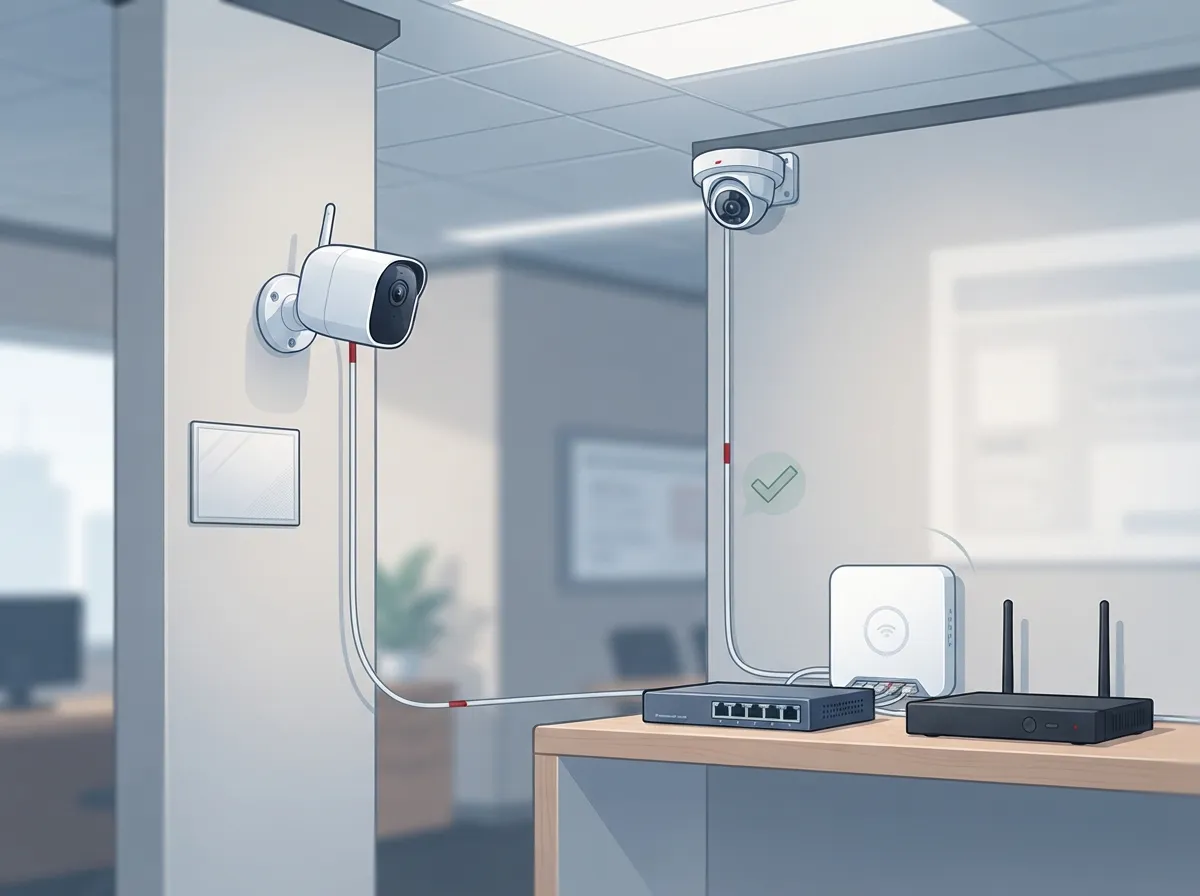
2. Basic Wireless and PoE Systems Are Often Permit-Free
Good news for small business owners: a simple wireless, battery-powered, or Power over Ethernet (PoE) camera system that uses your existing infrastructure often does not need a standalone security-camera permit. Many PoE cameras run on low-voltage Class 2 or Class 3 power delivered right through the network cable itself, usually under 50 volts.
That said, “often” isn’t the same as “always.” Your local rules might still require a low-voltage, electrical, building, or even fire-alarm permit, depending on how the cameras connect into your building’s systems. This is exactly why structured cabling supports both VoIP and cameras so smoothly when it’s planned correctly from the start.
3. New Electrical Work Usually Means a Permit
If your camera project involves any of the following, chances are good you’ll need a permit:
- New 120- or 240-volt electrical circuits
- Changes to your electrical panel
- New conduit runs
- Roof or exterior wall penetrations
- Trenching for underground cable
- Installing new poles for parking lot cameras
These projects touch the building’s core electrical or structural systems, which is exactly the kind of work local governments want to inspect for safety. It’s not about making your life harder. It’s about making sure the wiring won’t cause a fire hazard down the road.
4. Historic Buildings and Right-of-Way Projects Add Extra Steps
Own a business in a historic district? You might face additional review before mounting cameras on the exterior of your building. Historic preservation boards often have rules about visible equipment, even something as small as a camera bracket.
The same goes for cameras that require running cable through a public right-of-way, like across a sidewalk or under a street. These situations almost always require permits and sometimes a separate right-of-way permit from your city’s public works department. If your business sits in one of these zones, budget extra time for approvals.
5. Who Actually Decides If You Need a Permit?
Your local building or electrical department has the final say. They are the authority having jurisdiction, and their answer is the one that matters, not a generic answer from a blog post (including this one!). Here’s a simple process we recommend:
- Call your city or county building department and describe your planned camera installation.
- Ask specifically about low-voltage, electrical, and building permit requirements.
- Confirm whether any planned exterior or roof work needs separate approval.
- Get the answer in writing or note the name of who you spoke with.
- Share this information with your telecom or low-voltage contractor.
A qualified contractor should also check licensing, inspection needs, firestopping rules, cable-support requirements, and grounding standards on your behalf.
6. Permits Are Only Half the Compliance Story
Even if your camera installation is completely permit-free, you still have other rules to follow. Camera placement matters a lot. Cameras should never point into spaces where people expect privacy, like restrooms, changing rooms, or locker rooms.
You’ll also want to avoid capturing footage of neighboring private property or public sidewalks more than necessary. This isn’t just good manners. It can prevent real legal headaches down the line. For a deeper look at what cameras can actually do for your operations, check out what security cameras really do for your business.
Table: Common Camera Scenarios and Permit Likelihood
| Installation Type | Permit Likely? | Why |
|---|---|---|
| Wireless battery camera, no wiring | Usually not | No electrical or structural work involved |
| PoE camera using existing network cable | Sometimes | Low-voltage, but may need cabling permit |
| New conduit run to exterior camera | Likely yes | Structural and electrical work |
| New pole-mounted parking lot camera | Likely yes | Foundation, trenching, and wiring |
| Camera tied into fire alarm system | Yes | Fire code inspection required |
| Installation in historic district | Yes | Preservation board review |
7. Audio Recording Has Its Own Set of Rules
Video-only surveillance is treated very differently from cameras that also record sound. Federal wiretap law, found in 18 U.S.C. § 2511, governs the interception of oral and electronic communications. This is why camera microphones can create extra legal questions that silent video doesn’t.
Most states use a one-party-consent standard, meaning only one person in the conversation needs to agree to being recorded. But a smaller group of states, including Florida, California, Illinois, Pennsylvania, and several others, are commonly treated as requiring all-party consent in at least some situations. If your business operates across state lines, or even just in Florida, it’s smart to get legal advice and consider turning off camera audio by default.
8. Signage and Employee Notice Are Good Practice
There’s generally no federal law requiring signs for silent video surveillance at private commercial properties. Still, posting a clear sign at your entrance is a smart move. It builds trust with customers and can discourage bad behavior before it happens.
For your team, a written surveillance policy is worth the effort. It should explain:
- Where cameras are located
- Whether audio is enabled
- How long footage is stored
- Who has access to recordings
- How the footage may be used
This kind of documentation protects your business and gives employees peace of mind. It also pairs well with a solid network setup. If your cameras run over your business network, you’ll want to review signs your business needs structured cabling to make sure your infrastructure can handle it.
9. What Happens If You Skip a Required Permit
Skipping a required permit isn’t just risky, it can be costly. If an inspector finds unpermitted electrical or structural work, you might face fines, forced removal of equipment, or having to redo the work entirely with proper permits and inspections. This can delay your project far longer than just asking upfront would have.
There’s also an insurance angle. If unpermitted wiring causes damage or a fire, your insurance company might deny a claim. That’s a painful lesson to learn after the fact. A quick call to your local building department at the start saves so much trouble later.
Quick Checklist Before You Install Cameras
- Contact your local building or electrical department about permit requirements.
- Decide if you need audio recording, and check your state’s consent laws.
- Plan camera placement to avoid private areas and unnecessary public footage.
- Post visible surveillance signage at entrances.
- Create a written policy for footage access and retention.
- Secure your cameras and recorders with strong passwords and updated firmware.
- Work with an experienced telecom or low-voltage contractor to document everything.
Choosing the Right Partner for Camera Installation
Permits, wiring, network capacity, and privacy rules can feel like a lot to juggle at once. That’s exactly why so many business owners choose to work with a trusted telecom partner instead of handling it alone. A good contractor doesn’t just mount cameras. They help confirm local permit requirements, plan your cabling correctly, and make sure your network can support the footage without slowing everything else down.
If you’re also updating your phones or internet at the same time, it often makes sense to bundle these projects. Many franchise operators and mid-sized companies find that combining camera installation with cloud-based phone system upgrades and network improvements saves both time and money. You get one team managing the whole project instead of juggling separate vendors and separate headaches.
Ideal Solutions Provider has spent more than two decades helping Tampa businesses and companies nationwide navigate exactly these kinds of decisions. With partnerships across 35+ vetted suppliers, the team can compare options, coordinate with your local building department’s requirements, and make sure your cloud security camera installation fits your building, your budget, and your compliance needs. You can also follow their project updates and tips on Facebook or Instagram for real examples of completed installs.
Good cabling is often the unsung hero behind a smooth camera project. If you want to understand the backbone that makes reliable video possible, this overview of structured cabling explains how organized wiring supports multiple systems at once, including cameras, phones, and network devices.
Bringing It All Together
Figuring out whether you need a permit for security cameras doesn’t have to be stressful. Start with a call to your local building department, since they’re the ones who actually make the call. From there, think about the type of installation you’re planning, whether audio recording makes sense for your business, and how you’ll handle signage and employee notice.
Remember, even permit-free installations still need thoughtful placement, solid cybersecurity, and a clear policy for footage. None of this needs to feel overwhelming when you have the right team beside you. A reliable Internet Service Provider connection paired with properly planned cabling makes your whole camera system run smoother, too.
Ready to get your camera project started the right way, with permit questions answered and installation handled by pros? Contact us for a free consultation, or call us today to talk through your specific building and business needs. You can also check out real installation stories on our YouTube channel to see what a professional setup actually looks like.
FAQs
Q: Do I need a permit to install security cameras at my business?
A: It really depends on your city or county and the type of installation. A simple wireless or PoE camera setup often skips permits, but new wiring, conduit, or exterior work usually needs one. Your best bet is a quick call to your local building department before you start.
Q: Do PoE or low-voltage security cameras require an electrical permit?
A: Not always! PoE cameras typically run on low-voltage power under 50 volts, which many jurisdictions treat differently than standard electrical work. That said, some areas still require a low-voltage permit, so it’s worth checking with your local AHJ just to be safe.
Q: Is it legal to record audio with business security cameras?
A: It depends on your state. Most states allow one-party consent, but Florida and several others require all-party consent for audio recording. Many businesses choose to disable camera microphones by default to keep things simple and compliant.
Q: Do businesses have to post signs for video surveillance?
A: There’s generally no federal law requiring signage for silent video at private businesses, but it’s still a smart practice. Visible signs build trust with customers and can even deter theft or bad behavior before it starts.
Q: What happens if I install security cameras without a required permit?
A: You could face fines, be forced to remove the equipment, or need to redo the work with proper permits later on. It can also affect insurance claims if unpermitted wiring causes damage. A quick permit check upfront really does save headaches down the road.