
Key Takeaways
-
Professional commercial cabling contractors in Tampa ensure code compliance, design scalability, and avoid costly rework—poor cabling leads to dropped calls, slow internet, and expensive troubleshooting later.
-
CAT6 cabling is the recommended sweet spot for most Tampa businesses, offering affordable future-proofing with support for VoIP, video surveillance, and high-speed internet up to 10 Gbps.
-
Structured cabling directly impacts VoIP phone systems, cloud security cameras, Wi-Fi access points, and internet performance—a single professional contractor handling all telecom services eliminates coordination problems.
-
Licensed Tampa contractors handle end-to-end installation including site surveys, design, permitting, testing, certification, and documentation—avoiding unlicensed installers saves money by preventing failed inspections and warranty voids.
-
Commercial cabling costs range from $1,500–$4,000 for small offices to $15,000–$50,000+ for large spaces, with fiber optic backbones adding $2,000–$20,000—proper quotes require site assessment rather than estimates.
-
Tampa businesses should plan for at least 20% capacity beyond current needs to avoid expensive future rewiring when adding staff, locations, or technology systems within the next three years.
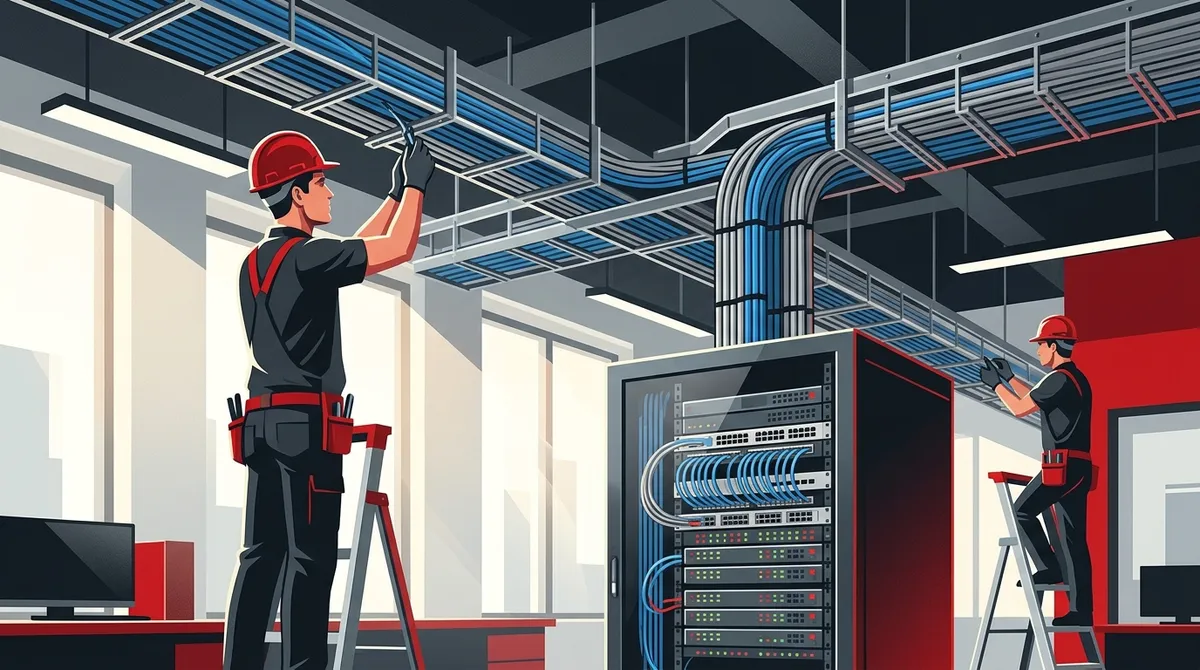
If you’ve ever walked into an office and noticed a tangle of cables running everywhere — or worse, experienced dropped calls and slow internet because of a poorly planned network — you already know how important proper cabling is. A professional commercial network cabling contractor in Tampa Florida is the difference between a business that runs smoothly and one that battles connectivity headaches every single day. Whether you’re setting up a brand-new office, expanding your existing space, or upgrading your telecom infrastructure, the right cabling partner can save you time, money, and a whole lot of frustration.
In 2026, businesses in Tampa Bay are growing fast. Remote work, VoIP phone systems, cloud applications, and high-speed internet all depend on one thing: a solid physical network foundation. That foundation starts with quality structured cabling. Let’s explore why hiring a licensed commercial cabling contractor in Tampa is one of the smartest investments your business can make.
What Does a Commercial Network Cabling Contractor Actually Do?
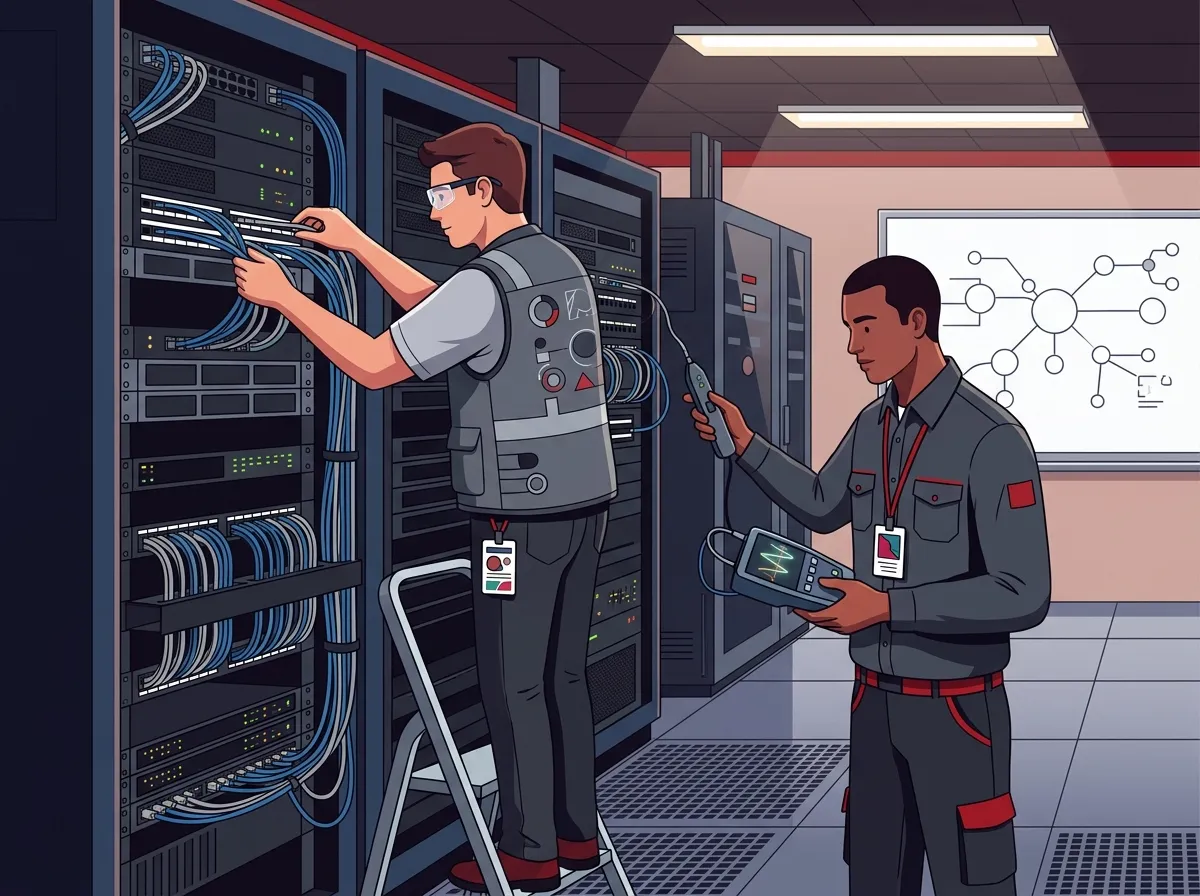
A commercial network cabling contractor designs, installs, tests, and maintains the low-voltage wiring infrastructure that your business depends on. Think of it as the nervous system of your office. Every phone call, video conference, and internet session travels through that cabling. Get it wrong, and everything else suffers.
Here’s what a qualified contractor typically handles for Tampa businesses:
- Designing a structured cabling layout that fits your office or facility
- Installing professional structured cabling including CAT5e, CAT6, and fiber optic runs
- Setting up network patch panels, server room organization, and cable management
- Running cabling for VoIP phones, security cameras, access control, and Wi-Fi access points
- Testing and certifying all cable runs to ensure they meet industry standards
- Labeling and documenting the entire installation for future reference
This is not a job for a general handyman or an intern with a crimping tool. Commercial cabling requires planning, the right equipment, and code-compliant installation — especially in Florida, where building codes and inspection requirements apply to low-voltage work.

Why Tampa Businesses Need Professional Cabling in 2026
Tampa’s business landscape is thriving. Healthcare facilities, law firms, logistics companies, retail chains, and franchises are all expanding across the Bay area. Each of these businesses relies on digital communications, and that means structured cabling is more important than ever.
Consider this: your cloud phone system, your high-speed internet, your video security cameras — they all rely on a well-installed network. If the cabling is faulty, you’ll experience dropped calls, slow speeds, and spotty Wi-Fi. A professional commercial network cabling contractor in Tampa Florida ensures your infrastructure is built right the first time.
You can learn more about how structured cabling connects to your broader telecom setup by visiting the structured cabling services page to see what a complete installation looks like.
Types of Cabling Used in Commercial Installations
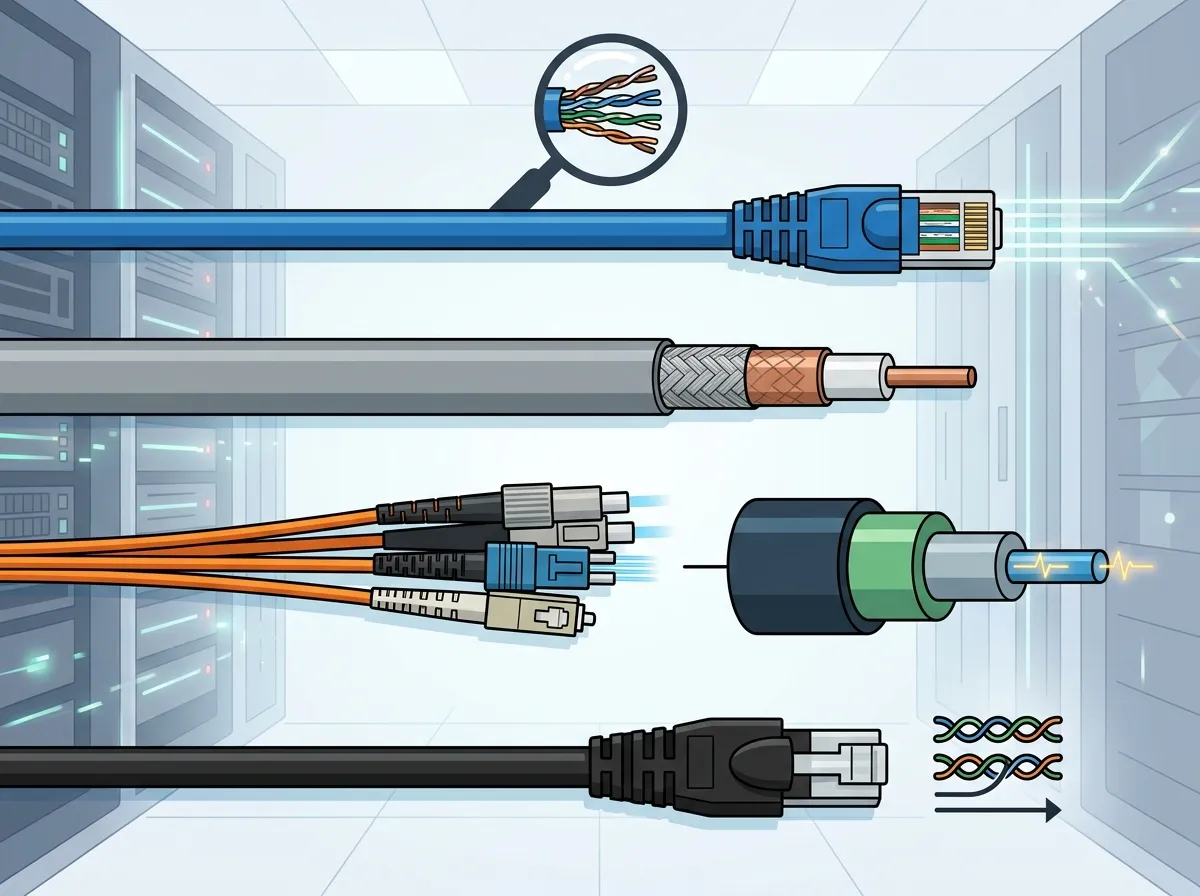
Not all cables are created equal. Choosing the right cable type depends on your speed requirements, the size of your space, and your budget. Here’s a quick comparison of the most common commercial cabling options in Tampa:
| Cable Type | Speed Support | Best For | Max Distance |
|---|---|---|---|
| CAT5e | Up to 1 Gbps | Small offices, light use | 100 meters |
| CAT6 | Up to 10 Gbps (short runs) | Most commercial environments | 55 meters at 10 Gbps |
| CAT6A | Up to 10 Gbps | High-density offices, healthcare | 100 meters |
| Fiber Optic | Up to 100 Gbps+ | Data centers, long-distance runs | Several kilometers |
For most Tampa businesses, CAT6 is the sweet spot. It’s affordable, future-friendly, and handles everything from VoIP calls to 4K video surveillance. To learn more about how structured cabling standards work, Wikipedia offers a solid technical overview.

5 Key Benefits of Hiring a Licensed Cabling Contractor in Tampa
Still on the fence? Here are five reasons why going professional is always worth it:
- Code Compliance: Florida requires proper permits and inspections for low-voltage installations. A licensed contractor knows the rules and follows them.
- Scalability: A professional cabling design allows you to add phones, cameras, or workstations without rewiring everything from scratch.
- Faster Installation: Experienced teams work efficiently. Less downtime means your business keeps running while upgrades happen.
- Better Performance: Certified cable runs mean fewer signal issues, faster speeds, and more reliable connections across your whole office.
- Long-Term Cost Savings: Poor cabling leads to expensive troubleshooting later. Get it right the first time and avoid repeat service calls.
What to Look for in a Tampa Cabling Contractor
Choosing the right contractor is just as important as deciding to hire one. Tampa has plenty of options, but not all contractors offer the same quality, experience, or breadth of services. Here’s what to look for:
- Valid Florida low-voltage contractor license
- Experience with commercial projects similar to your industry
- Ability to handle end-to-end installation — design, install, test, and document
- Familiarity with VoIP, networking, video security, and access control integration
- Strong references or case studies from local Tampa businesses
- A single point of contact so you’re not juggling multiple vendors
That last point is huge. Managing several contractors at once is stressful and often leads to finger-pointing when something goes wrong. A full-service telecom partner who handles cabling alongside your phone system, internet, and security is far easier to work with.
How Cabling Connects to Your Broader Telecom Infrastructure
Here’s something many business owners overlook: your cabling doesn’t exist in a vacuum. It connects to everything else in your telecom setup. Let’s look at how structured cabling ties into your bigger communications picture:
| Telecom Service | Cabling Dependency | Impact if Cabling Fails |
|---|---|---|
| VoIP Phone System | High — uses network cables for voice traffic | Dropped calls, poor audio quality |
| High-Speed Internet | High — backbone for all internet traffic | Slow speeds, packet loss, outages |
| Cloud Security Cameras | Medium-High — cameras need wired or wireless connections | Video gaps, blind spots, storage issues |
| Access Control Systems | Medium — door readers often require cabling | Access failures, security risks |
| Wi-Fi Access Points | High — APs need ethernet backhaul runs | Dead zones, poor Wi-Fi performance |
This is exactly why working with a company like Ideal Solutions Provider makes so much sense. They handle structured cabling, VoIP phones, internet services, cloud video security, and access control under one roof. No juggling. No confusion. Just solutions.
If you’re curious how cloud phone systems tie into your cabling plan, check out this helpful guide on choosing the best cloud-based phone system for Tampa businesses.
Common Cabling Mistakes Tampa Businesses Make
Let’s talk about what can go wrong — because knowing the pitfalls helps you avoid them. Here are the most common commercial cabling mistakes Tampa business owners make:
- Using residential-grade cable in a commercial space: It doesn’t meet commercial performance standards and often fails faster under heavy use.
- Skipping cable certification testing: Just because a cable is installed doesn’t mean it works correctly. Every run needs to be tested and certified.
- Ignoring future growth: Installing the bare minimum means expensive additions later. Always plan for at least 20% more capacity than you need today.
- Poor cable management: Messy cabling in your server room makes troubleshooting a nightmare and creates heat issues that can damage equipment.
- Hiring an unlicensed installer to save money: This almost always costs more in the long run — failed inspections, rework, and voided warranties are not cheap.
Avoiding these mistakes starts with finding a seasoned commercial network cabling contractor in Tampa Florida who has done this hundreds of times before.
Industries That Benefit Most from Professional Cabling in Tampa
While every business benefits from quality cabling, some industries have especially high stakes when it comes to network performance:
- Healthcare: Patient data, connected medical devices, and HIPAA-compliant communications all require a reliable, structured network.
- Hospitality: Hotels and restaurants need guest Wi-Fi, POS systems, and VoIP phones — all cable-dependent.
- Manufacturing and Warehousing: Large facilities need extensive runs to cover wide areas with consistent connectivity.
- Retail and Franchise Locations: Multi-site operators need consistent, scalable cabling across every location. Check out our page on business network solutions to see how we help multi-location businesses.
- Professional Services: Law firms, accounting offices, and financial companies need rock-solid security and connectivity for client-facing operations.
What a Professional Cabling Installation Process Looks Like
Wondering what the process actually involves? Here’s a step-by-step look at how a quality commercial cabling installation works:
- Site Survey: The contractor visits your Tampa location to assess the space, measure distances, and identify challenges like concrete walls or existing conduit.
- Design and Planning: A cabling layout is drawn up based on your current needs and growth plans. Outlet locations, patch panel placement, and cable routing are all mapped out.
- Permitting: If required, the contractor pulls the appropriate permits with local Tampa building authorities before work begins.
- Installation: Cables are run through walls, ceilings, and conduit. Patch panels and termination points are installed and organized properly.
- Testing and Certification: Every cable run is tested with professional equipment to verify performance and compliance with standards like TIA-568.
- Documentation: You receive a complete record of every cable run, label, and port. This is invaluable when adding equipment or troubleshooting later.
Want to see what a structured cabling installation in Tampa looks like in practice? We’ve broken down the whole process in an easy-to-follow guide.
Cabling Costs: What Tampa Businesses Should Expect
Pricing for commercial network cabling in Tampa varies based on the size of your space, the type of cable used, and the complexity of the job. Here’s a general overview to help you plan:
| Project Size | Estimated Cable Drops | Approximate Cost Range |
|---|---|---|
| Small Office (up to 10 users) | 10–25 drops | $1,500 – $4,000 |
| Mid-Size Office (10–50 users) | 25–100 drops | $4,000 – $15,000 |
| Large Commercial Space (50+ users) | 100+ drops | $15,000 – $50,000+ |
| Fiber Optic Backbone Addition | Varies | $2,000 – $20,000+ |
Keep in mind that these are rough estimates. Every Tampa building is different. Getting a proper quote from a licensed contractor is always the best approach. You can also explore our business high-speed internet services and cloud video security options that pair perfectly with a new cabling installation.
How to Get Started with a Tampa Cabling Contractor
Getting started is easier than you might think. Here’s a simple path to follow:
- Make a list of all the devices and systems you need to connect — phones, computers, cameras, access points, security panels
- Note any areas of your building that currently have poor connectivity or no cable drops at all
- Think about your growth plans — will you be adding staff, new locations, or new technology in the next three years?
- Schedule a free consultation with a commercial cabling expert who can assess your needs without pressure
For inspiration and to see real-world examples of cabling and telecom projects, follow along on Facebook, Instagram, and YouTube where we share tips, project highlights, and industry insights.
Conclusion: Build Your Business on a Solid Foundation
Your business runs on communication. Every email, every customer call, every security camera feed, and every cloud application flows through your network cabling. Hiring a qualified commercial network cabling contractor in Tampa Florida is not an expense — it’s an investment in everything that keeps your business moving forward.
From small offices to large multi-site enterprises, getting your cabling right the first time saves money, prevents headaches, and sets you up for growth. Pair your cabling with a solid cloud-based phone system, cloud access control, and high-speed internet, and you’ve got a telecom setup that truly works for your business.
Ready to get started? Reach out to our team today for a free consultation and let’s build a network your Tampa business can count on for years to come.
FAQs
Q: How do I know if I need a commercial network cabling contractor in Tampa Florida?
A: If your office has slow internet, dropped VoIP calls, Wi-Fi dead zones, or you’re planning to move or expand, it’s time to call a professional! A quick site assessment can reveal whether your existing cabling is holding your business back — and most reputable contractors offer free consultations to get you started.
Q: How long does a commercial cabling installation take in Tampa?
A: It really depends on the size of your space and the number of cable drops needed. A small office might be done in a day or two, while a larger commercial space with hundreds of drops could take a week or more. A good contractor will give you a clear timeline upfront so your team experiences minimal disruption.
Q: What is the difference between CAT6 and fiber optic cabling for my Tampa business?
A: CAT6 is a copper cable that works great for most business environments — connecting computers, phones, and security cameras within a building. Fiber optic cable is much faster, carries data over longer distances, and is ideal for connecting buildings or running a high-speed backbone for larger facilities. Your cabling contractor can recommend the best fit for your needs and budget.
Q: Can a commercial cabling contractor in Tampa also help with VoIP phones and internet?
A: Absolutely — and working with a full-service telecom partner who handles cabling alongside VoIP and internet is actually the smartest move! It ensures everything is designed to work together seamlessly, and you have one point of contact for support instead of juggling multiple vendors.
Q: Is commercial network cabling in Tampa regulated or permitted?
A: Yes! Low-voltage installations in Florida may require permits and must comply with local building codes and TIA/EIA standards. Always hire a licensed contractor who understands Tampa’s permitting process — this protects your investment and ensures your installation passes inspection without any costly surprises.