
Key Takeaways
-
Slow internet and dropped connections are often cabling problems, not service issues; old or improperly installed cables cause signal loss and interference that persist even after upgrading internet plans.
-
Structured cabling is a standards-based system supporting all business technology (phones, computers, Wi-Fi, security, servers) and must be professionally installed to meet NEC codes and avoid safety risks, insurance issues, and inspection failures.
-
Moving offices or renovations are golden opportunities to install structured cabling from scratch; walls being open makes installation easier and more affordable, while skipping this chance means dealing with outdated problems for years.
-
Growing businesses need scalable infrastructure; makeshift cable runs and consumer-grade equipment create reliability problems, while properly planned structured cabling makes adding workstations quick and clean.
-
Professional structured cabling providers should offer comprehensive services (cabling, networking, telecom, security) with code compliance knowledge, documented work with labels and diagrams, and ongoing support rather than one-time installation.
-
Disorganized cabling leads to longer troubleshooting times, accidental disconnections, and frustrated IT staff; structured cabling with proper labeling enables faster problem identification and reduces downtime windows.
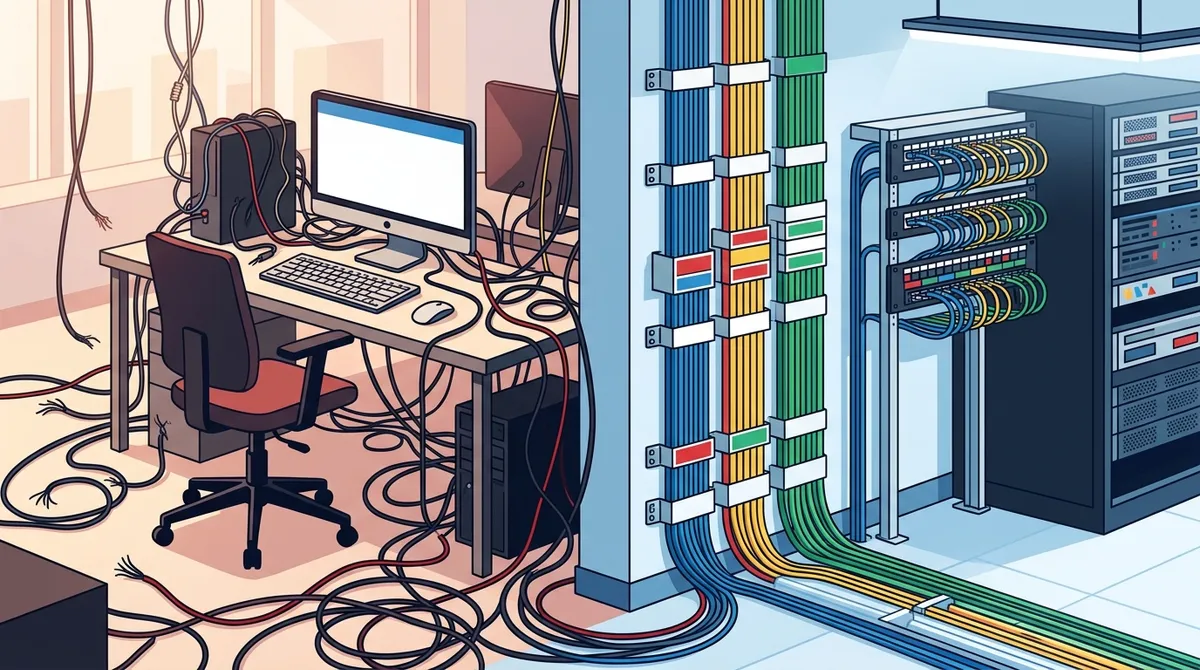
Is your office full of tangled cables running every which way? Do your employees complain about dropped connections or slow internet? You might be dealing with a network infrastructure problem that’s quietly costing your business every single day. The good news? There’s a solution that’s been helping Tampa businesses run smoother for decades — and it’s called structured cabling.
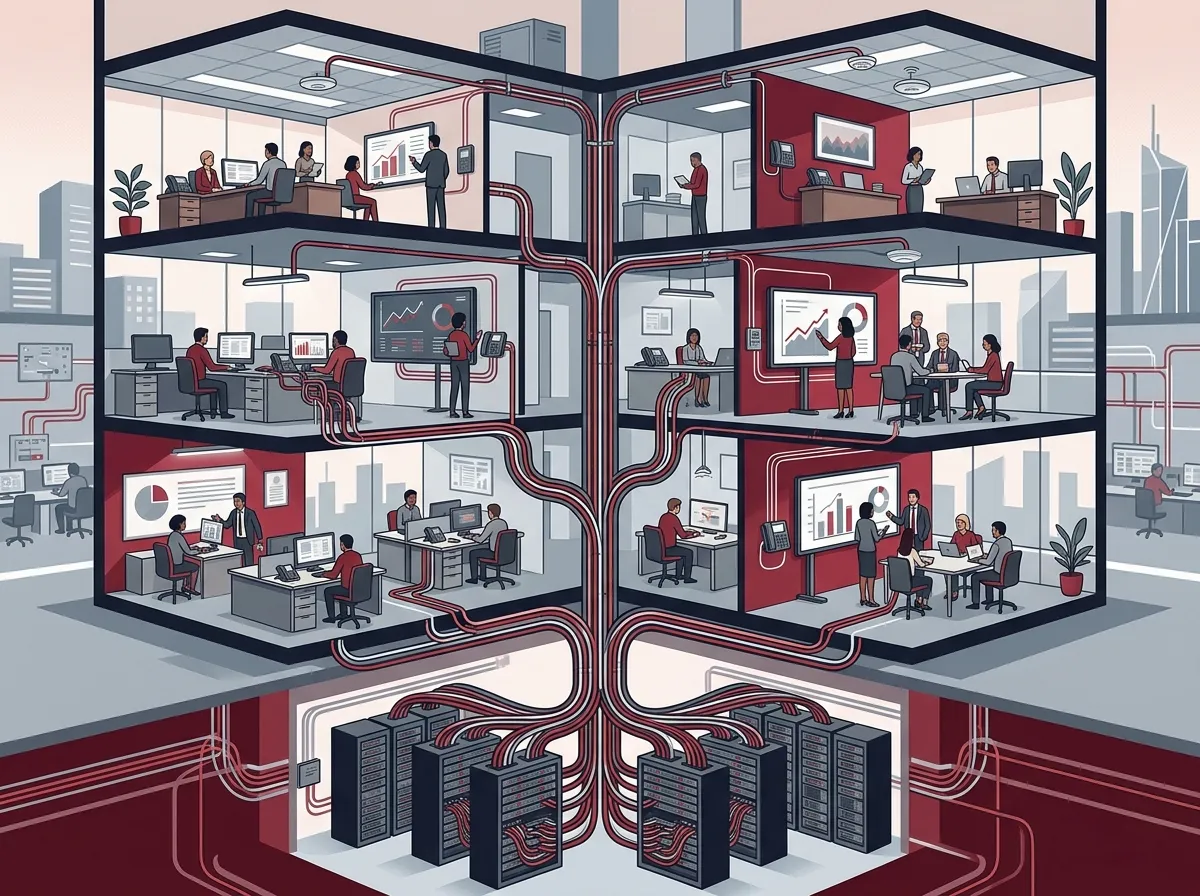
Structured cabling is simply an organized, standards-based system of cables and hardware that connects all your business technology. Think phones, computers, Wi-Fi access points, servers, and security devices — all tied together cleanly and reliably. It’s the physical backbone that makes everything in your office communicate. Whether you’re a small business owner, an IT manager, or a franchise operator with multiple locations, understanding structured cabling can save you time, money, and a lot of headaches.
In this article, we’ll walk you through nine clear signs that your Tampa business is ready for a structured cabling upgrade — and explain exactly what structured cabling is along the way.

What Is Structured Cabling, Exactly?
Before we jump into the signs, let’s make sure we’re on the same page. Structured cabling is a complete, organized wiring system designed to support all your business communications. Instead of a messy jumble of different cables thrown in as needed, structured cabling uses a planned layout with specific components that all work together.
Common components include Cat5e, Cat6, Cat6A, and fiber optic cabling. Each type has different speeds and capabilities. Cat6A, for example, supports faster data rates over longer distances — great for modern offices. Fiber optic cabling is ideal for high-bandwidth needs or connecting buildings. You can learn more about why CAT6 cabling is the smart choice for Tampa businesses to see how these differences play out in real-world settings.
The system also includes cable management hardware, racks, enclosures, and patch panels. Together, these parts create a clean, scalable infrastructure that’s much easier to manage than ad hoc wiring.
How Structured Cabling Supports Your Whole Business
Structured cabling doesn’t just carry internet traffic. It supports:
- VoIP phone systems and cloud-based communications
- High-speed internet connections across your office
- Wi-Fi access points placed throughout your building
- Security cameras and access control systems
- Servers, computers, and other networked devices
Think of it like the plumbing in a building. You don’t see it, but when it works well, everything flows perfectly. When it doesn’t, problems pop up everywhere. If you’re running a cloud-based phone system or relying on business high-speed internet, a solid cabling foundation is non-negotiable.

Structured Cabling Cable Types Compared
| Cable Type | Max Speed | Best For | Typical Use Case |
|---|---|---|---|
| Cat5e | 1 Gbps | Basic office networks | Small offices, light data use |
| Cat6 | 1–10 Gbps | Growing businesses | Most commercial offices in 2026 |
| Cat6A | 10 Gbps | High-demand environments | Healthcare, data centers, warehouses |
| Fiber Optic | 100+ Gbps | Long distances, high bandwidth | Building-to-building, ISP connections |

9 Signs Your Tampa Business Needs Structured Cabling
1. You’re Moving Into a New Office or Building
If you’re moving to a new location, this is the perfect time to install structured cabling from the ground up. Starting fresh means you can design the system around your actual needs. You won’t inherit someone else’s outdated or messy wiring. A clean install also makes future changes — like adding workstations or upgrading equipment — much simpler. Check out this helpful guide on how to plan your network cabling installation in Tampa Bay.
2. Your Office Is Being Renovated
Renovation projects are a golden opportunity to upgrade your cabling infrastructure. Walls are already open, which makes installation easier and more affordable. Skipping this chance often means dealing with the same outdated wiring problems for years to come. Don’t let a renovation pass without evaluating your network backbone.
3. Your Internet Keeps Dropping or Slowing Down
Slow or unreliable internet is frustrating — and it’s often a cabling problem, not an internet service problem. Old or improperly installed cables can cause signal loss, interference, and dropped connections. If you’ve already upgraded your internet plan but still experience slowdowns, your physical cabling might be the culprit. Learn more about why your business internet is slow in Tampa and how to fix it.
4. You’re Adding More Employees or Workstations
Growing businesses need growing networks. If you keep plugging in new devices with makeshift cable runs or cheap consumer-grade gear, you’re asking for trouble. Structured cabling is designed to scale. Adding a new workstation becomes quick and clean when your infrastructure is properly planned.
5. Your Current Wiring Is a Tangled Mess
If your server closet looks like a bowl of spaghetti, that’s a red flag. Disorganized cabling leads to:
- Longer troubleshooting times when issues arise
- Higher risk of accidental disconnections
- Difficulty identifying which cable connects to what
- Frustrated IT staff and longer downtime windows
Organized, labeled structured cabling makes troubleshooting a breeze. Your IT team (or outside support) can identify and fix problems much faster.
6. You’re Installing New Telecom or Security Systems
Adding a new VoIP phone system, security cameras, or an access control system? These all rely on your network infrastructure. Old cabling might not support modern telecom equipment. Cloud video security systems and cloud-based access control both need reliable, high-quality cabling to function properly. Installing these systems on top of weak infrastructure is like building a house on sand.
7. You’re in a High-Demand Industry
Some industries simply have higher network demands. Healthcare facilities, for example, need reliable connections for patient records and communication systems. Warehouses need coverage across large spaces. If you operate in one of the following industries, structured cabling is especially important:
- Healthcare and medical offices
- Manufacturing and warehousing
- Professional services and law firms
- Education and training centers
- Government and municipal offices
8. You’re Managing Multiple Locations
Franchise operators and multi-location businesses face unique challenges. Consistent, standardized cabling across all sites makes it much easier to manage your network, troubleshoot problems, and maintain performance. Professional structured cabling services for Tampa businesses can help you create a repeatable system you can roll out across multiple sites.
9. Your Cabling Doesn’t Meet Current Code Requirements
This one is critical. Structured cabling installations must follow the National Electrical Code (NEC), local building codes, and accepted low-voltage industry practices. If your building’s wiring was installed years ago without proper oversight, it may not meet today’s standards. Non-compliant cabling can create safety risks, insurance issues, and problems during inspections. A professional installation ensures you’re fully covered.
Benefits of Structured Cabling at a Glance
| Benefit | What It Means for Your Business |
|---|---|
| Scalability | Easy to add new devices, users, or locations |
| Reliability | Fewer dropped connections and communication disruptions |
| Easier Management | Clean, labeled cables reduce troubleshooting time |
| Future-Proofing | Supports new technology as your business grows |
| Code Compliance | Meets NEC and local regulations for safety |
| Cost Efficiency | Reduces long-term IT labor and emergency repair costs |
DIY vs. Professional Structured Cabling: What’s Right for Tampa Businesses?
You might be tempted to handle cabling yourself or hire the cheapest option available. But there’s a big difference between a professional installation and a DIY job. Read this breakdown of DIY vs. professional cabling for Tampa offices to understand the real trade-offs.
Here’s a quick comparison to help you decide:
| Factor | DIY Cabling | Professional Installation |
|---|---|---|
| Upfront Cost | Lower | Higher |
| Long-Term Cost | Often higher (repairs, redo) | Lower (done right the first time) |
| Code Compliance | Risk of violations | Fully compliant |
| Performance | Inconsistent | Optimized and tested |
| Scalability | Difficult to expand | Built for growth |
| Documentation | Rarely included | Full cable labeling and diagrams |
How to Choose a Structured Cabling Provider in Tampa
Choosing the right cabling partner matters a lot. Here’s what to look for:
- Experience with commercial projects: Make sure they’ve worked on offices, warehouses, or facilities similar to yours.
- Code compliance knowledge: They should know NEC and local Tampa building codes inside and out.
- Range of services: The best providers handle everything — cabling, networking, telecom, and security systems — under one roof.
- Documented work: A quality installer provides labeled cables, network diagrams, and warranty documentation.
- Ongoing support: Look for a provider that offers maintenance and support after installation, not just a one-time job.
Ideal Solutions Provider checks every one of these boxes. As a Tampa-based telecom and IT partner with over 24 years of experience, they offer structured cabling services alongside VoIP, internet, networking, cloud security, and access control — all from a single point of contact. That means no juggling multiple vendors or trying to figure out which contractor to call when something goes wrong.
Structured Cabling and Your Broader Telecom Strategy
Structured cabling doesn’t exist in a vacuum. It works best as part of a complete telecom strategy. Your cabling supports your internet service, your phones, your Wi-Fi, and your security systems. When all these pieces work together on a solid foundation, your business runs better.
If you’re evaluating your full telecom setup, start with your cabling. Then look at your internet service — check out these 13 high-speed internet tips that can save your business money. From there, explore whether a cloud-based phone system might replace your aging desk phones. You can also explore your business network solutions to make sure your whole infrastructure is performing at its best.
For more visual resources on how these systems work together, check out the Ideal Solutions Provider video library or follow along on YouTube for helpful content. You can also connect with the team on Facebook or Instagram for tips and updates.
Steps to Get Started with Structured Cabling in Tampa
- Assess your current setup: Walk through your office and take note of your existing cabling, any problem areas, and where you plan to grow.
- Identify your needs: How many workstations do you have? Will you be adding phones, cameras, or access control? What’s your internet speed requirement?
- Request a free consultation: A professional provider will review your space and recommend the right cabling type and layout for your business.
- Review your options: Get a clear plan that includes cable types, costs, and timelines before any work begins.
- Schedule your installation: Work with your provider to schedule installation with minimal disruption to your business operations.
Is Structured Cabling Worth the Investment?
Absolutely. A well-installed structured cabling system pays for itself over time. It reduces IT support costs, minimizes downtime, and supports technology upgrades without requiring a complete rewire every few years. Think of it as an investment in your business’s ability to grow and adapt.
Research and experience from structured cabling installation experts in Tampa consistently show that businesses with organized, standards-based wiring experience fewer communication disruptions and lower long-term infrastructure costs. It’s not a luxury — it’s a smart business decision.
Wrapping It All Up
Structured cabling is the foundation of every modern business communication system. If you’re in Tampa and you’ve been dealing with slow internet, tangled wires, unreliable phones, or you’re planning a move or renovation, now is the time to act. The signs are clear — and the solution is straightforward.
Don’t let outdated or messy cabling hold your business back. Whether you’re a small business owner looking to clean up your setup or an IT manager building out a new office, structured cabling gives you the reliable, scalable foundation you need to grow with confidence.
Ready to talk about what structured cabling could look like for your Tampa business? Reach out to our team for a free consultation and let’s build something great together. You can also give us a call at 813-388-4935 — we’d love to help you get started.
FAQs
Q: What is structured cabling in a business network?
A: Structured cabling is an organized, standards-based wiring system that connects all your business technology — phones, computers, Wi-Fi access points, servers, and security devices. Think of it as the physical backbone that keeps everything in your office talking to each other reliably. It’s the difference between a clean, scalable network and a tangled mess of cables that causes constant headaches!
Q: Does my small Tampa business really need structured cabling?
A: If your business relies on internet, phones, or any networked devices — and let’s be honest, nearly every business does — then yes, structured cabling is worth considering. Even small offices benefit from organized, reliable cabling because it reduces downtime, makes troubleshooting faster, and makes it easier to grow your setup as your team expands.
Q: What is the difference between Cat6 and fiber optic cabling?
A: Cat6 is a copper-based cable great for most commercial office networks, supporting speeds up to 10 Gbps over shorter distances. Fiber optic cabling uses light signals instead of electricity, which means it can carry data at much higher speeds over much longer distances — making it ideal for connecting buildings or supporting very high-bandwidth environments like data centers or large warehouses.
Q: How much does structured cabling cost for a Tampa business?
A: The cost of structured cabling depends on the size of your space, the type of cables used (Cat5e, Cat6, fiber optic), and the complexity of the installation. The best way to get an accurate number is to schedule a free consultation with a local provider who can assess your space and give you a clear, customized estimate — no guesswork required!
Q: When should a business upgrade its existing cabling?
A: Great question! Common triggers for a cabling upgrade include moving to a new office, renovating your current space, adding employees or new technology, experiencing frequent connectivity issues, or discovering that your current wiring doesn’t meet modern code requirements. If any of these sound familiar, it’s probably time to have a professional take a look.