Key Takeaways
-
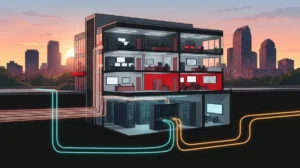
Fiber optic cabling uses light pulses instead of electrical signals, delivering faster speeds and better reliability than copper wiring—essential for Tampa businesses handling video conferencing, cloud storage, and heavy data loads.
-
Choose single-mode fiber for long-distance runs between buildings (up to miles) and multimode for shorter indoor distances (up to 2,000 feet); many Tampa businesses use both types together for optimal cost and performance.
-
Typical fiber installation costs range from $150-$350 per indoor drop to $5,000-$20,000+ for underground outside plant installations; always get free estimates from BICSI-certified contractors before committing.
-
Structured cabling with hierarchical design—cables running from a central backbone to individual workstations—makes it easier to add equipment later without rewiring and supports VoIP and security cameras on the same network.
-
Require FLUKE fiber testing and documented results before project completion; verify contractors follow BICSI standards and understand Tampa Bay’s local permitting requirements for Hillsborough, Pinellas, Pasco, and Manatee counties.
-
Multi-location franchise operators benefit most from working with one experienced local partner who designs standardized cabling layouts across all sites, ensuring consistent performance and centralized management without juggling separate vendors.
If you’ve ever waited forever for a file to upload or watched a video call freeze during an important meeting, you already know why fiber optic cabling matters. Tampa businesses are growing fast, and old copper wiring just can’t keep up anymore. Whether you run a small office in Ybor City or manage a multi-location franchise across Hillsborough County, fiber optic cabling gives your team the speed and reliability they need to work without frustration.
In this guide, we’ll walk you through everything you need to know about fiber optic cabling in Tampa. We’ll cover what it is, why it matters, how much it costs, and how to pick the right contractor for your project. Grab a cup of coffee, and let’s get into it together.

What Is Fiber Optic Cabling and Why Tampa Businesses Need It
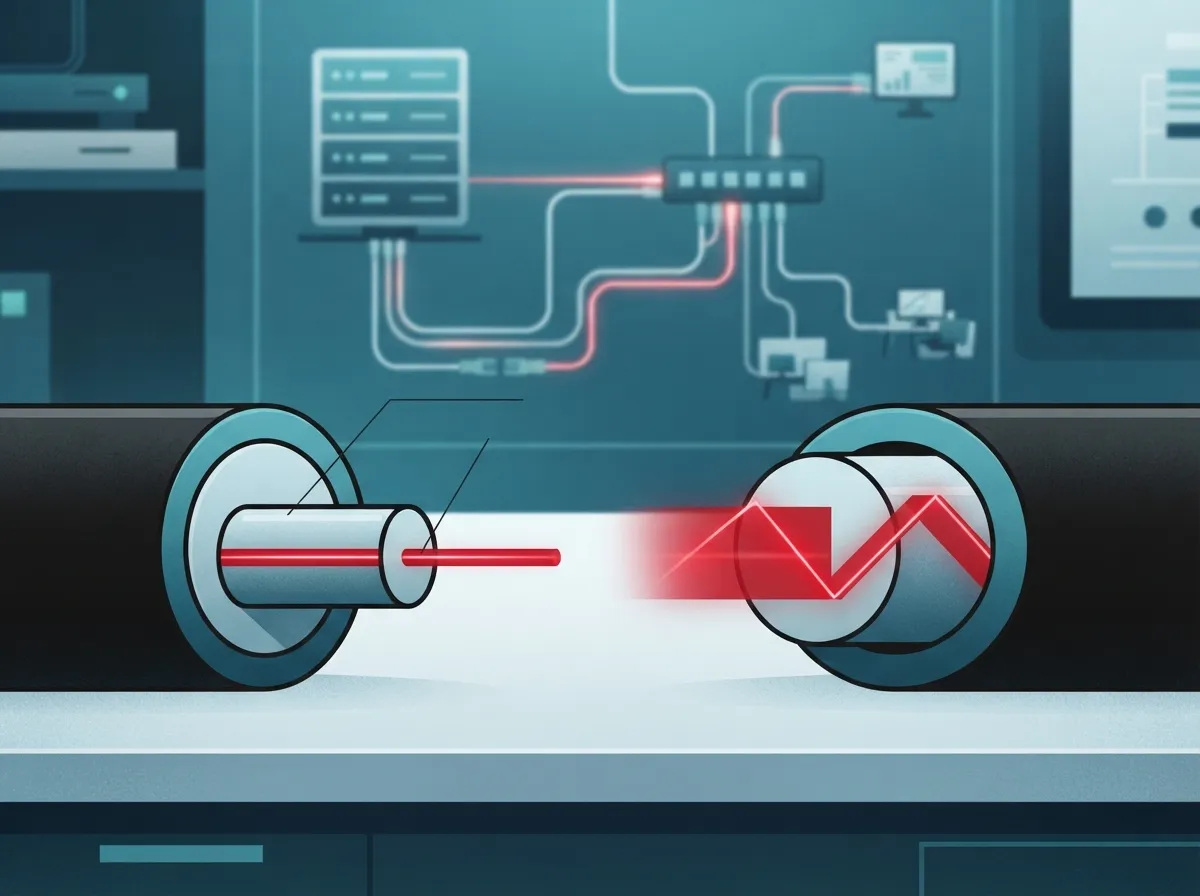
Fiber optic cabling uses thin glass or plastic strands to send data as pulses of light. This is very different from old copper cables, which send data as electrical signals. Light travels much faster than electricity through copper, so fiber gives you faster speeds and fewer errors.
Tampa’s business scene is booming. From healthcare offices in Westchase to manufacturing plants near the Port of Tampa, companies need networks that can handle heavy data loads. Fiber optic cabling supports video conferencing, cloud storage, and cloud-based phone systems without slowing down.
Local providers serve the entire Tampa Bay metro area, including Hillsborough, Pinellas, Pasco, and Manatee counties. That means whether your office sits downtown or out near Wesley Chapel, certified technicians can reach you and get the job done right.
Key Benefits of Fiber Over Copper
Let’s break down why fiber wins over traditional copper wiring for most business needs today.
- Faster data transfer speeds, often reaching gigabit levels or higher
- Better reliability with less signal loss over long distances
- Stronger security since fiber is harder to tap into than copper
- Resistance to electrical interference from nearby equipment
- Support for future growth as your business adds more devices and users
- Lower long-term maintenance costs compared to aging copper systems
Single-Mode vs Multimode Fiber: Which One Fits Your Business
This is one of the most common questions we hear from business owners. The answer depends on your distance needs and budget. Let’s compare them side by side.
| Feature | Single-Mode Fiber | Multimode Fiber |
|---|---|---|
| Core Size | Smaller, single light path | Larger, multiple light paths |
| Best Distance | Long distances (miles) | Shorter distances (up to 2,000 feet) |
| Typical Use Case | Between buildings, campuses, outdoor runs | Inside a single building or floor |
| Cost | Higher equipment cost, but efficient long-term | Lower initial cost for short runs |
| Common Connectors | SC, LC | ST, SC, LC, MTRJ |
Many Tampa businesses actually use both types together. Single-mode connects buildings across a campus, while multimode handles the shorter runs inside each office. A good contractor will assess your layout and recommend the right mix.
How Tampa Providers Handle Outside Plant (OSP) Installation
If your business has multiple buildings, you’ll need what’s called Outside Plant, or OSP, fiber installation. This connects separate structures so all your locations act as one network. Tampa contractors offer a few different methods depending on your site conditions.
Common OSP Installation Methods
- Underground burial, where cables are placed directly in trenches dug into the ground
- Conduit installation, where cables run through protective pipes underground
- Aerial installation, where cables are strung between poles above ground
- Tunneled installation, used when cables must pass under roads or existing structures
Each method has pros and cons. Underground burial protects cables from weather and accidents but costs more upfront. Aerial installation is faster and cheaper but can be exposed to storms, which matters a lot here in hurricane-prone Florida. A local expert will walk your property and recommend the safest, most cost-effective option for your situation.
Structured Cabling Design: Why Hierarchy Matters
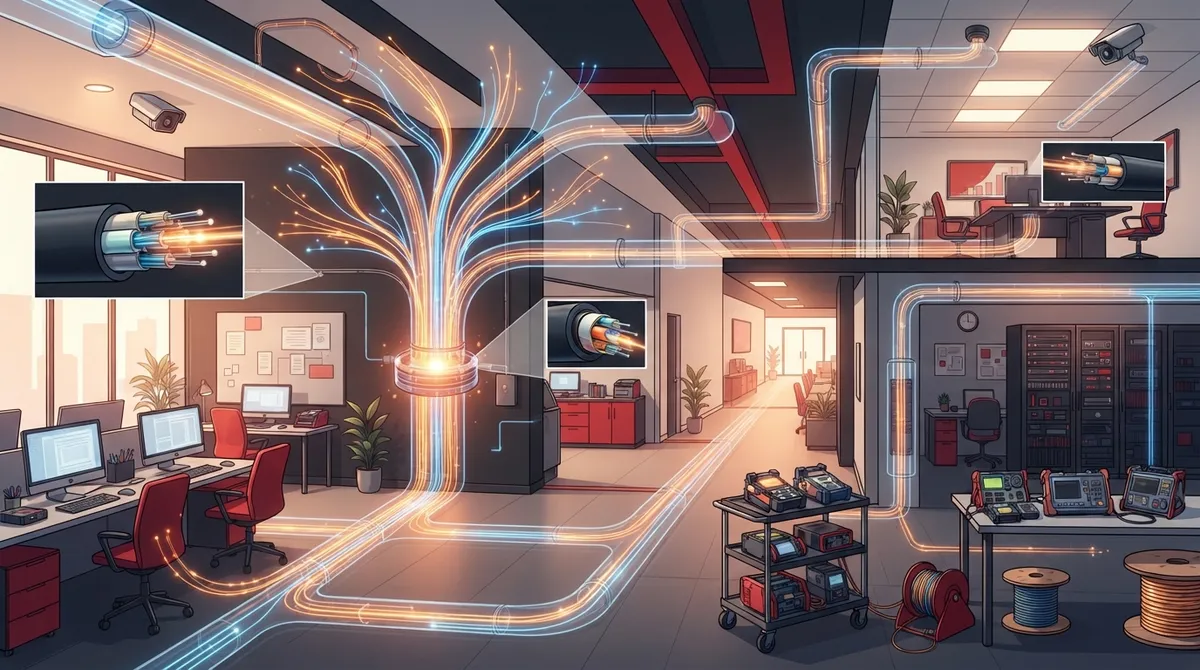
Good structured cabling doesn’t just connect point A to point B. Tampa providers design networks using a hierarchical layout instead. This means cables run through organized pathways, from a central hub down to individual workstations.
Think of it like a tree. The trunk is your main network backbone, and the branches reach out to every desk, camera, and phone in your building. This design makes it much easier to add new equipment later without ripping out old wiring.
This approach also supports VoIP phones and security cameras running on the same network without conflicts. If you’re planning a new office buildout, it’s worth reading up on how to plan network cabling installation in Tampa Bay before construction even begins.
Testing and Certification: How Tampa Contractors Ensure Quality
Anyone can pull cable through a wall. The real skill comes in testing and certifying that everything works perfectly. Here’s what reputable Tampa fiber contractors do before they consider a job finished.
- Perform FLUKE fiber testing to check signal strength and identify weak points
- Use fusion splicing to join fiber strands with minimal signal loss
- Conduct fiber characterization to measure bandwidth capacity
- Test all connector types, including ST, SC, LC, and MTRJ, for proper fit
- Document results so you have proof of network performance
Ask any contractor you’re considering whether they follow BICSI standards. BICSI is the leading organization that trains and certifies cabling professionals across the country. A BICSI-certified team understands proper design, installation, and testing procedures that keep your network compliant and reliable.
How Much Does Fiber Optic Cabling Cost in Tampa
Pricing varies quite a bit based on distance, building type, and installation method. Still, here’s a general breakdown to help you budget.
| Project Type | Typical Cost Range | Factors Affecting Price |
|---|---|---|
| Indoor multimode run (per drop) | $150 – $350 | Distance, wall type, accessibility |
| Single-mode backbone (per foot) | $3 – $8 | Conduit vs direct burial, terrain |
| OSP underground installation | $5,000 – $20,000+ | Distance between buildings, permitting |
| Fusion splicing (per splice) | $50 – $150 | Number of strands, access difficulty |
| Full structured cabling project | $10,000 – $100,000+ | Building size, number of drops, testing |
Many providers offer free estimates, so don’t hesitate to get a few quotes before committing. It’s also smart to ask about ongoing support, since fiber networks need occasional maintenance just like anything else.
Step-by-Step: How to Plan Your Fiber Cabling Project
Ready to get started? Here’s a simple roadmap that works well for most Tampa businesses, whether you’re a small shop or a growing enterprise.
- Assess your current network and identify pain points like slow speeds or dropped connections
- Determine how many locations or buildings need to be connected
- Decide between single-mode, multimode, or a combination of both
- Choose between underground, aerial, or conduit installation for outdoor runs
- Get quotes from BICSI-certified contractors familiar with Hillsborough County permitting
- Schedule installation during a time that minimizes disruption to daily operations
- Require FLUKE testing and documentation before signing off on the project
- Set up a maintenance plan for ongoing support and future expansions
This process usually takes anywhere from a few days for a small office to several weeks for larger campus installations. Weather, permitting, and building access can all affect your timeline, so build in some buffer time when planning.
Supporting Multi-Location and Franchise Networks
If you operate a franchise or manage multiple offices across Tampa Bay, fiber cabling becomes even more important. You need consistent performance across every site, not just your main location.
Good contractors design networks that scale easily as you open new locations. This includes standardized cabling layouts, centralized management, and support for cloud-based tools that sync across all your sites. This matters a lot for businesses relying on scalable access control systems or reliable network solutions for multi-location businesses.
Working with one experienced partner instead of juggling separate vendors for each location saves time and headaches. That’s exactly the kind of single point of contact approach that companies like Ideal Solutions Provider bring to the table, helping franchise operators manage everything from cabling to phone systems under one roof.
Common Mistakes to Avoid During Installation
We’ve seen a lot of projects over the years, and certain mistakes keep popping up. Here’s what to watch out for.
- Skipping proper testing and documentation after installation
- Choosing the cheapest contractor without checking certifications
- Failing to plan for future growth, leading to costly rewiring later
- Ignoring local permitting requirements for underground or aerial work
- Mixing incompatible connector types without proper adapters
- Not coordinating cabling with electrical and HVAC contractors during buildouts
Avoiding these pitfalls saves you money and headaches down the road. A little planning upfront goes a long way toward a smooth installation experience.
Why Local Expertise Matters in Tampa Bay
Tampa’s climate and building codes create unique challenges. Humidity, storms, and older buildings downtown all affect how cabling should be installed. Local contractors understand these quirks better than out-of-state companies.
They also know the permitting process for Hillsborough, Pinellas, Pasco, and Manatee counties, which can save you weeks of delays. Choosing a provider with real Tampa Bay experience means fewer surprises and faster project completion.
For businesses looking to combine fiber cabling with other telecom upgrades, it helps to work with a team that understands the full picture. You can learn more about fiber optic cabling services for commercial buildings in Tampa to see how this fits into a larger network strategy.
Bringing It All Together for Your Business
Fiber optic cabling isn’t just a nice upgrade anymore. It’s quickly becoming the standard for any Tampa business that wants to stay competitive. Faster speeds, better reliability, and support for growing technology needs make it a smart long-term investment.
Whether you’re setting up a brand-new office, expanding to multiple locations, or just tired of slow internet, fiber gives you the foundation to grow. Pair it with solid structured cabling services and you’ll have a network built to last for years.
We also recommend following industry updates through resources like the Internet Service Provider overview on Wikipedia to understand how broader internet infrastructure connects to your local setup.
Ready to Upgrade Your Network
You don’t have to figure this out alone. With over 24 years of experience and partnerships with 35 plus vetted suppliers, Ideal Solutions Provider helps Tampa businesses design, install, and maintain fiber optic cabling that actually fits their needs. From small offices to multi-location franchises, we handle the details so you can focus on running your business.
Follow along on Facebook, check out project photos on Instagram, or watch helpful videos on YouTube to see real examples of our work across Tampa Bay.
Ready to get started? Contact us today for a free consultation, or call us to speak with a friendly telecom expert who can walk you through your options.
FAQs
Q: What are the benefits of fiber optic cabling over copper for Tampa businesses?
A: Fiber gives you much faster speeds and handles more data without slowing down, which is huge for busy Tampa offices. It’s also more reliable in our humid climate and resists electrical interference better than old copper wiring ever could.
Q: How much does commercial fiber optic installation cost in Tampa, FL?
A: Costs vary widely depending on your project size, but indoor runs typically range from $150 to $350 per drop, while larger underground OSP projects can run $5,000 to $20,000 or more. We’re happy to provide a free estimate tailored to your specific building and needs.
Q: What is the difference between single-mode and multimode fiber for business networks?
A: Single-mode fiber works best for long distances, like connecting separate buildings on a campus. Multimode is great for shorter runs inside one building and usually costs less upfront, so many businesses actually use both together.
Q: Can Tampa fiber cabling companies support multi-location franchise networks?
A: Absolutely, and this is actually one of our favorite projects to work on. A good provider designs standardized cabling across all your sites so every location performs just as well as your main office.
Q: What testing standards are used for fiber optic networks in Tampa?
A: Most reputable local contractors use FLUKE fiber testing along with fusion splicing to check signal quality and catch any weak spots. Always ask for documented test results before you sign off on a completed project, since this protects you down the road.