Key Takeaways
-
Outdated or poorly installed network wiring causes dropped calls, internet lag, and lost productivity—upgrading to Cat6 or fiber optic cabling delivers immediate performance improvements for Tampa businesses.
-
Cat6 cabling is the cost-effective sweet spot for most Tampa commercial offices, offering 10 Gbps speeds and room for growth, while fiber optic is worth considering for high-bandwidth or enterprise environments.
-
Professional network wiring installation includes site survey, cable installation, termination, testing, labeling, and documentation—not just running cables, ensuring your system meets industry standards from day one.
-
A single-source telecom partner handling cabling, VoIP phones, internet, security cameras, and access control eliminates vendor chaos and ensures all systems work together seamlessly.
-
Plan network projects with 20% extra capacity for growth, get itemized quotes before work begins, and budget $1,000–$3,500 for small offices up to $12,000+ for enterprise installations with proper documentation.
-
Maintain your network with annual cable audits, keep documentation updated, and work with contractors offering ongoing support to catch performance issues early and prevent costly outages.
Your business runs on communication. And communication runs on wiring. If your network wiring in Tampa is outdated, messy, or poorly installed, everything slows down — phones drop calls, internet lags, and productivity tanks. It’s frustrating, and it costs you money every single day.
The good news? Getting your network wiring right isn’t as complicated as it sounds. With the right partner and a clear plan, you can build a solid telecom foundation that supports your business for years to come. Whether you’re setting up a new office, expanding to a second location, or finally fixing that rats’ nest of cables behind the server rack, this guide is for you.
Let’s walk through everything Tampa businesses need to know about commercial network wiring — from cable types to what the installation process looks like, and how to choose the right contractor.
What Is Commercial Network Wiring?
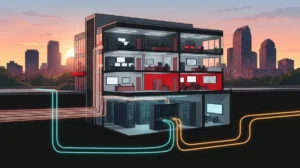
Commercial network wiring — also called structured cabling — is the physical infrastructure that connects your phones, computers, security cameras, and other devices to your network. Think of it as the nervous system of your office. Without it, nothing works the way it should.
Unlike a simple home Wi-Fi setup, business network wiring is designed to handle heavy traffic, multiple users, and mission-critical applications. It’s built to last, and it’s built to perform. If you want to learn more about why this matters for Tampa businesses specifically, check out this helpful guide on professional structured cabling services for Tampa businesses.
Structured cabling is truly the backbone of modern business communication — supporting your data, voice, and video systems all at once.
Common Cable Types Used in Tampa Business Networks
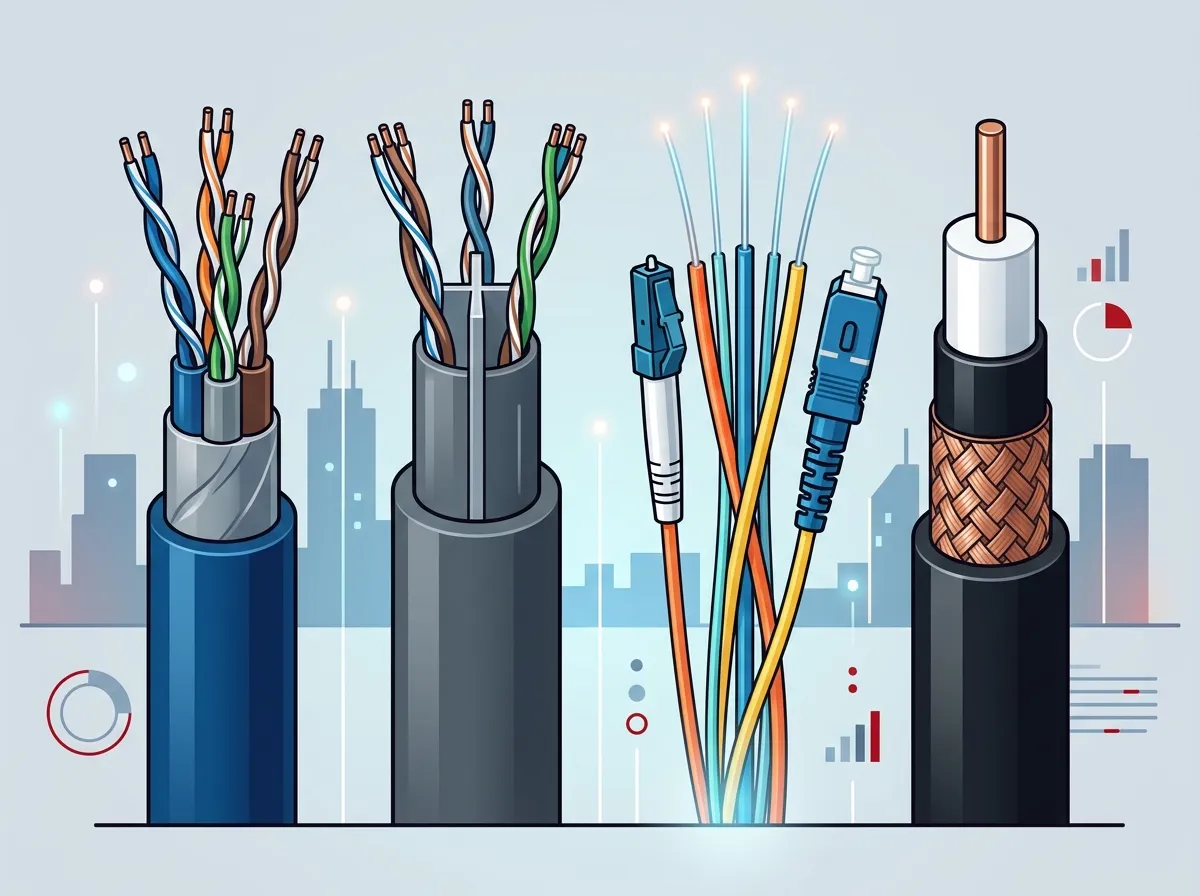
Not all cables are created equal. The type of cabling you choose affects your network’s speed, reliability, and future-readiness. Here’s a quick breakdown of the most common options used in Tampa commercial installations:
| Cable Type | Max Speed | Best For | Common Use |
|---|---|---|---|
| Cat5e | 1 Gbps | Small offices, basic setups | Voice and data networks |
| Cat6 | 10 Gbps (short runs) | Most commercial environments | High-speed office networks |
| Cat6a | 10 Gbps (longer runs) | Data centers, large offices | Enterprise-grade networks |
| Fiber Optic | 100 Gbps+ | High-bandwidth, long distances | Backbone connections, ISP links |
| Coax / HDMI / AV | Varies | Video and multimedia | Conference rooms, displays |
For most Tampa businesses, Cat6 is the sweet spot — great performance, reasonable cost, and plenty of room to grow. Want to dig deeper into the differences? This article on CAT5e vs. CAT6 cabling for Tampa businesses breaks it all down clearly.
If you’re running a high-performance environment or planning for future bandwidth needs, fiber optic is well worth considering. Learn more in this guide on fiber optic cabling services for commercial buildings in Tampa.
What Does a Network Wiring Installation Include?
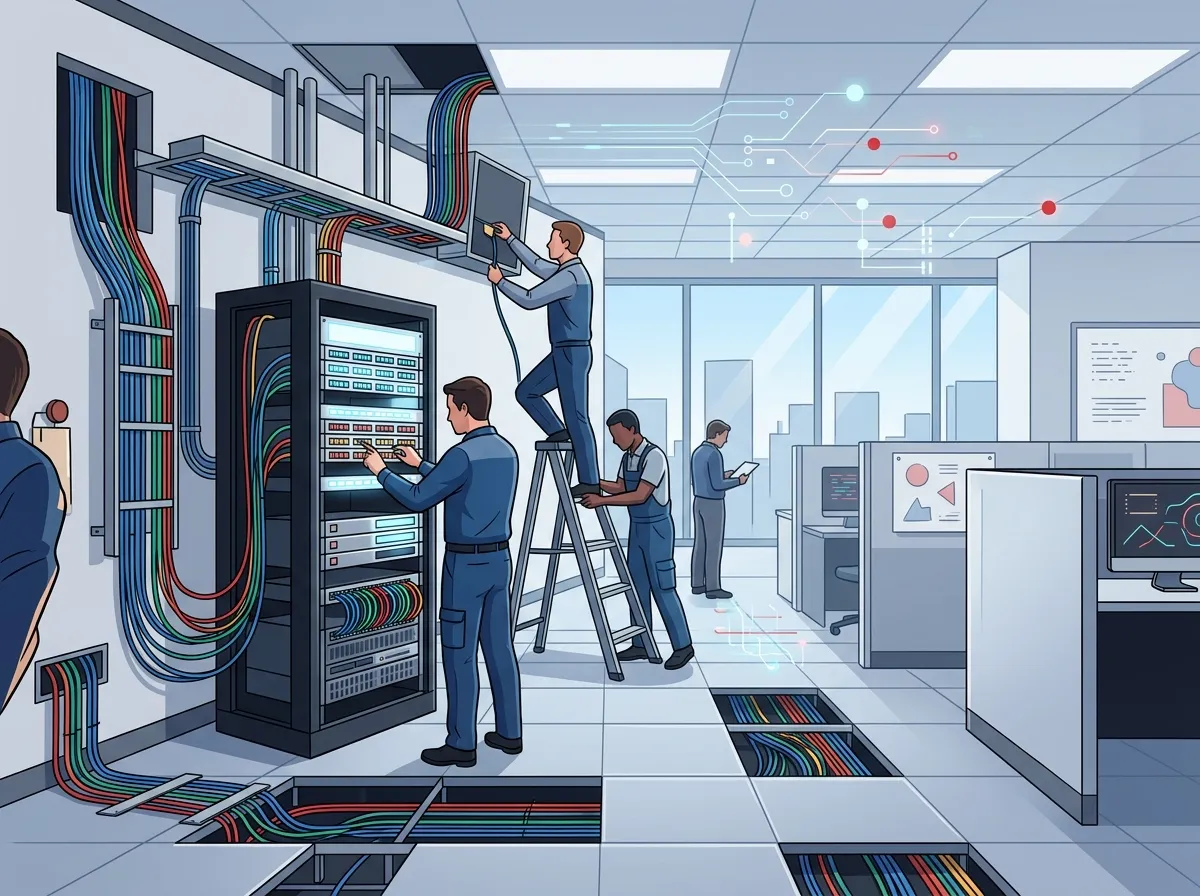
A professional network wiring job is much more than just running cables through walls. A complete commercial installation covers several important steps to make sure everything works perfectly from day one.
Here’s what a full-service network wiring project typically includes:
- Site Survey and Design — A technician visits your space, maps out cable routes, and designs the layout for maximum efficiency and performance.
- Cable Installation — Physical cables are run through walls, ceilings, conduits, and cable trays to every outlet and device location.
- Termination — Each cable is connected to wall plates, patch panels, and network switches with precision.
- Testing — Every cable run is tested for signal quality, continuity, and performance to make sure it meets industry standards.
- Labeling and Documentation — Every port and cable is clearly labeled, and a full map of your cabling infrastructure is provided for future reference.
- Cleanup and Final Inspection — The work area is cleaned up, and a final walkthrough confirms everything is neat, organized, and working properly.
Curious about how long this process takes? Check out how long structured cabling installation takes for a commercial building in Tampa for a realistic timeline.
Who Needs Commercial Network Wiring in Tampa?
Short answer: most businesses. But let’s be more specific. Here are the types of Tampa businesses that benefit most from a professional network wiring upgrade or installation:
- Small businesses opening a new office or moving to a new space
- Growing companies that are adding workstations, phones, or security cameras
- Retail stores that need reliable POS systems and inventory management networks
- Industrial facilities requiring rugged cabling solutions across large floor areas
- Franchise operators setting up consistent telecom infrastructure across multiple Tampa Bay locations
- IT managers dealing with slow networks or outdated wiring that can’t keep up
If you’re not sure whether your current setup is holding you back, this article on 9 signs your Tampa business needs structured cabling is a great place to start.
How Network Wiring Supports Your Whole Telecom System
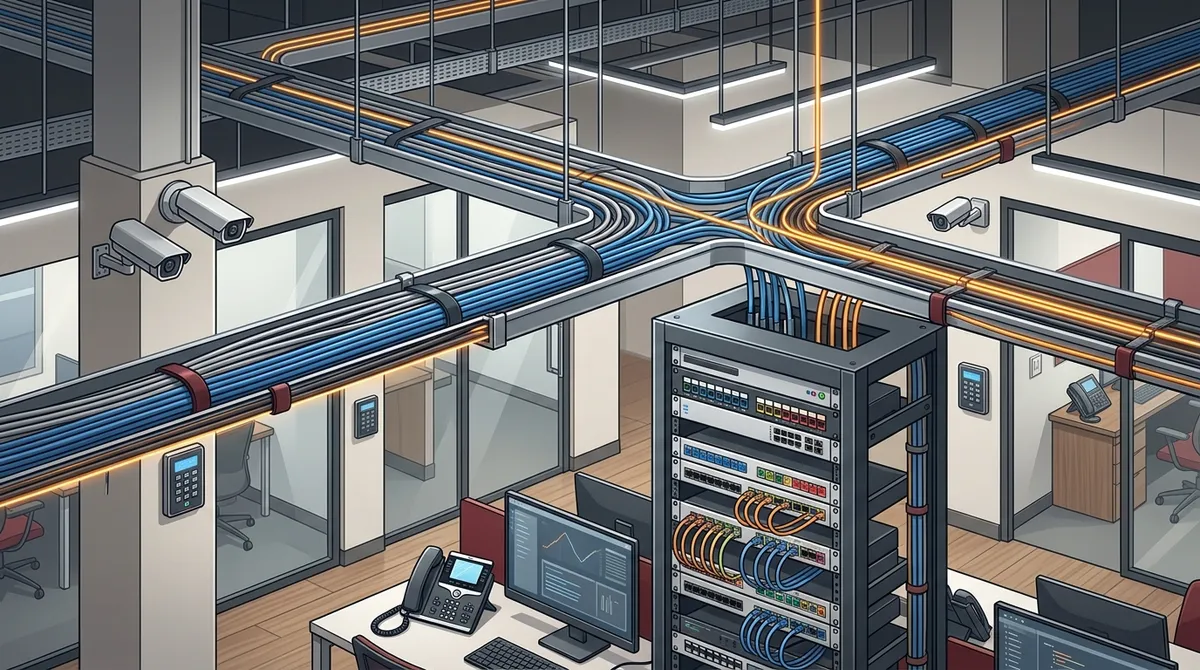
Here’s something many business owners don’t realize: your network wiring isn’t just for internet access. It supports your entire telecom ecosystem. That includes your VoIP phone system, your security cameras, your access control systems, and more.
Good cabling means better call quality on your phones, faster video uploads from your cameras, and more reliable access control at your doors. It all connects. Literally.
| Business System | How It Relies on Network Wiring |
|---|---|
| VoIP Phone System | Requires stable Ethernet connections for clear calls |
| High-Speed Internet | Wired connections are faster and more reliable than Wi-Fi |
| Cloud Security Cameras | Need PoE (Power over Ethernet) cabling to function |
| Cloud Access Control | Requires network connectivity at each access point |
| Conference Room AV | Depends on HDMI and network cabling for displays and calls |
This is exactly why a one-stop telecom partner makes so much sense. You want someone who understands how all these systems work together — not a separate vendor for each piece. Learn more about how structured cabling supports VoIP phones and security cameras in Tampa.
Planning Your Network Wiring Project: 5 Key Steps
A little planning goes a long way when it comes to commercial network wiring. Rushing into an installation without a solid plan can mean costly rework down the road.
- Assess your current setup — Know what you have before you plan what you need. An audit can reveal outdated cables, performance bottlenecks, or wiring that doesn’t meet current standards.
- Map your space and needs — Count workstations, phones, cameras, printers, and any other networked devices. Plan for at least 20% more capacity than you need today.
- Choose the right cable type — Based on your speed requirements, budget, and building layout, select the appropriate cable category or fiber solution.
- Hire a certified contractor — Look for technicians with real commercial experience, proper certifications, and a track record of clean, documented installations in the Tampa area.
- Plan for the future — Think about where your business will be in five years. Will you add more staff? New locations? New technology? Build in room to grow.
For a more detailed walkthrough, this guide on how to plan network cabling installation in Tampa Bay is super helpful.
How to Choose the Right Network Wiring Contractor in Tampa
Not all cabling contractors are equal. The Tampa market has plenty of options, but quality varies a lot. Here’s what to look for when choosing someone to wire your business:
- Commercial experience — Residential wiring is very different from commercial. Make sure your contractor has real office, retail, or industrial experience.
- Certifications — Look for certified technicians with credentials that demonstrate training and quality standards.
- Full-service capability — The best contractors handle everything from design to testing to documentation, not just running cables.
- Clear documentation — You should receive labeled cables, port maps, and test results when the job is done.
- Ongoing support — A great contractor will be there after installation if you need changes, additions, or troubleshooting.
This article on how to find a reliable structured cabling contractor in Tampa gives you even more tips for making the right choice.
And if you’re weighing whether to hire a pro or tackle it yourself, this comparison of DIY vs. professional cabling for Tampa offices will help you decide.
What Does Network Wiring Cost in Tampa?
This is one of the most common questions we hear. The honest answer is: it depends. Project cost is influenced by your building size, cable type, number of drops, and the complexity of the installation. Here’s a general overview to set expectations:
| Project Size | Estimated Cable Drops | Typical Cost Range | Notes |
|---|---|---|---|
| Small Office (1–10 users) | 10–25 drops | $1,000 – $3,500 | Basic Cat6, single room |
| Medium Office (10–50 users) | 25–100 drops | $3,500 – $12,000 | Multi-room, may include fiber backbone |
| Large Office / Facility | 100+ drops | $12,000+ | Enterprise cabling, full documentation |
| Fiber Optic Installation | Varies | Add 20–40% to copper costs | Backbone or full fiber to desk |
Always get a detailed quote before work begins. A good contractor will give you an itemized breakdown — not a vague estimate. And remember, skimping on cabling now often means paying more to fix it later.
Why a Single Telecom Partner Makes Sense
Managing your network wiring, internet service, phone system, and security cameras through separate vendors is a headache. You’re juggling multiple contacts, multiple invoices, and multiple timelines. When something breaks, nobody wants to own the problem.
That’s where a single-source telecom partner changes everything. A company like Ideal Solutions Provider handles all of it — structured cabling, VoIP phones, high-speed internet, cloud security cameras, and access control systems — all under one roof. With over 24 years of experience serving Tampa businesses and partnerships with 35+ vetted suppliers, they give you expert guidance without the vendor chaos.
You can also follow along with their team’s latest tips and updates on Facebook and Instagram to stay informed about telecom best practices for your business.
To get the most from your telecom investment, it also helps to understand what’s connected to your network. Read more about the benefits of using one telecom partner in Tampa and see how much simpler things can get.
Maintain and Future-Proof Your Network Wiring
Once your cabling is installed, the work isn’t completely over. Regular maintenance keeps your network running smoothly and helps you catch problems before they become outages.
Here are some smart maintenance habits for Tampa businesses:
- Schedule annual cable audits to check for damage, loose connections, or performance issues
- Keep your cabling documentation updated whenever you add new drops or make changes
- Replace aging Cat5e cabling with Cat6 or fiber as your bandwidth needs grow
- Ensure your patch panels and cable trays stay organized and clearly labeled
- Work with a trusted telecom partner who offers ongoing support — not just a one-time install
Wondering if your network is already showing signs of strain? This article on 7 signs your Tampa business network needs an upgrade is a quick and helpful read. You can also watch expert tips and walkthroughs on the Ideal Solutions Provider YouTube channel.
Get Your Tampa Business Network Wiring Right
Your network wiring in Tampa is one of the most important investments you’ll make in your business infrastructure. Done right, it supports faster internet, clearer phone calls, better security, and smoother day-to-day operations. Done poorly, it causes headaches that never seem to go away.
The smartest move is to work with experienced professionals who understand both the technical side and the business side of commercial telecom. Whether you’re building out a new office, upgrading an existing space, or connecting multiple Tampa Bay locations, the right partner makes all the difference.
Ready to take the next step? Reach out to our team at Ideal Solutions Provider for a free consultation and let’s build the network your business deserves.
FAQs
Q: What is commercial network wiring for a business in Tampa?
A: Commercial network wiring — often called structured cabling — is the physical cable infrastructure that connects your computers, phones, security cameras, and other devices to your business network. It’s the foundation that makes everything in your office communicate smoothly and reliably. Think of it as the backbone of your entire telecom system!
Q: What types of cables are used in Tampa business network installations?
A: Most Tampa businesses use Cat6 Ethernet cabling for everyday office networks because it offers great speed and reliability at a reasonable cost. For higher bandwidth needs or longer cable runs, Cat6a or fiber optic cabling are excellent choices. Commercial projects may also include telephone, coax, HDMI, and AV cabling depending on your specific setup.
Q: How do I choose a network wiring contractor in Tampa?
A: Look for a contractor with real commercial experience — not just residential wiring background. You want certified technicians who handle everything from design to testing to documentation, and who offer ongoing support after the installation is complete. A contractor who also understands your broader telecom needs (phones, internet, security) is a huge bonus!
Q: Does my Tampa business need to upgrade from Cat5e to Cat6 cabling?
A: If your business has grown, added more users, or is experiencing slow network performance, it’s very likely time to consider an upgrade. Cat6 supports faster speeds and handles more traffic than Cat5e, making it a smart investment for most modern offices. A quick cabling audit can tell you exactly where you stand.
Q: Can network wiring support my VoIP phones and security cameras too?
A: Absolutely — and this is one of the best things about a well-planned structured cabling system! Your VoIP phones need solid Ethernet connections for clear calls, and your cloud security cameras often run on Power over Ethernet (PoE) cabling. Good network wiring supports all of these systems together, making your whole telecom setup more reliable.